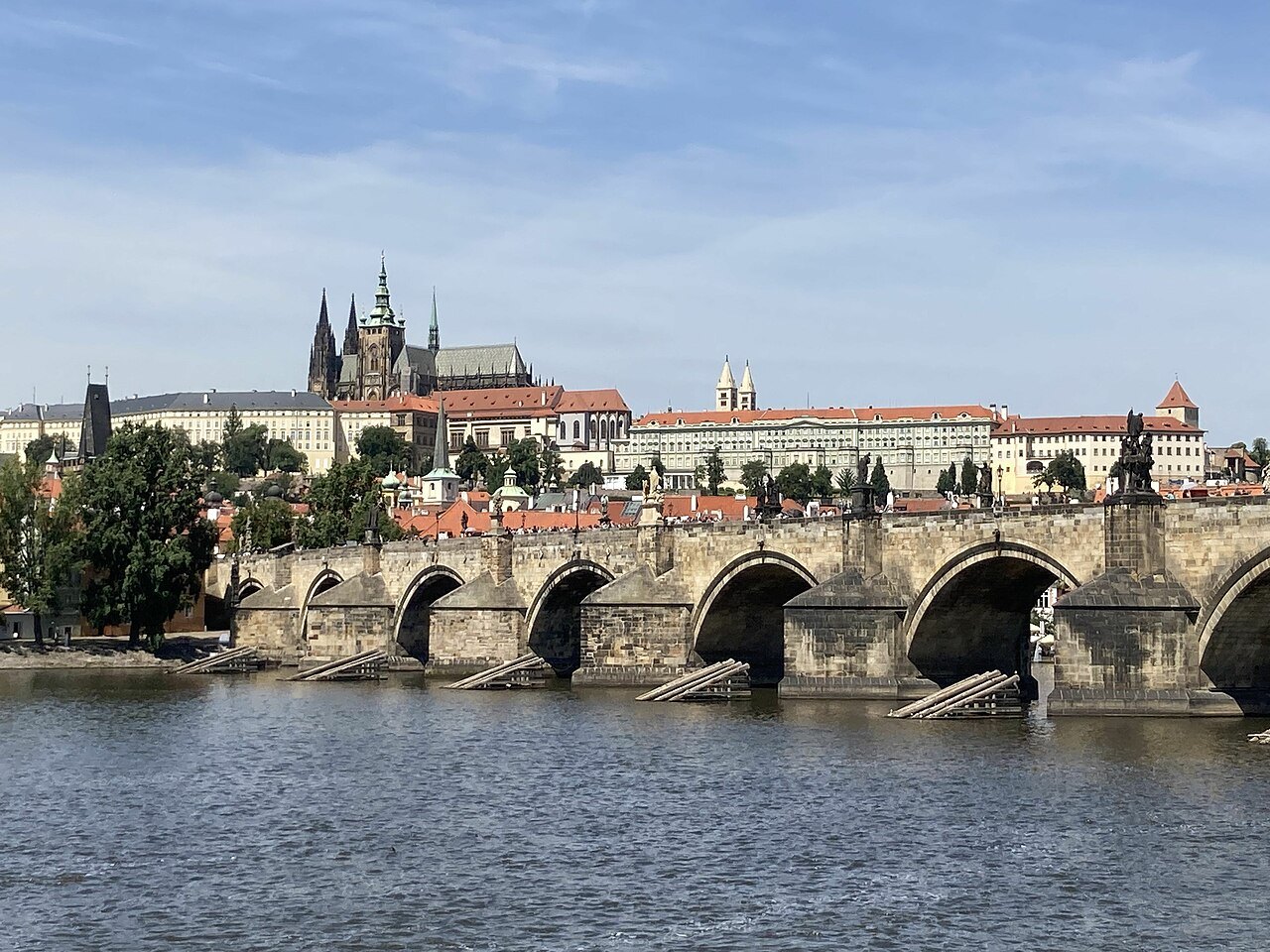
Prague is the most ambitious of the day trips from Dresden, and the one visitors ask about most. The two cities are joined by a direct railway that follows the Elbe south-east through its sandstone gorge and across the border, and the fastest trains take about two and a quarter hours to Prague's main station.
That makes a day there possible. It also makes it a long day, and whether it is a good one depends almost entirely on which trains you choose and how much of Prague you try to see.
The train, and why the choice matters
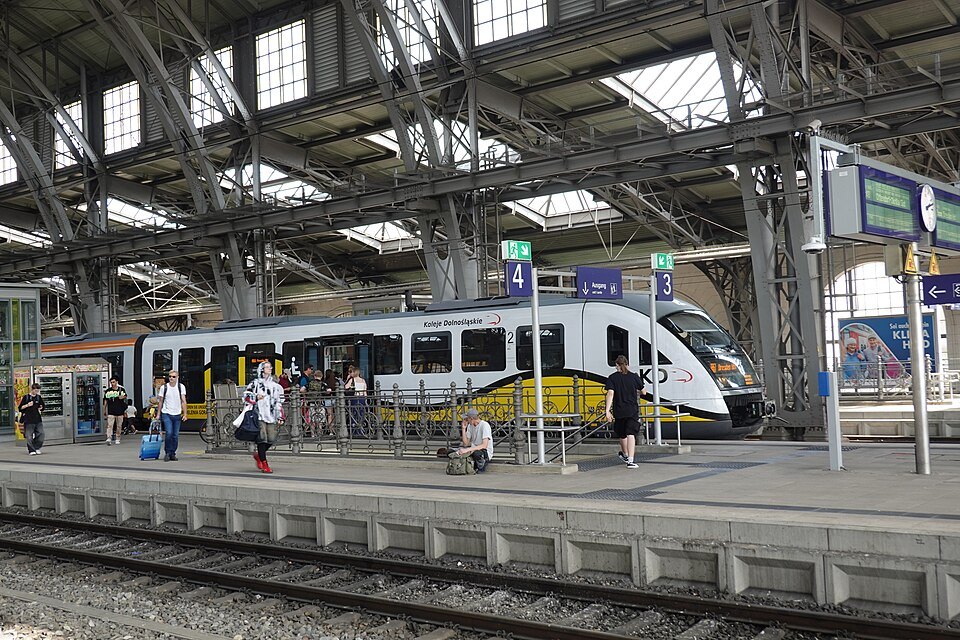
The direct trains between Dresden and Prague are the international services that run on between Berlin and Prague, operated with modern Czech Railways trains. They leave from the Dresden Hauptbahnhof roughly every two hours through the day.
Note Not every train goes to the same Prague station. In Prague they call first at Praha-Holešovice, in the north of the city, and many continue to Praha hlavní nádraží, the main station, which is much closer to the Old Town. Some services end their run without reaching the main station. For a day trip, choose a train that goes all the way to hlavní nádraží, and check the same thing for your train back.
If you are staying in the Neustadt, remember that the Prague trains leave from the Hauptbahnhof on the Altstadt side; see which Dresden station to use.
Sit on the river side
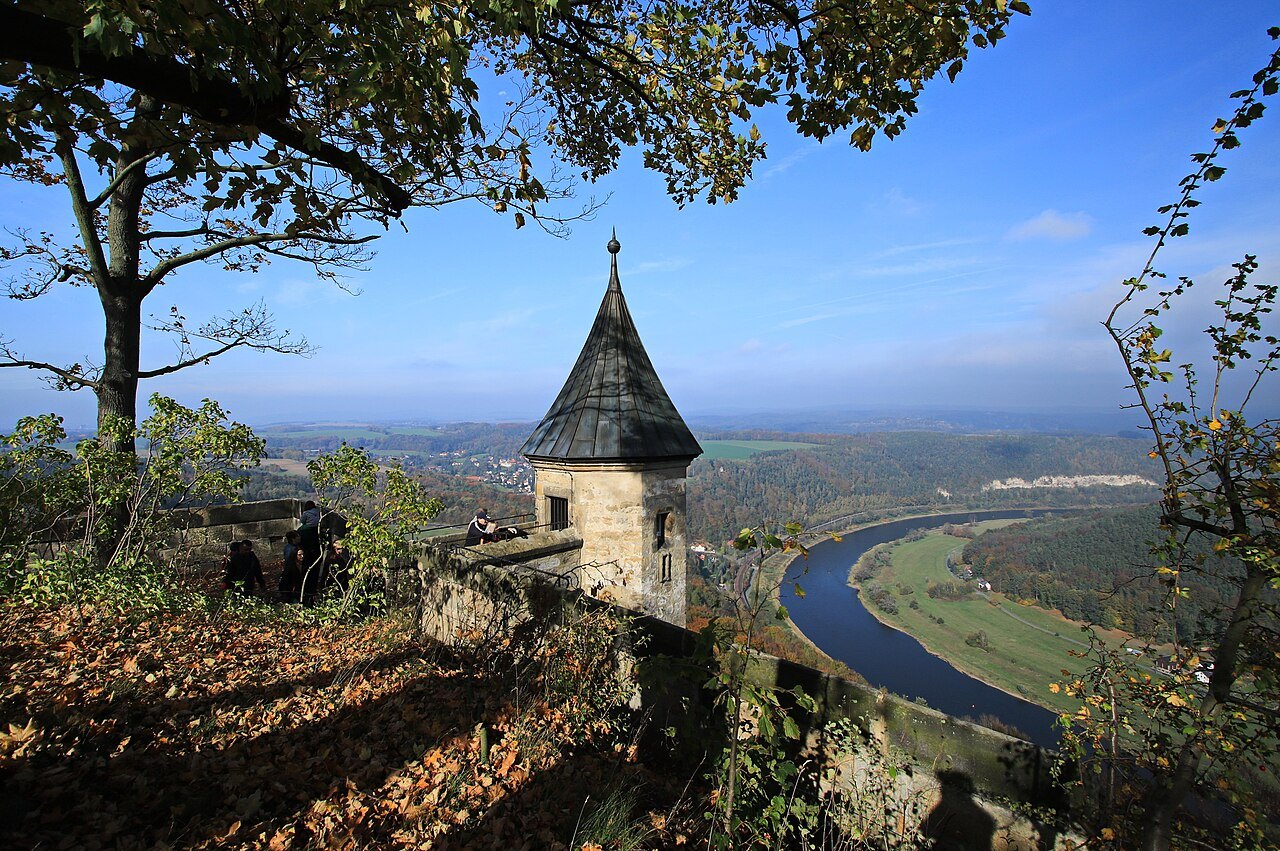
For much of the way out of Dresden the line runs beside the Elbe, which the Czechs call the Labe. Past Pirna the valley narrows into the Elbe Sandstone Mountains, with cliffs and rock towers above the water, before the train crosses into the Czech Republic.
Sit on the side of the train facing the river for the first part of the journey. It is one of the best rail journeys in this part of Europe, and on a day trip it is part of the day rather than time lost. On the way back in the evening, the same stretch is worth watching again as the light goes.
Note Seat reservations are normally optional on these trains but can be compulsory in the busiest summer weeks. Check when you book, and reserve for the return in any case — the evening trains back fill up.
Planning the hours
With about two and a quarter hours each way, the travel takes four and a half hours of the day before you have seen anything. That leaves room for one part of Prague done properly, not for the whole city.
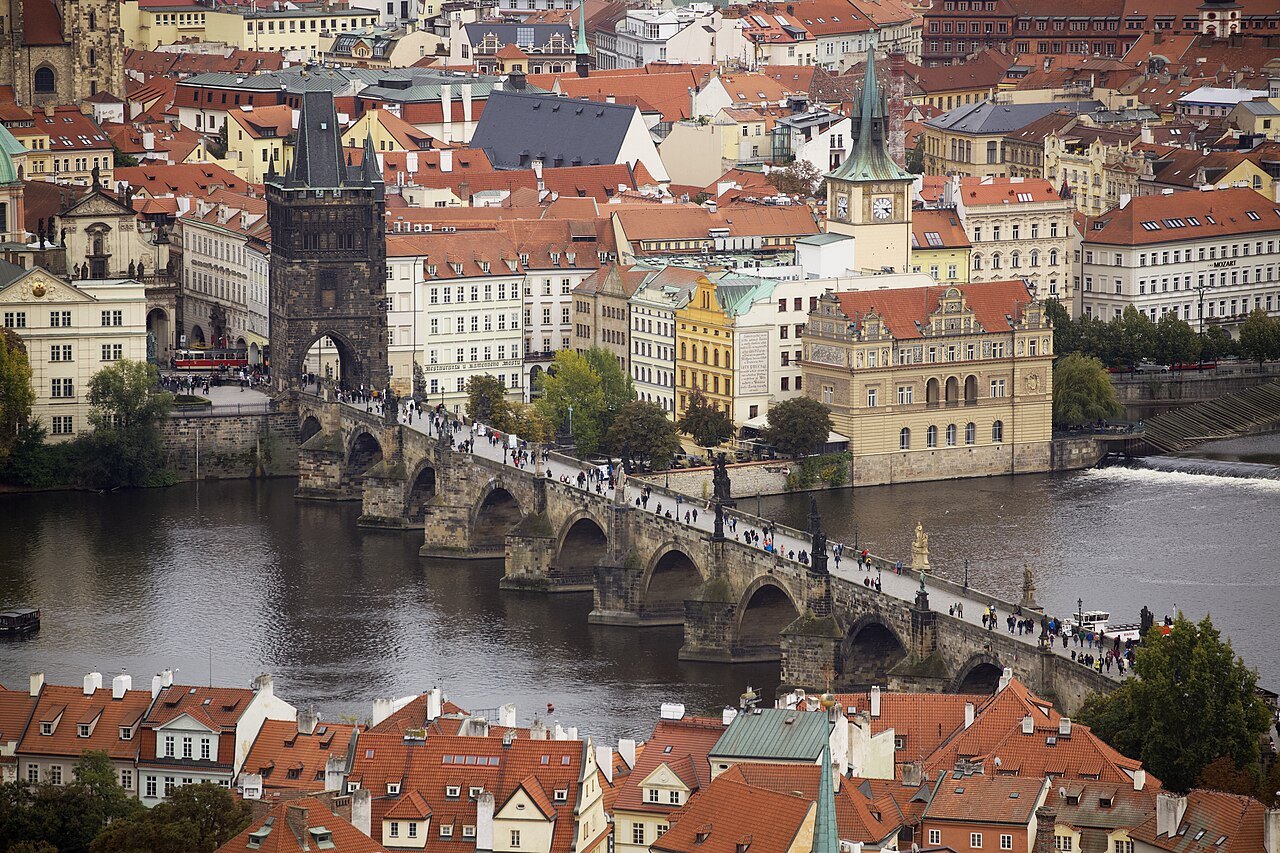
- The classic walk: from the main station into the Old Town, across the Charles Bridge to the Lesser Town, and up to the castle — then back down.
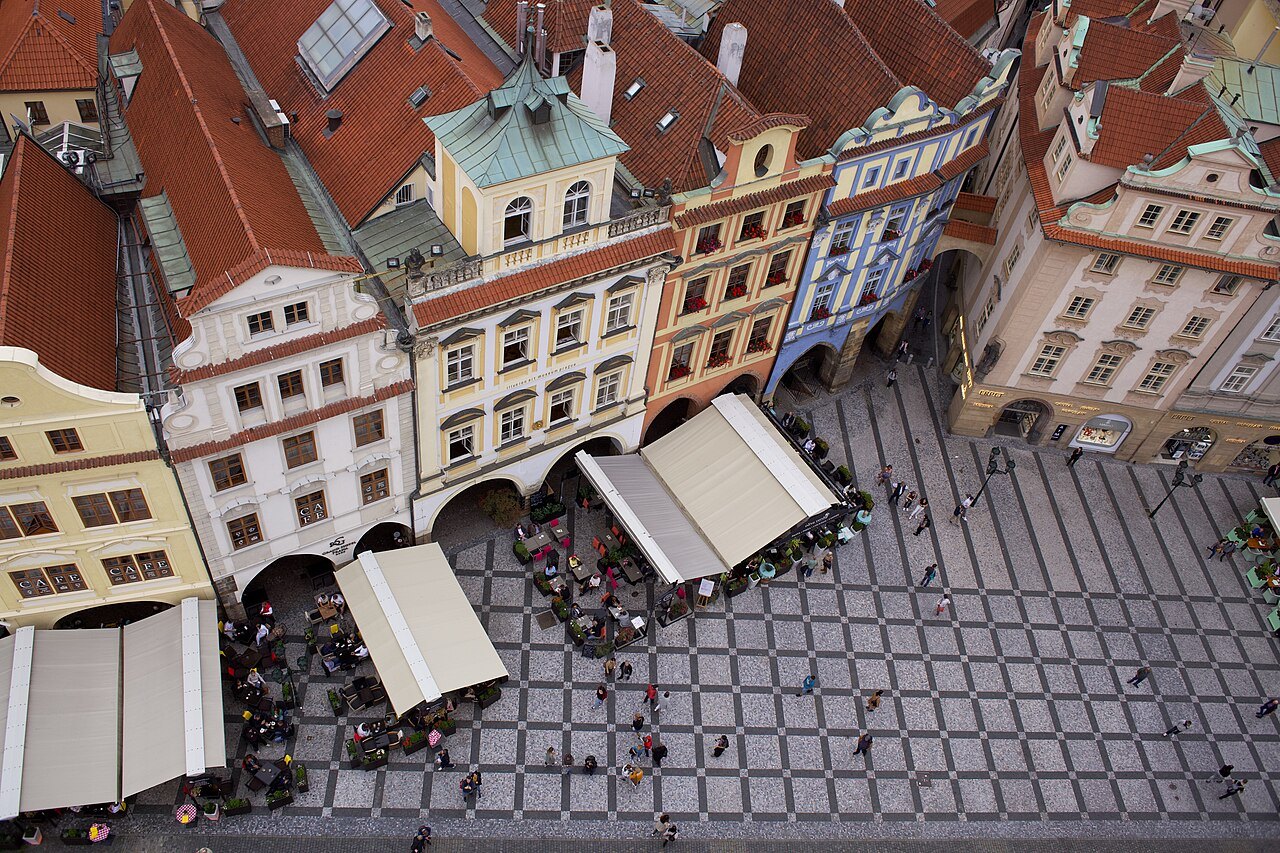
- The Old Town only: the Old Town Square and its streets, the river, and an unhurried lunch, which is less tiring and often more enjoyable.
Note Choose one. Trying to add museums, the castle interiors and a second district to a day that already has a train journey on each end is how a day trip turns into a race for the last train.
Practical things across the border
Germany and the Czech Republic are both in the Schengen area, so there is normally no passport control on the train, but carry your passport or national ID card.
Note The Czech Republic does not use the euro. Its currency is the koruna. Card payment is widely accepted, but where you pay in cash, pay in koruna, and if a card terminal offers to charge you in your home currency, decline and pay in koruna.
Your German mobile data plan may not include the Czech Republic. Check before you go, because you will want maps and your return ticket on the phone.
Before you leave Dresden
- Book both trains, and check that each one runs to or from Praha hlavní nádraží.
- Reserve seats if you are travelling in summer.
- Carry your passport or ID card, and a card that works abroad.
- Check whether your mobile data covers the Czech Republic.
- Leave large bags at your Dresden hotel — nothing about this day needs luggage.
If you want the gorge without the capital, the same valley offers a shorter trip: the S-Bahn follows the Elbe upstream from Dresden into Saxon Switzerland, to Kurort Rathen for the Bastei rocks. It is an easy half day, and you see the landscape the Prague trains pass through at walking pace instead.
Should you stay overnight instead?
If Prague matters to you, the honest answer is yes. Prague rewards more than a day, and Dresden itself deserves the time you would spend on trains. A day trip suits visitors who want a first look, who have already seen Prague, or who have a long stay in Dresden.
If you do stay in Dresden, the nearer trips along the same valley are easier: Meißen downriver, and the rocks of the Bastei in Saxon Switzerland, both reached by S-Bahn.
Coming back
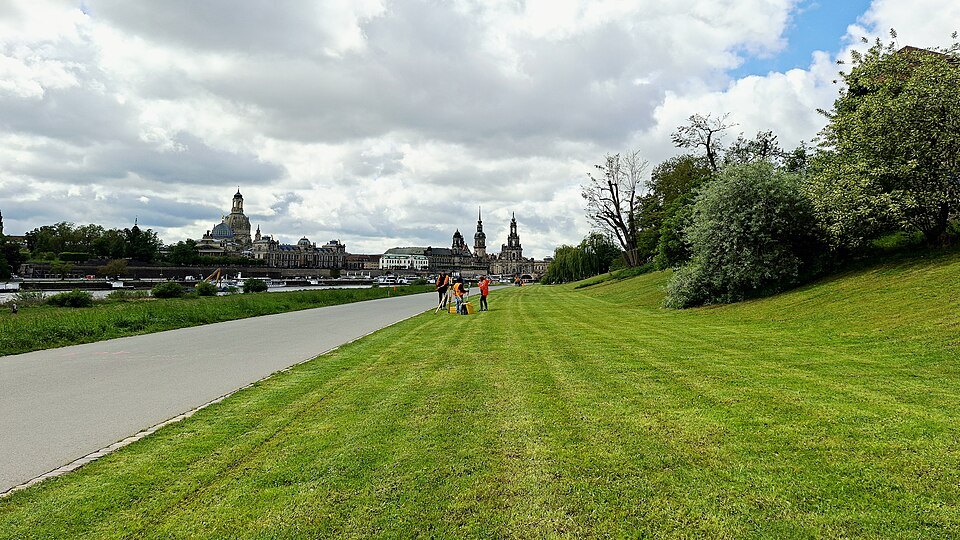
The trains back from Prague arrive at the Dresden Hauptbahnhof. If the evening is fine, walk north up Prager Straße through the Altstadt to the river, cross the Augustus Bridge and look back at the skyline from the Neustadt bank — the view Bellotto painted in the eighteenth century, and a good way to end a day in two capitals of the baroque. See where to stand for the Canaletto view.
 Which Dresden station to get off at, and what to do with your bags
 Where to stand for the Canaletto view of Dresden