Read the city
What Dresden is
Dresden is the capital of Saxony, in the east of Germany, a city of about 560,000 people on both banks of the Elbe. The Altstadt with its palaces and churches stands on the south bank; the Neustadt faces it on the north, and you choose between them when you pick where to stay. Two main stations, one on each bank, decide how you arrive, and trams and ferries do the rest of getting around.
What you walk past
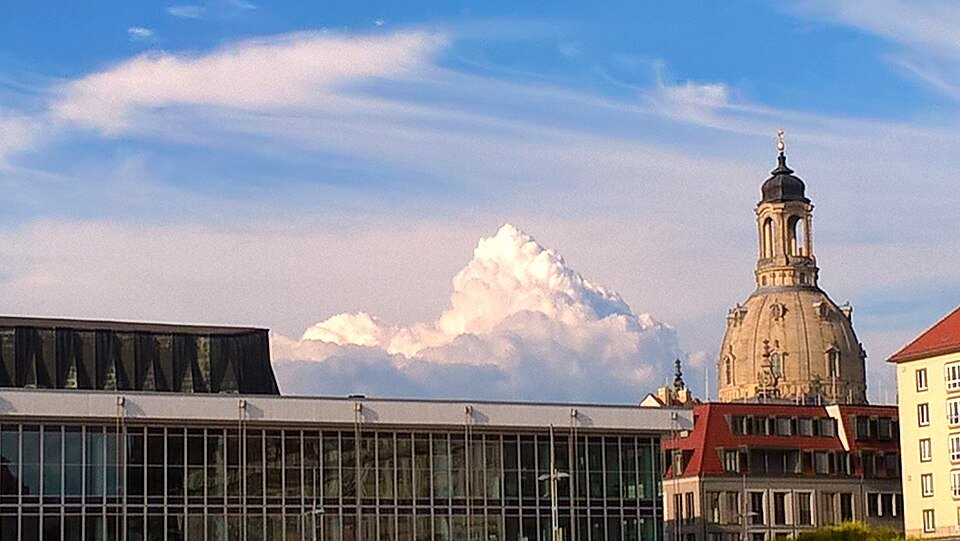
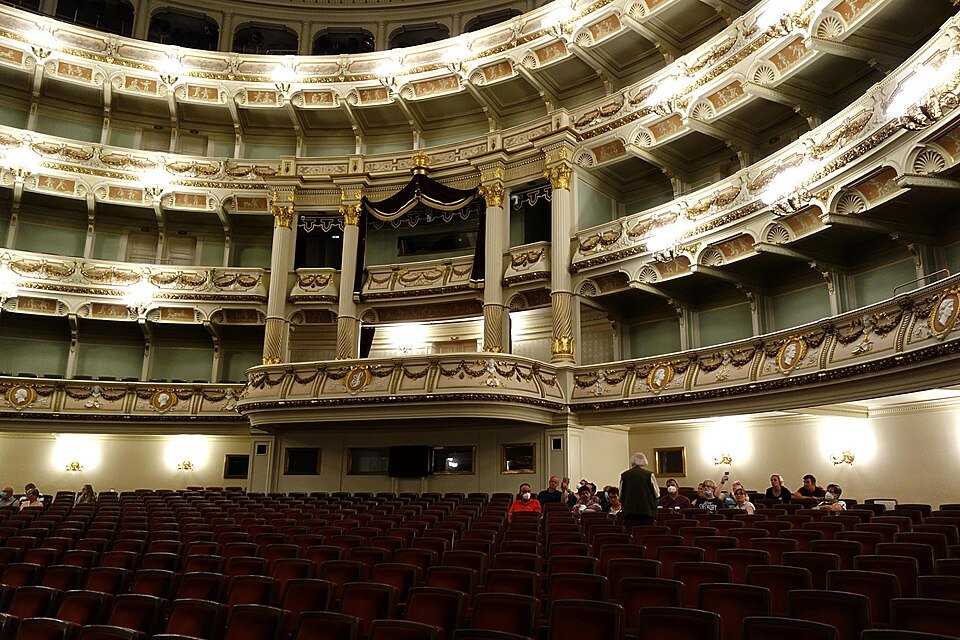
The town was first recorded in 1206 and became the seat of the Saxon rulers, whose court under Augustus the Strong built the baroque city — the Zwinger, the palace treasuries and the Frauenkirche. On the night of 13 February 1945 the center was destroyed. It was rebuilt over sixty years: the Semperoper reopened in 1985, the Frauenkirche was finished in 2005, and blackened old stones sit among pale new ones — see the rebuilt city.
What it is known for
For the Green Vault's treasure and the Old Masters; for the river view the painters called Florence on the Elbe, and the meadows that kept it on the UNESCO list from 2004 until a new bridge took it off in 2009; for the Striezelmarkt, first recorded in 1434, and the Christmas stollen it is named after. Plan by season, see what needs booking ahead, follow an itinerary, and take the train out for the day trips along the valley.
- Frauenkirche
- Zwinger
- Semperoper
- Residenzschloss
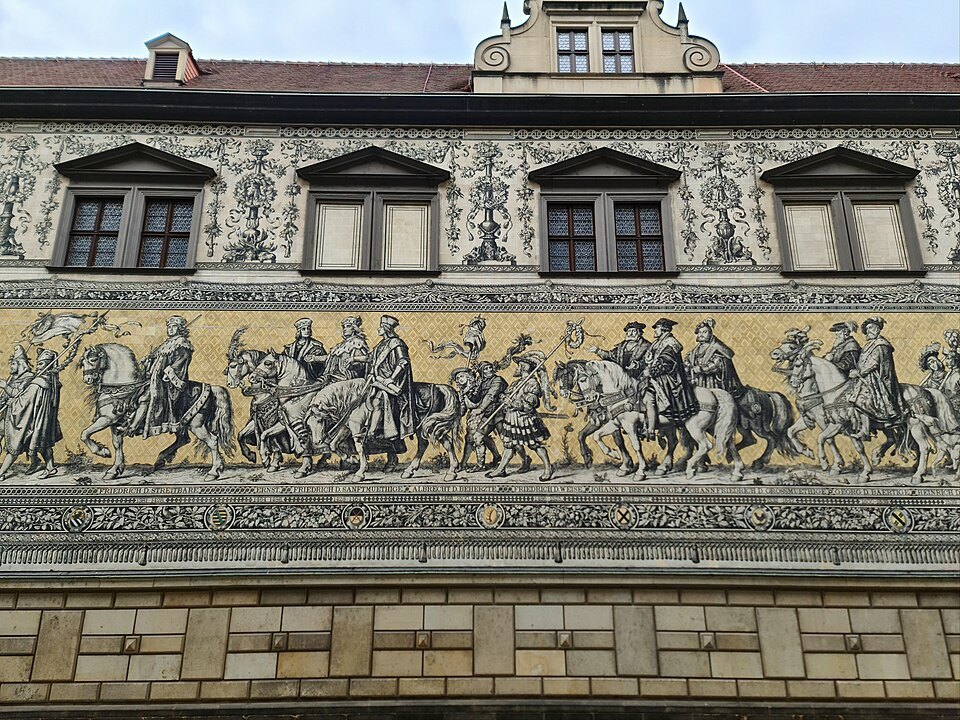
- Fürstenzug
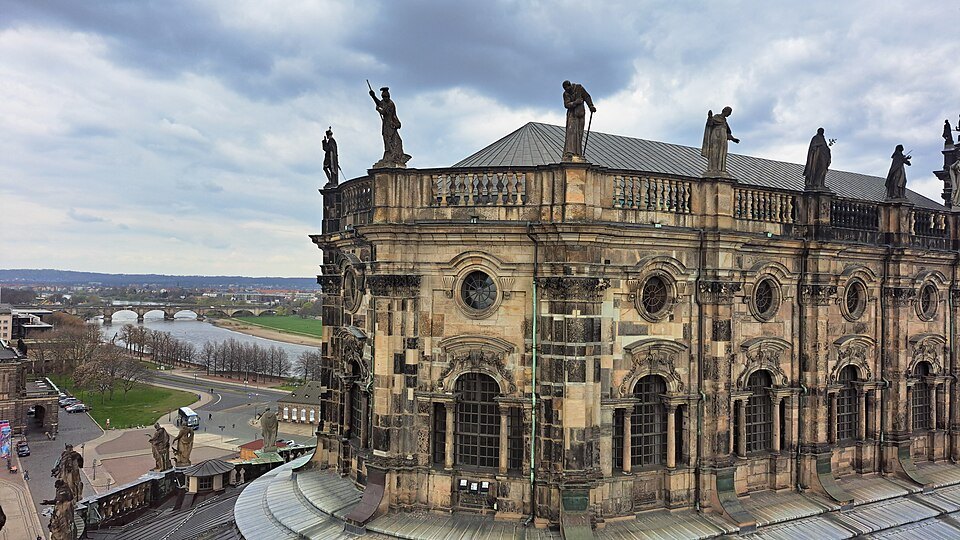
- Hofkirche
- Brühl's Terrace
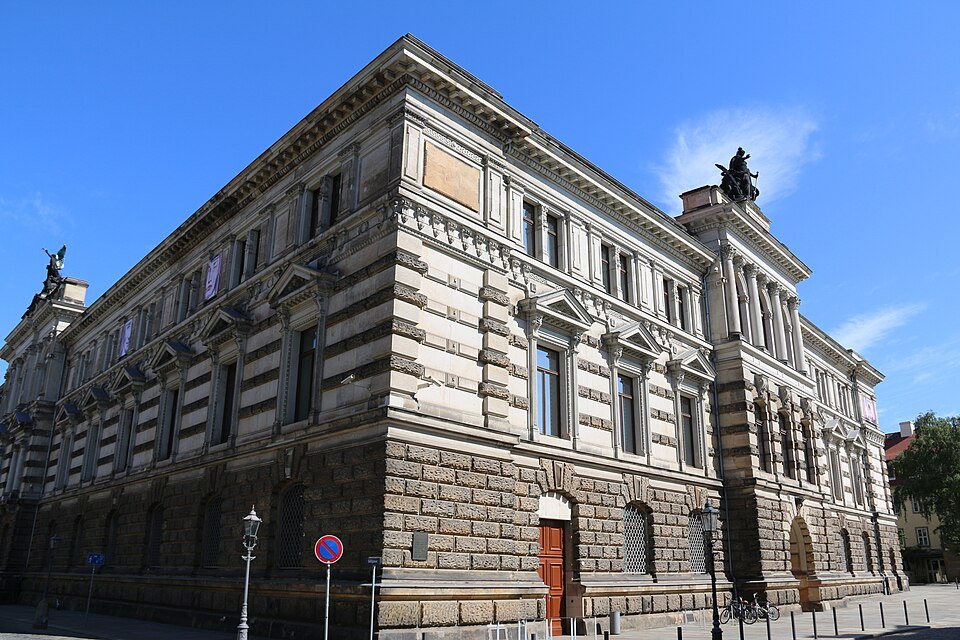
- Albertinum
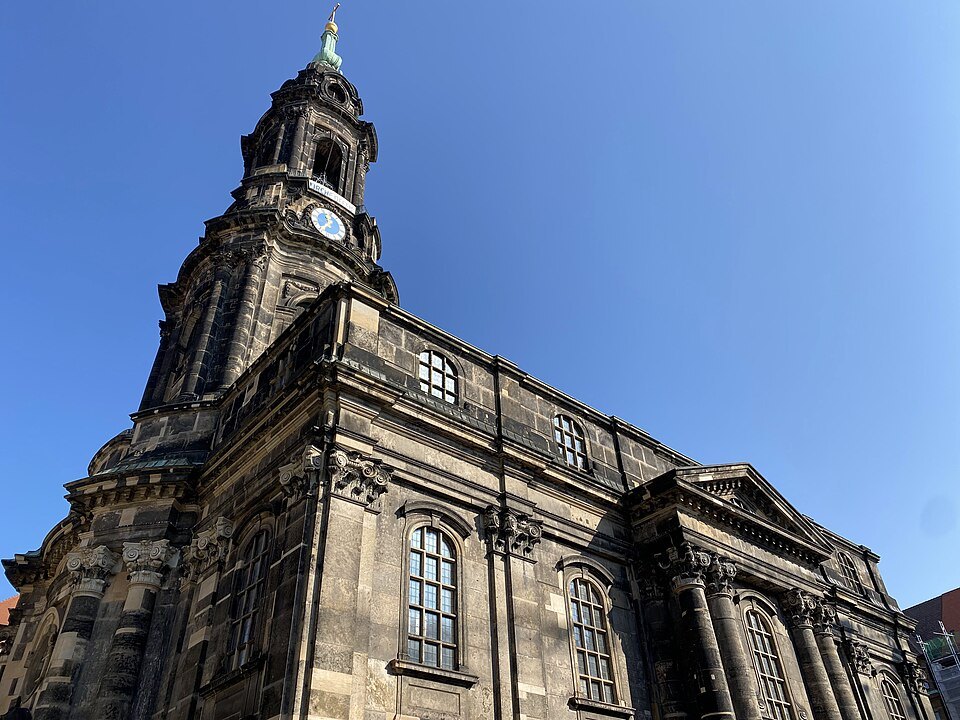
- Kreuzkirche
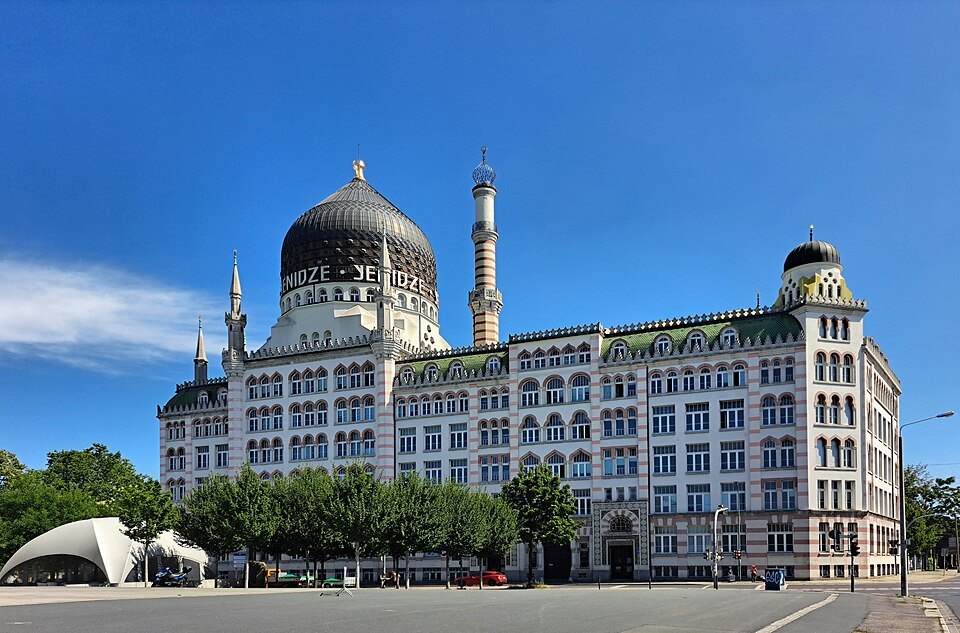
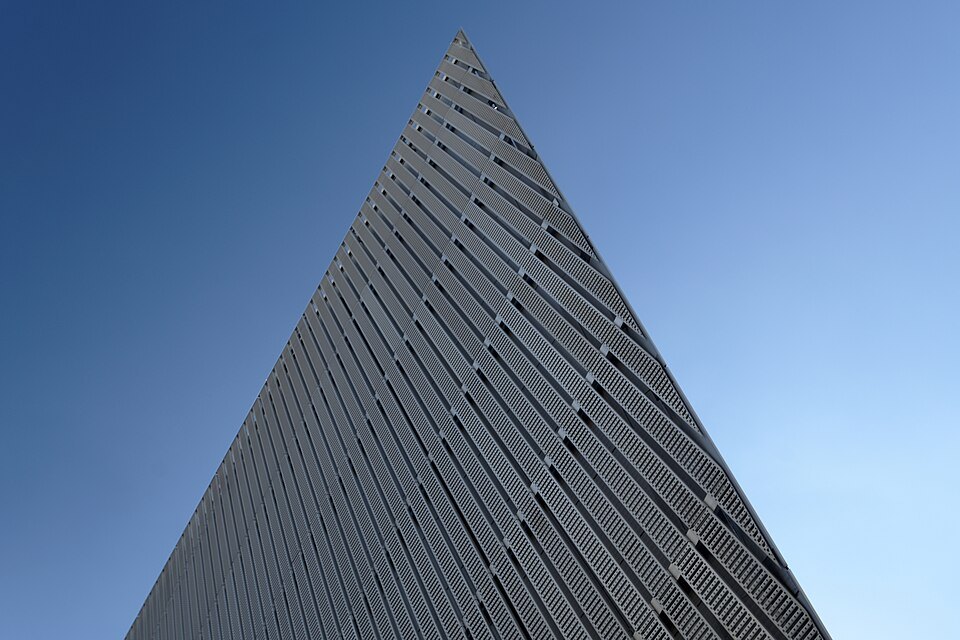
- Yenidze
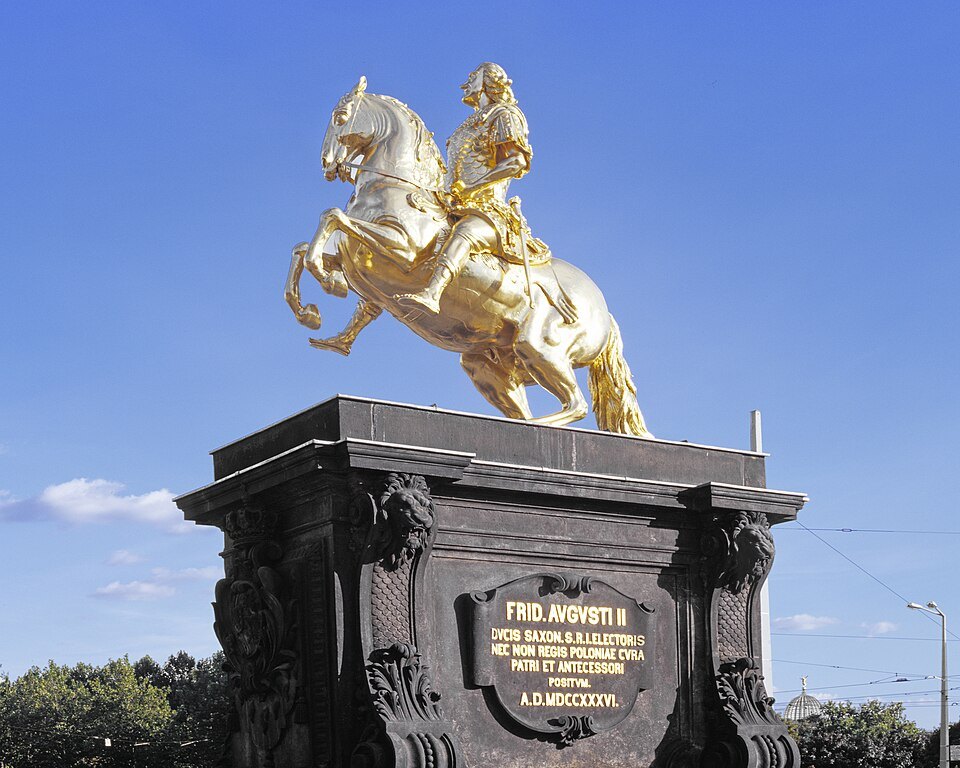
- Golden Rider
- Kunsthofpassage
- Military History Museum
- Blaues Wunder
- Großer Garten
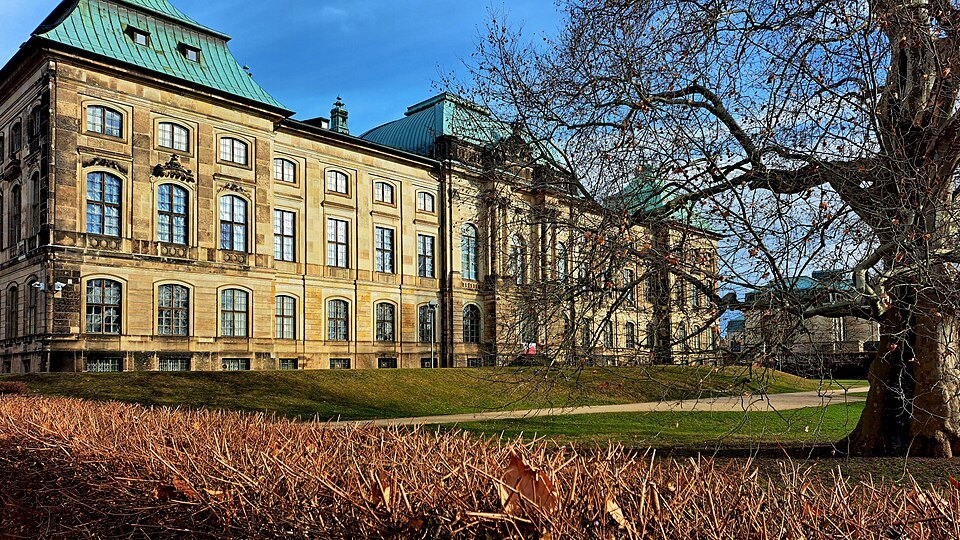
- Japanisches Palais
- Pfunds Molkerei
A walk through the city
From the river to the bridge upriver, in six stops.
From the river
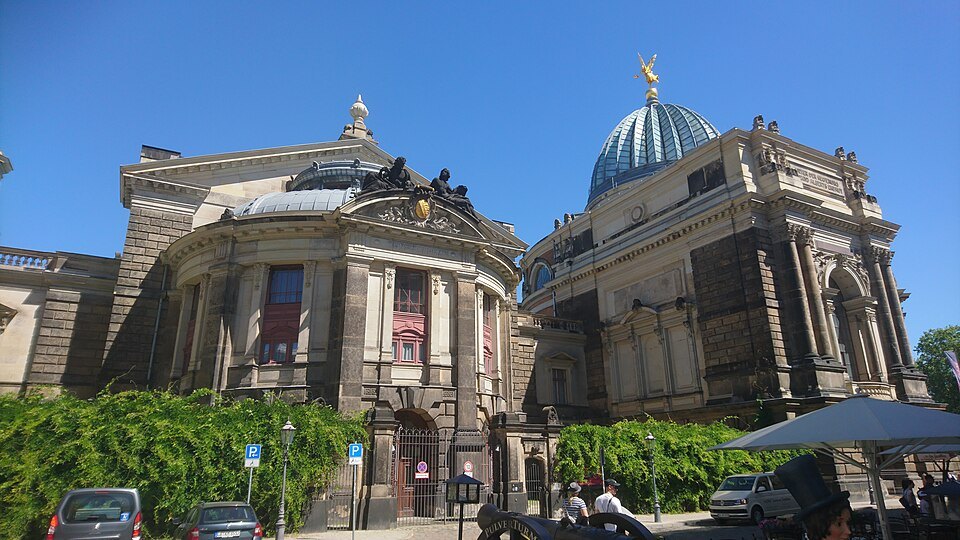
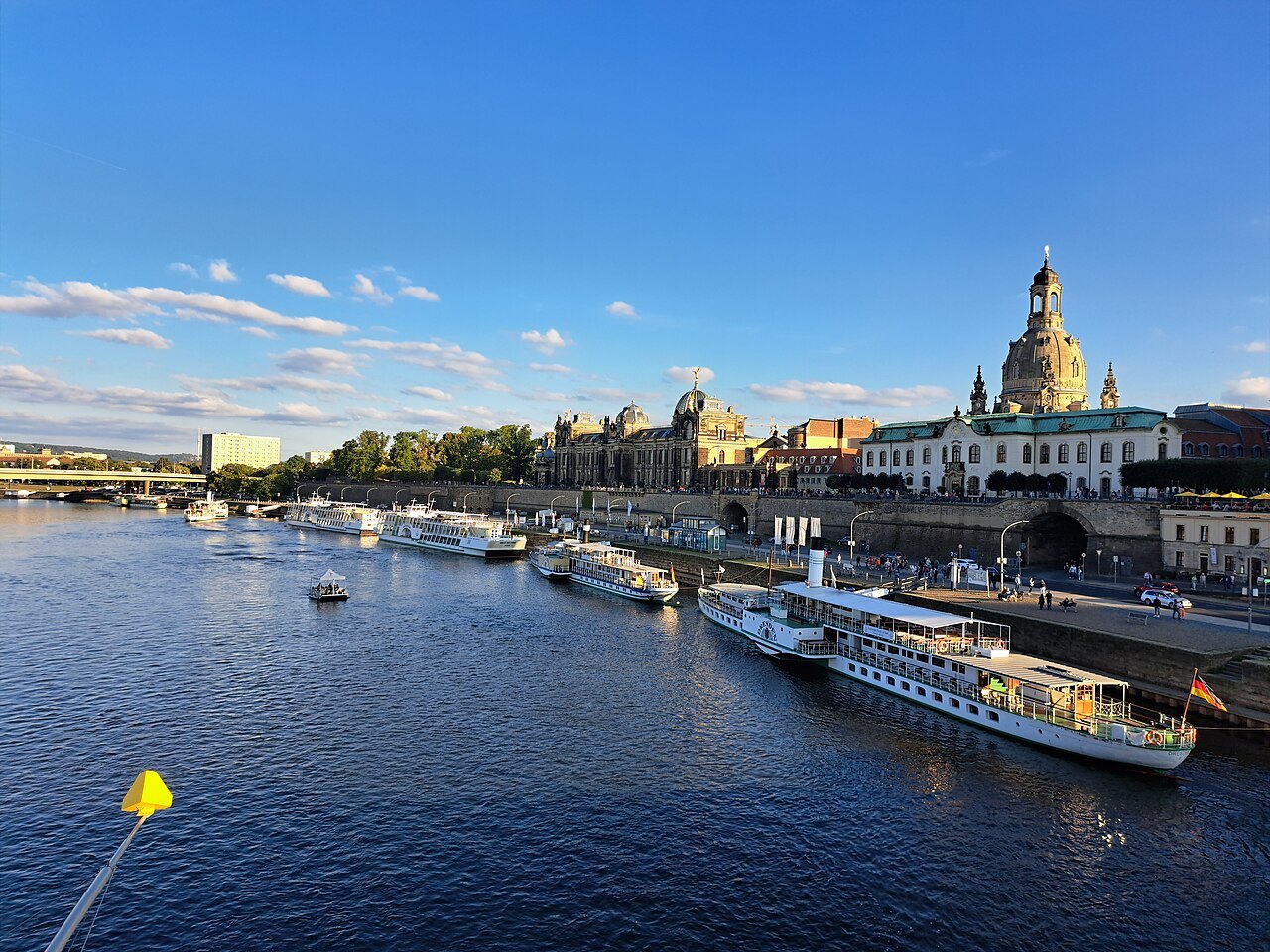
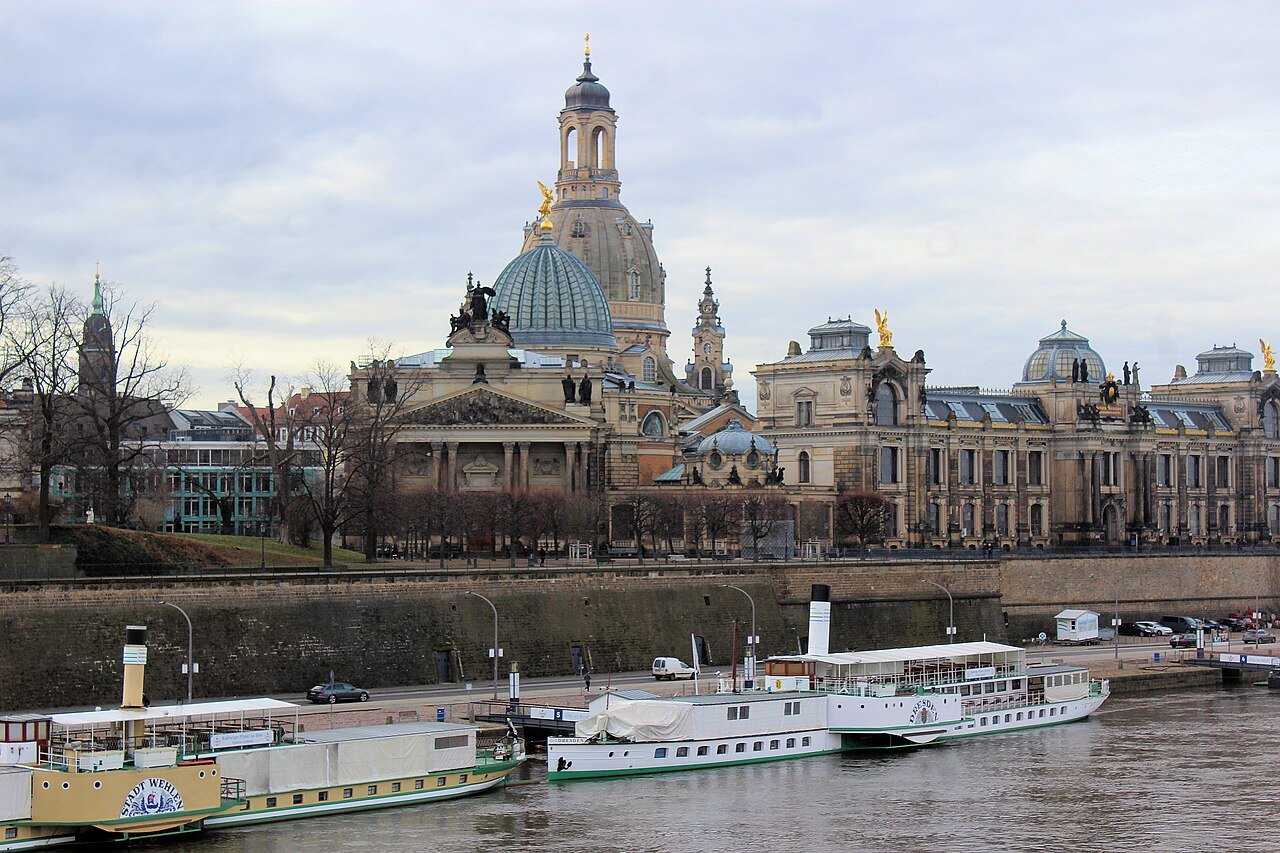
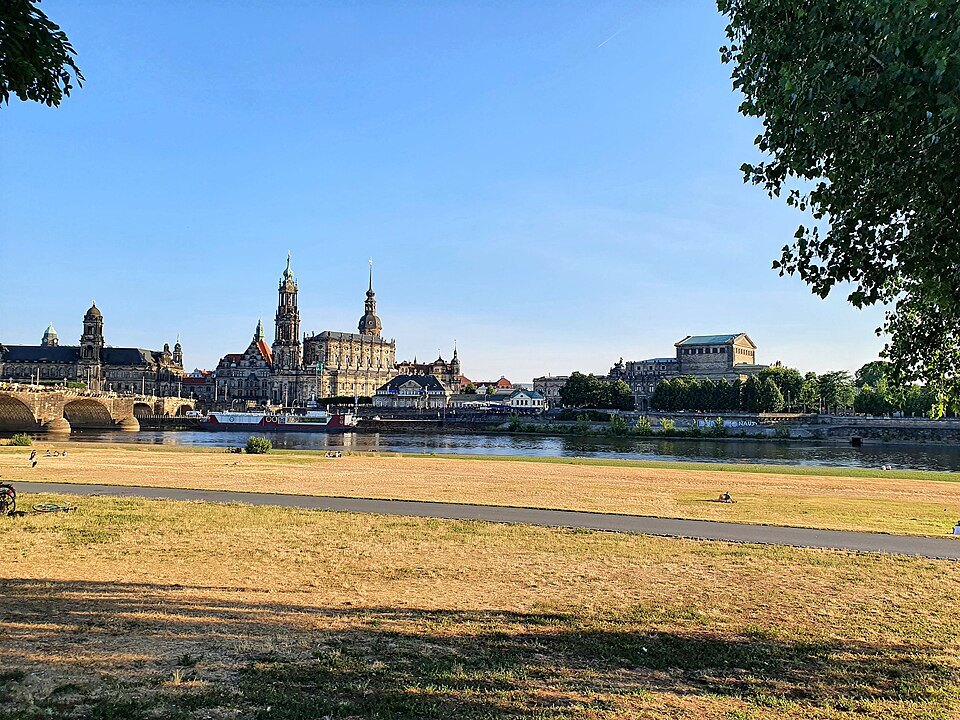
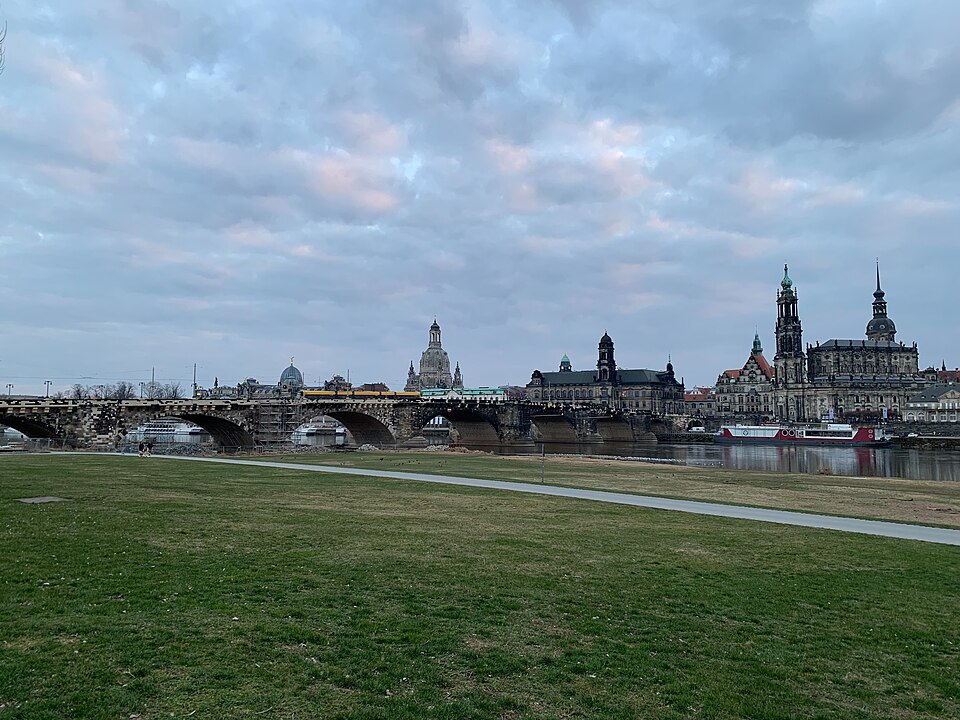
Seen from the water, the old town still lines up the way eighteenth-century painters showed it: the stone dome of the Frauenkirche, the glass dome of the Academy of Fine Arts, and the long wall of Brühl's Terrace above the paddle steamers' quay. Almost all of it burned in February 1945, and what stands today was rebuilt over the following sixty years.
The Neumarkt
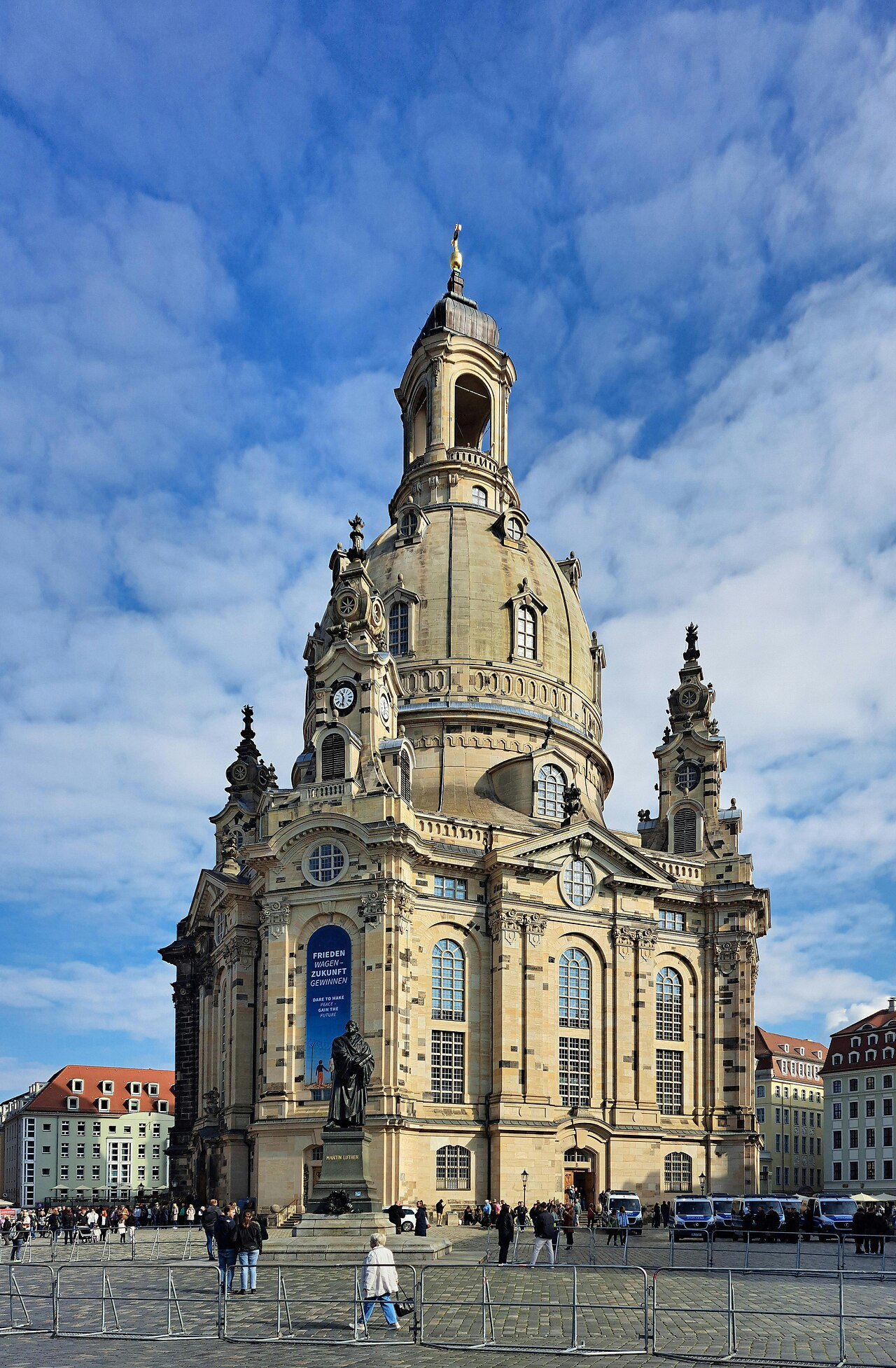
Behind the terrace the Neumarkt opens around the Frauenkirche, which lay as a heap of rubble for almost fifty years and was finished again in 2005. Look at its walls: the blackened blocks among the pale new sandstone are stones of the old church, set back where they came from. Most of the baroque fronts around the square are reconstructions built in this century on the old plots.
The Zwinger
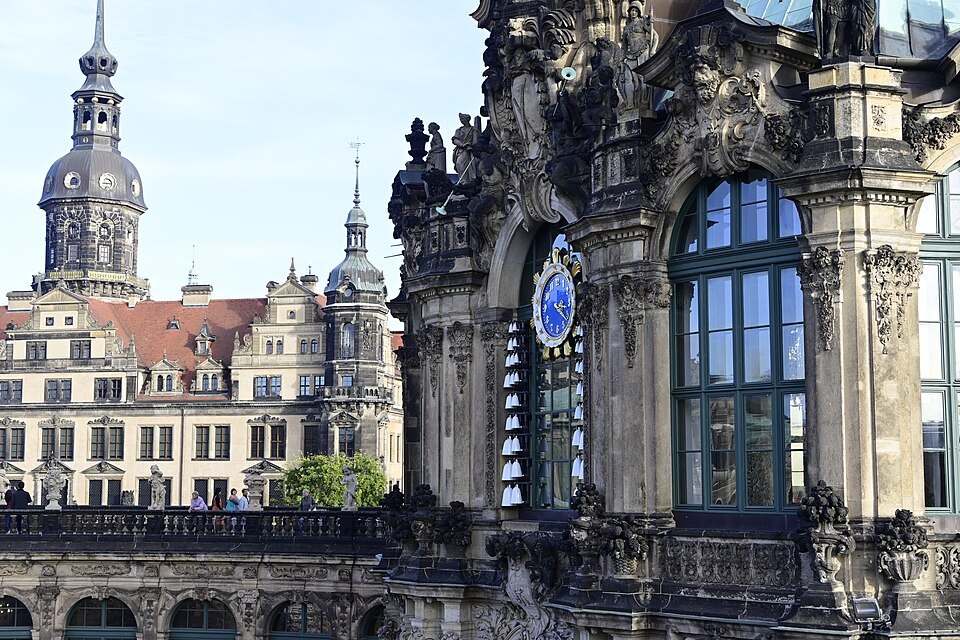
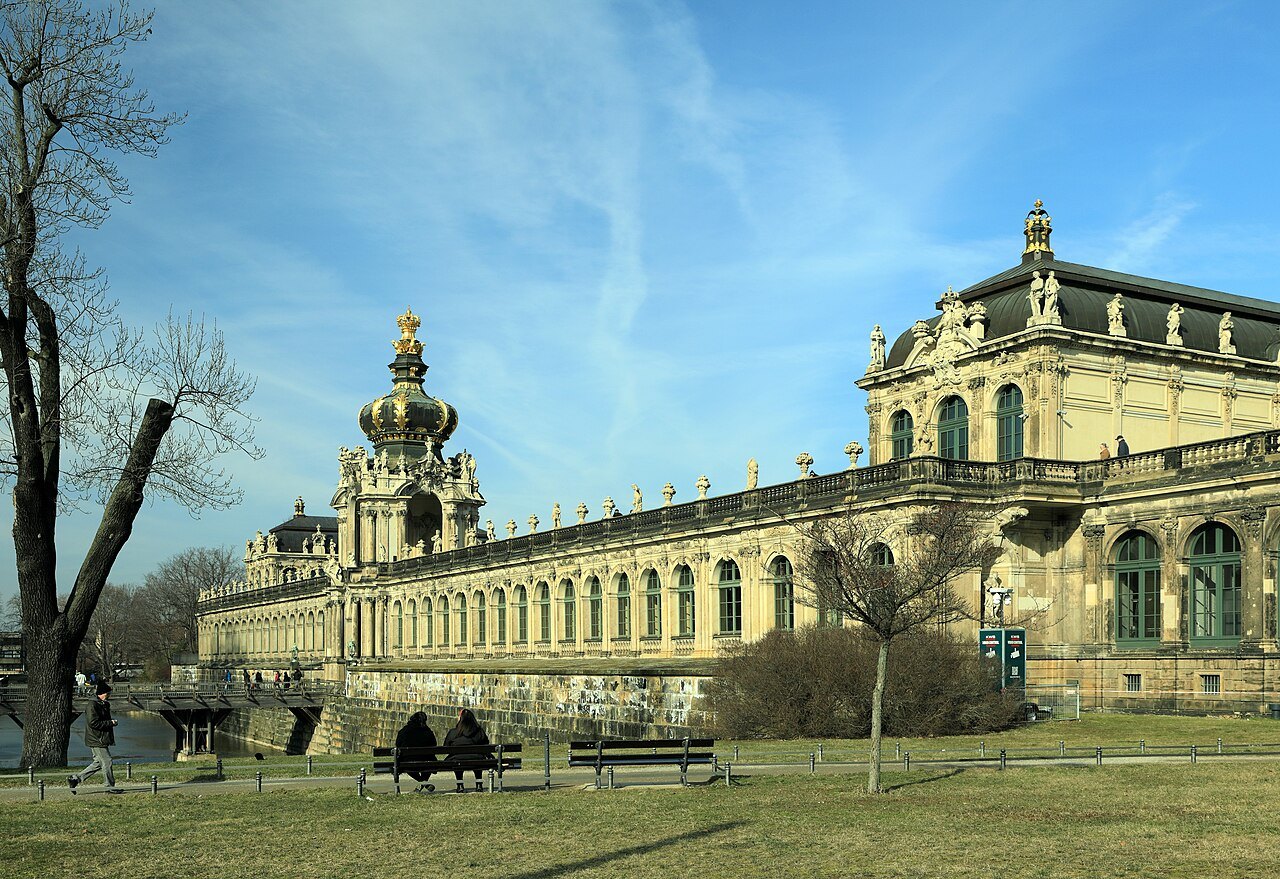
A few minutes to the west, the Zwinger is a baroque courtyard framed by galleries and pavilions, built from 1709 for Augustus the Strong. The Kronentor with its gilded crown leads in across the moat, and the buildings around the courtyard hold the Old Masters — Raphael's Sistine Madonna among them — and the court's porcelain.
The meadows
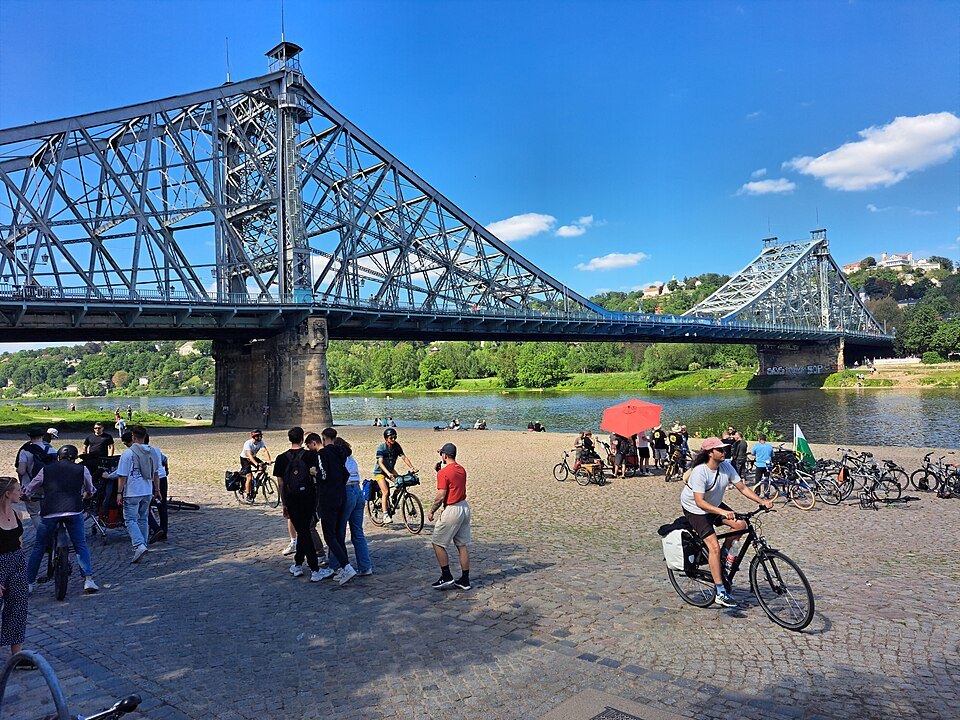
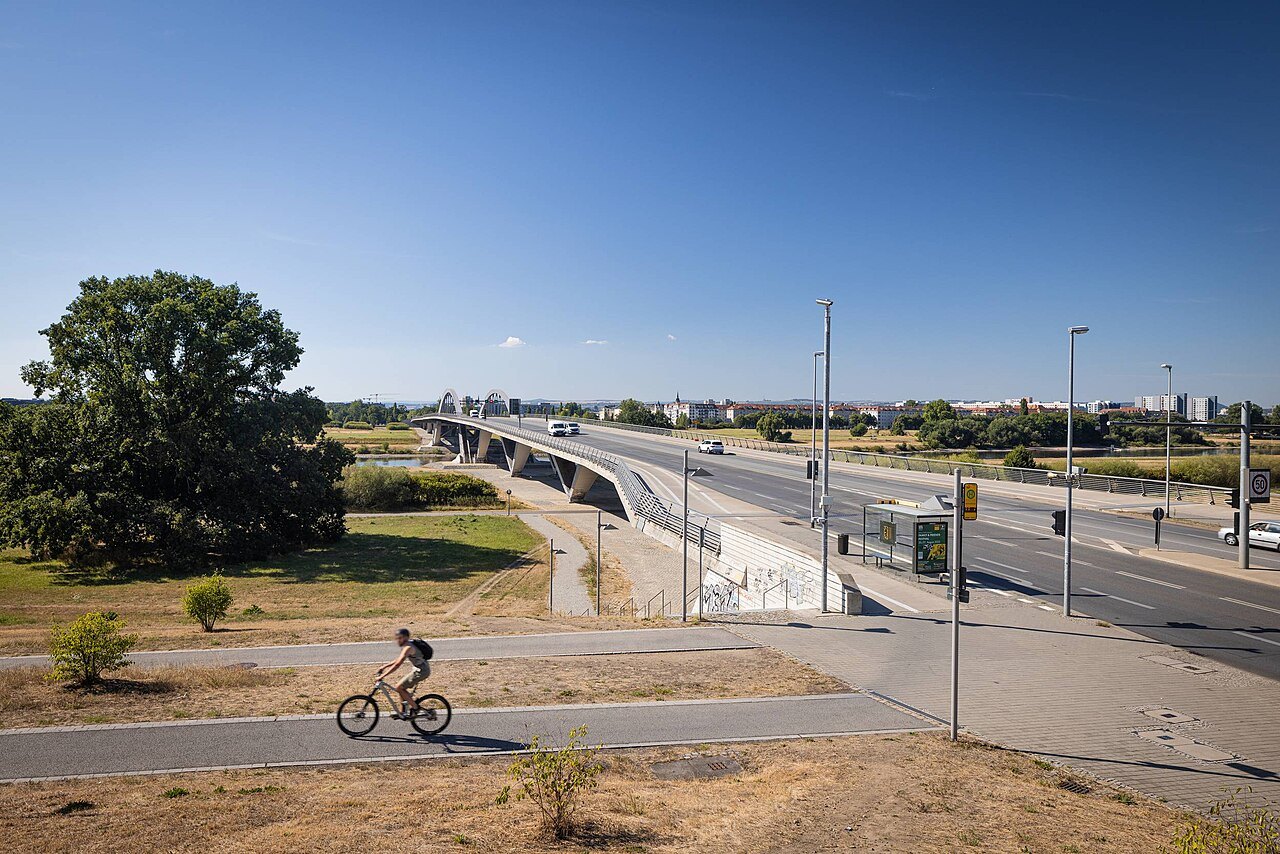
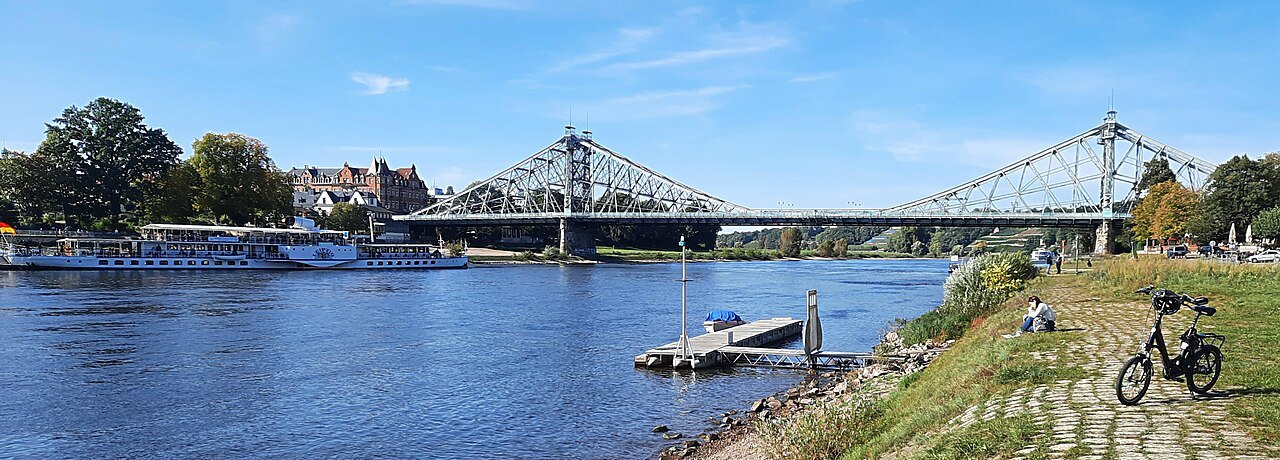
The Elbe runs through the middle of the city between wide green meadows, left unbuilt because the river floods them. In summer they are where Dresden walks, cycles and sits out, and an open-air cinema plays on the Neustadt bank. The valley was on the UNESCO World Heritage list from 2004 until 2009, when it was removed over the new bridge in this photograph.
The Neustadt
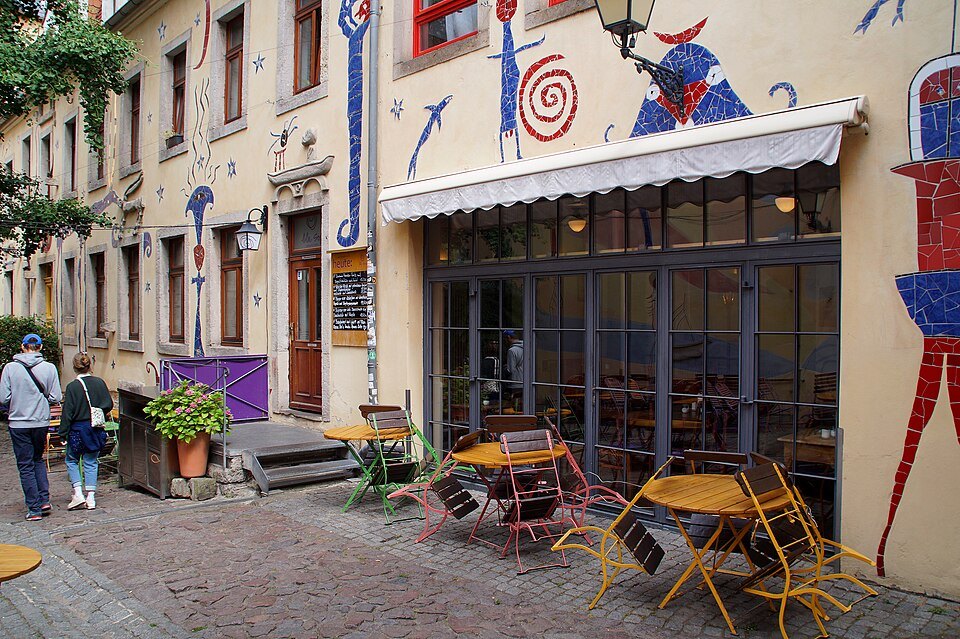
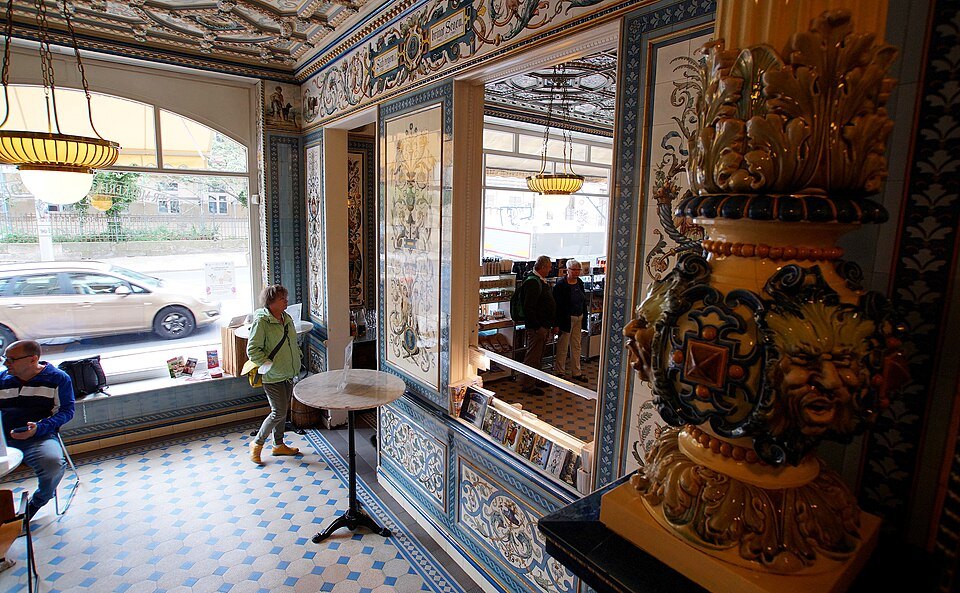
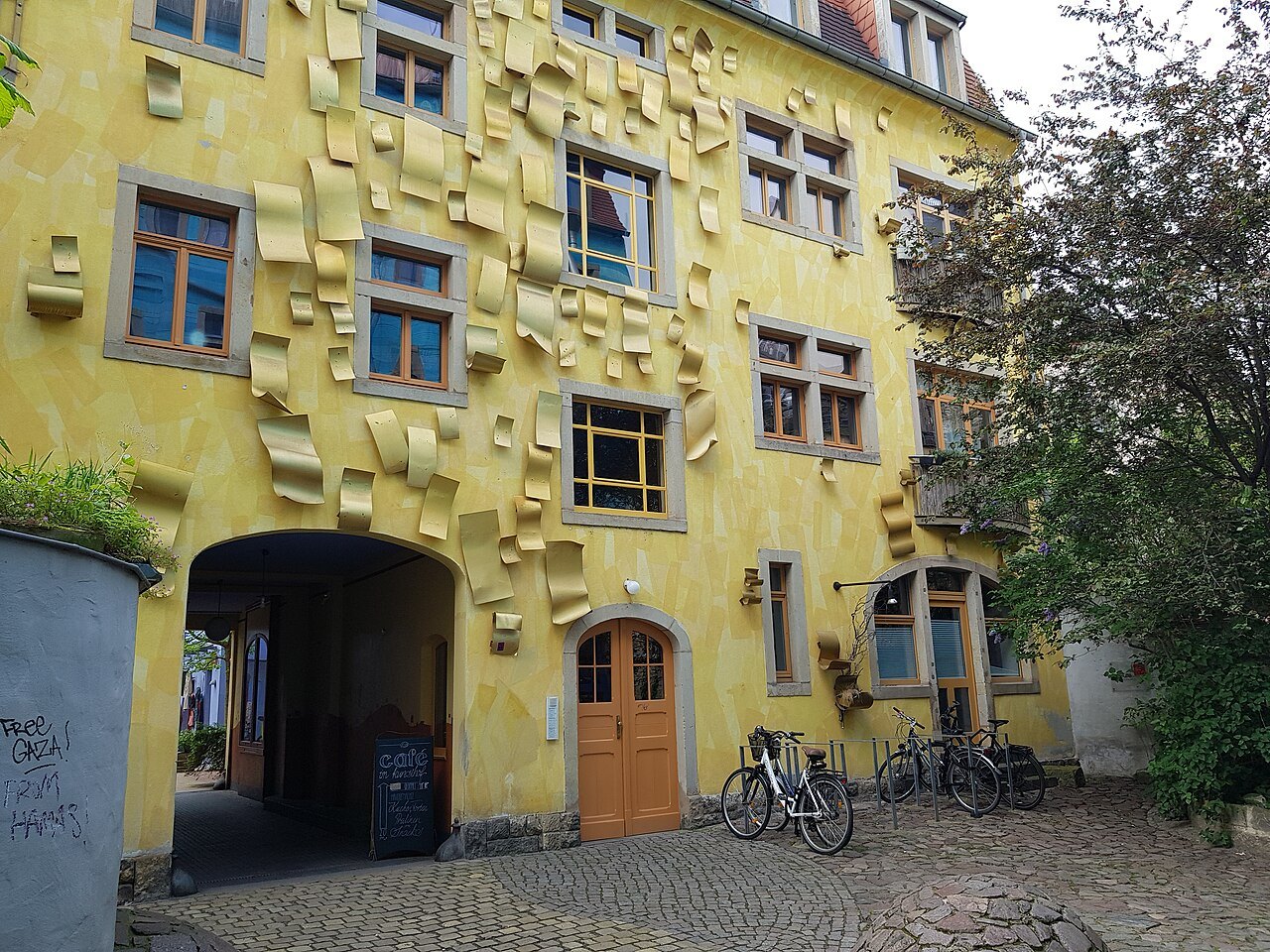
Across the Augustus Bridge lies the Neustadt: first the baroque New Town around the Golden Rider, then, beyond Albertplatz, a grid of nineteenth-century streets full of bars and small shops. In the Kunsthofpassage backyards became artworks, one with a wall of drainpipes that plays when it rains; further out, Pfunds Molkerei has kept its hand-painted tiled shop since it opened in 1892.
Upriver
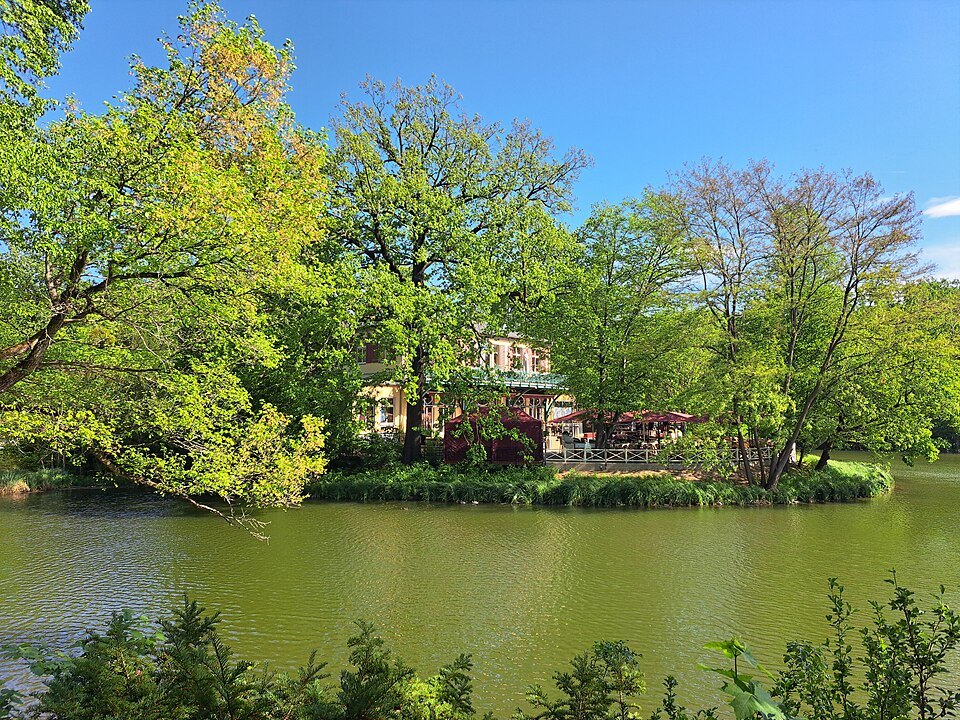
Upriver, the steel Blaues Wunder, finished in 1893, crosses between Blasewitz and Loschwitz, an old village of vineyards and villas on the valley slope, where two historic railways climb the hill. Further on, the steamers reach Pillnitz, a summer palace on the riverbank whose curved roofs and painted eaves drew on the fashion for East Asian design.
Three things to know first
- ArrivingTwo stations, one on each bank.Many trains from Berlin and Leipzig stop at Dresden-Neustadt before the Hauptbahnhof — get off on your hotel's side of the river.Getting here
- The streetsThe Altstadt, then the bridge.The famous buildings are minutes apart on the south bank; the Neustadt's streets begin across the Augustus Bridge.Neighborhoods
- The calendarAdvent fills the city; one vault runs on time slots.The Striezelmarkt draws visitors through December, and the Historic Green Vault is entered on a timed ticket.Booking ahead
Germany · SaxonyAbout 560,000 peopleGermanEuroFirst recorded 1206
The guide, cabinet by cabinet
Eleven sections, each a practical question about the city, and the journal.
 Inv. 01 · Eighteen places on two banksThe SightsEvery place in the city worth a page of its own, sorted by which side of the Elbe it stands on.
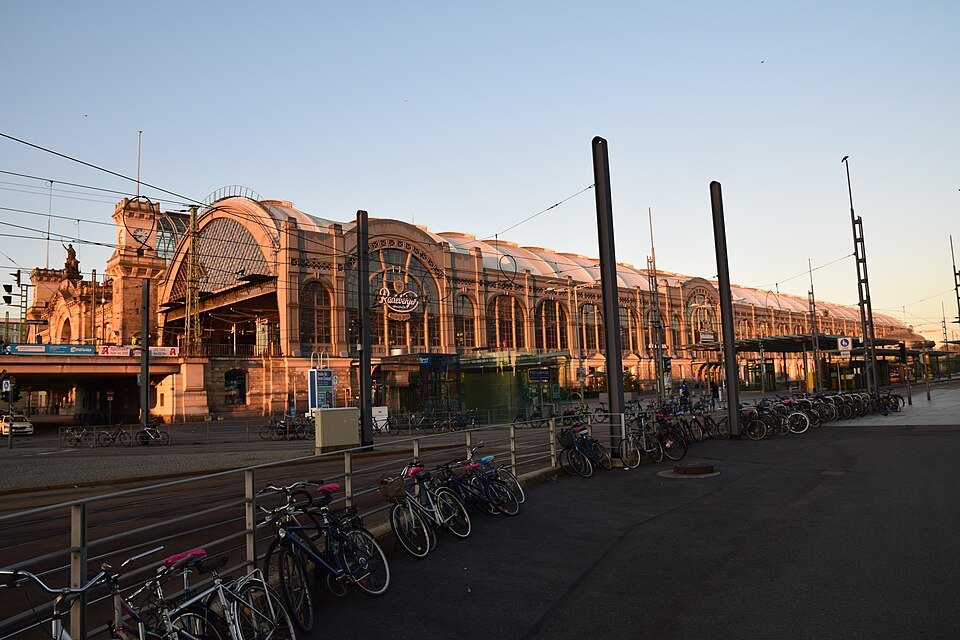 Inv. 02 · Two stations, one on each bankGetting HereBy air, by train from Berlin, Leipzig or Prague, by coach or by car — and which of Dresden's two main stations to get off at.
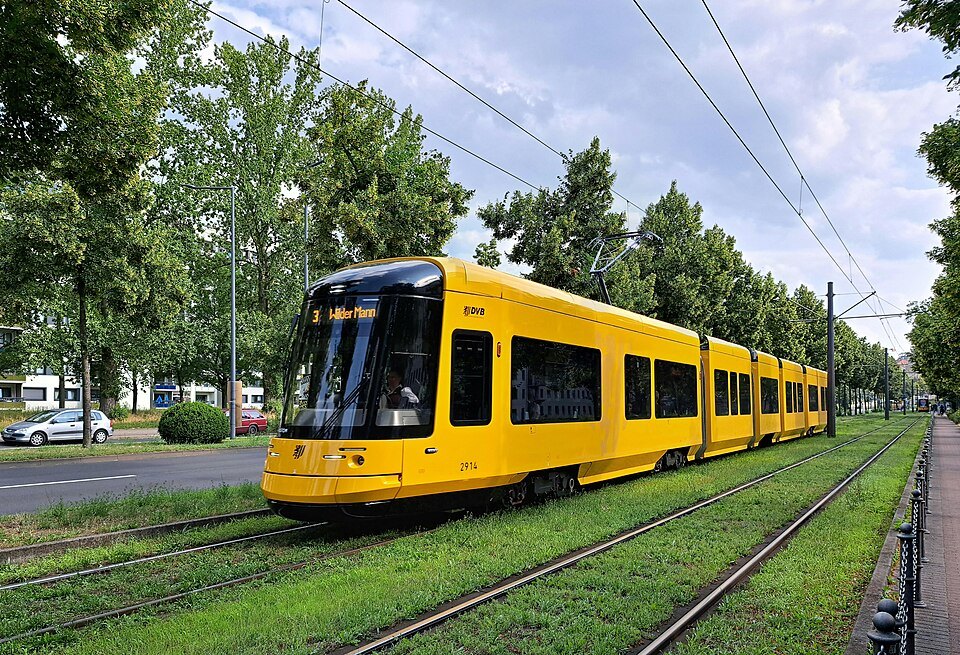 Inv. 03 · Trams, ferries and a bridge to walkGetting AroundThe Altstadt on foot, trams for the rest of the city, ferries across the Elbe, and two historic hillside railways.
 Inv. 04 · Coffee, cake and a christmas loafEating and DrinkingWhat Saxony bakes and cooks, what Dresden claims as its own, how the afternoon coffee works, and the small wine region of the Elbe valley.
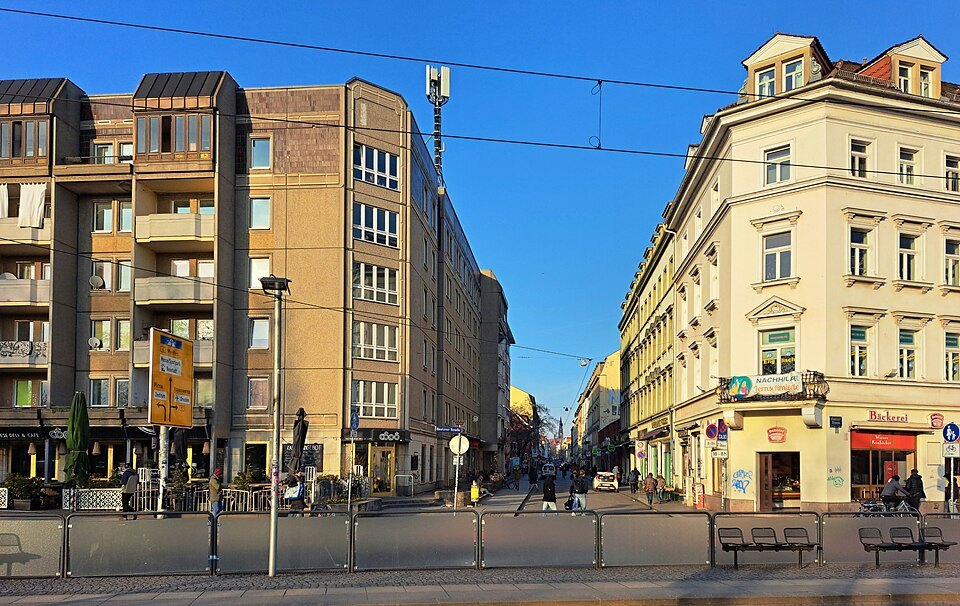 Inv. 05 · Which bank to sleep onNeighborhoodsThe rebuilt Altstadt, the two Neustadts facing it, the old harbor suburb downriver and the villa quarters upriver — what each is like and who it suits.
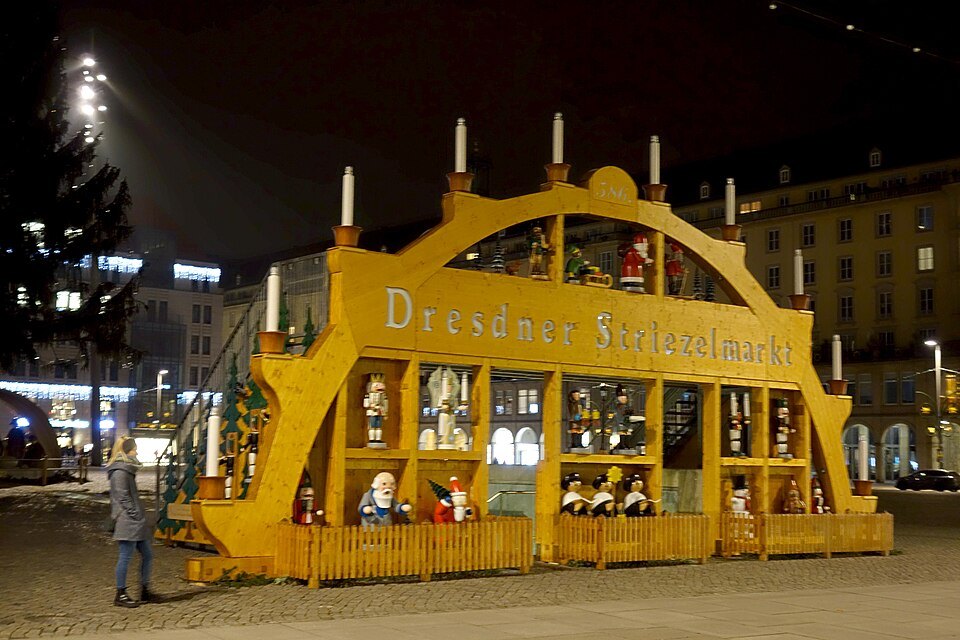 Inv. 06 · Advent, meadows and high waterWhen to ComeA sheltered river climate, a Christmas market first recorded in 1434, a summer cinema on the riverbank, a day of remembrance, and the years the Elbe rose.
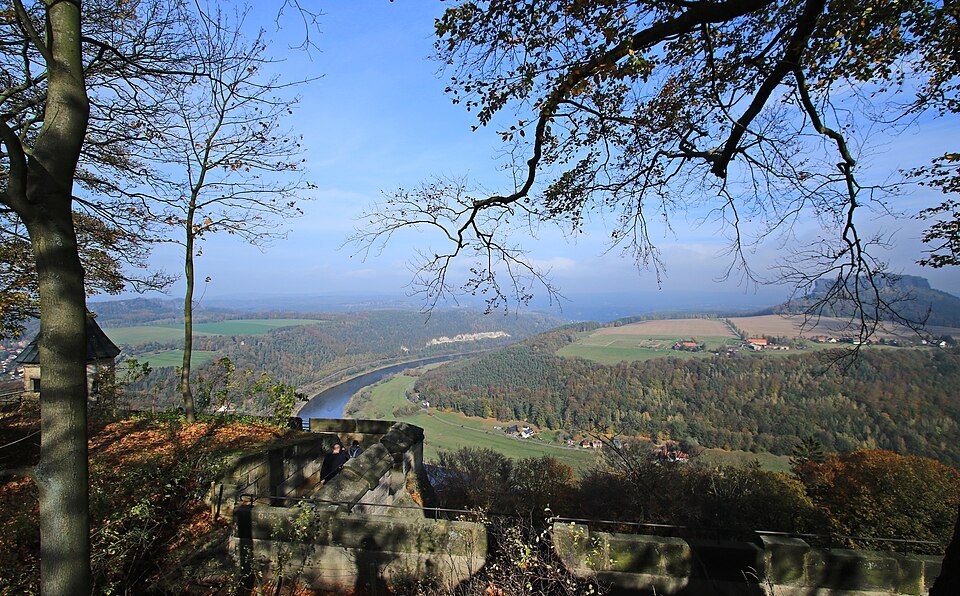 Inv. 07 · Downriver, upriver and over the borderDay TripsMeißen's porcelain and castle, the sandstone rocks of Saxon Switzerland, Moritzburg's lake palace, and Prague.
 Inv. 08 · Routes that know what is shutItinerariesOne day to a week, walked across both banks of the Elbe, arranged around museum closing days, church services and one timed treasure vault.
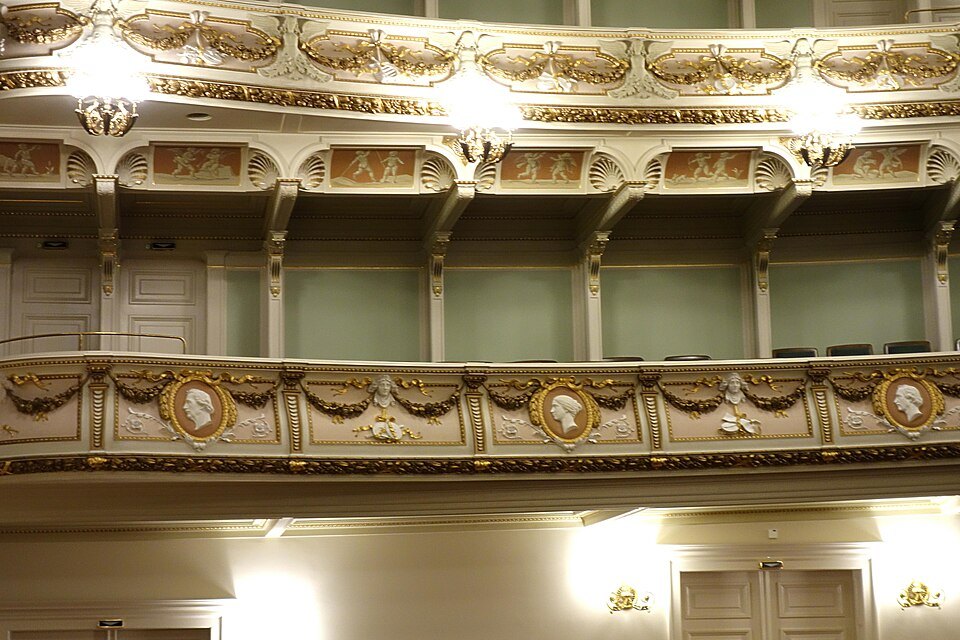 Inv. 09 · One vault, one opera, and adventBooking AheadMost of Dresden you walk into. The exceptions are the Historic Green Vault, a night at the opera, and a bed in December.
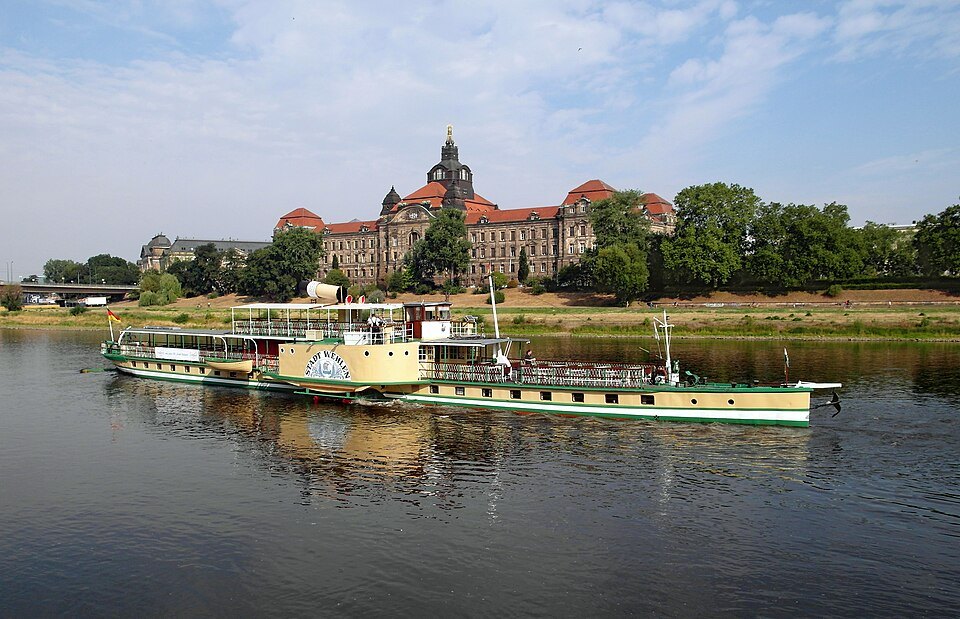 Inv. 10 · A river the city left room forThe ElbeGreen meadows on both banks, the bridges in order, the world's oldest paddle-steamer fleet, and the view that was painted.
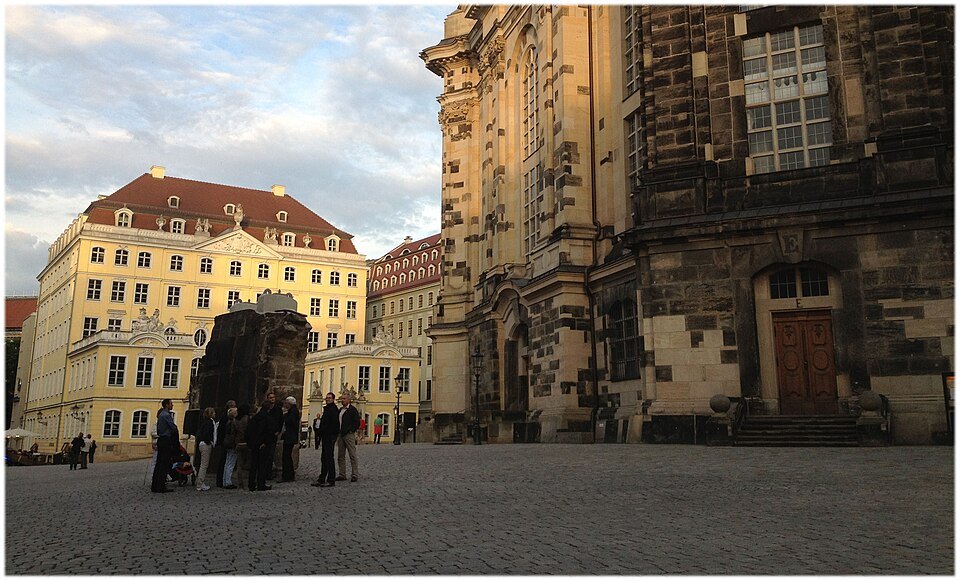 Inv. 11 · How to tell old stone from newThe Rebuilt CityWhat the raids of February 1945 destroyed, what was rebuilt when, and what was left as it was.
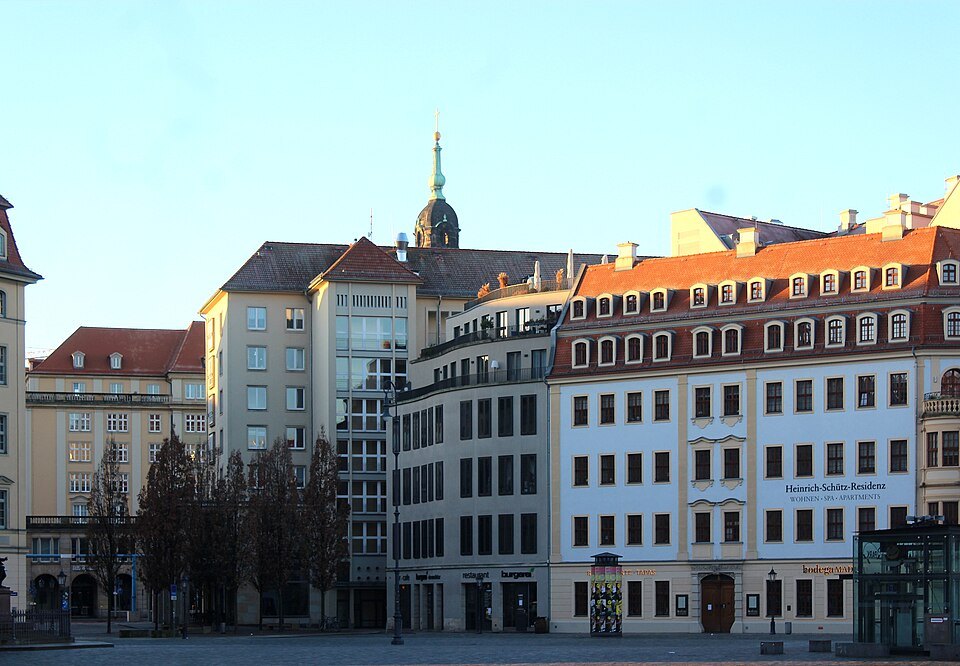 Inv. 12 · Questions answered at lengthThe JournalVisitor questions about Dresden, answered in full, with new pieces as they are written.