One day
- The Frauenkirchecloses to sightseers during services
- The Fürstenzug
- The ResidenzschlossHistoric Green Vault by time slot
- The Zwingercheck the museum's closing day
- The Semperoperthe inside on a tour or a performance
- Brühl's Terrace
Two days
Three days
- The Albertinumcheck the museum's closing day
- The Zwingercheck the museum's closing day
- The ResidenzschlossHistoric Green Vault by time slot
- The Kreuzkirche
Five days
- Pillnitz
- The Blaues Wunderrailways close for maintenance at times
- Day Trips
A week
01The rules that make Dresden work
Book the Historic Green Vault first. The baroque treasure chambers admit a limited number of visitors on time-slot tickets, and the museum itself recommends booking online. Fix that slot before anything else and build the day around it: the rest of the palace, the procession of princes on its outer wall and the Zwinger all lie within a few minutes' walk. See booking ahead.
Note Plan around what is shut. The state museums each close one day a week, and not all on the same day — the palace museums and the Albertinum keep different ones — so put the museum-heavy day on a day when none of its stops rests. The Frauenkirche closes to sightseers during services, concerts, weddings and rehearsals, and its own calendar shows when it can be visited. Check both the evening before.
Use the river. The Altstadt and the Neustadt face each other across the Elbe, and the Augustus Bridge between them is part of the sightseeing. From early May to early October the paddle steamers leave the Terrassenufer for the palaces upriver; outside that season the trams and a small city ferry make the same trip. See when to come for the seasons.
02One day
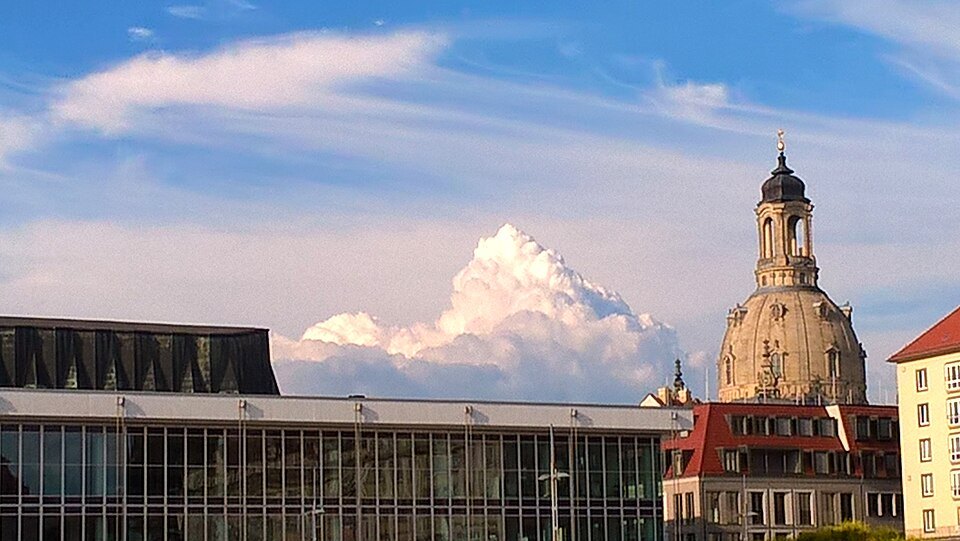
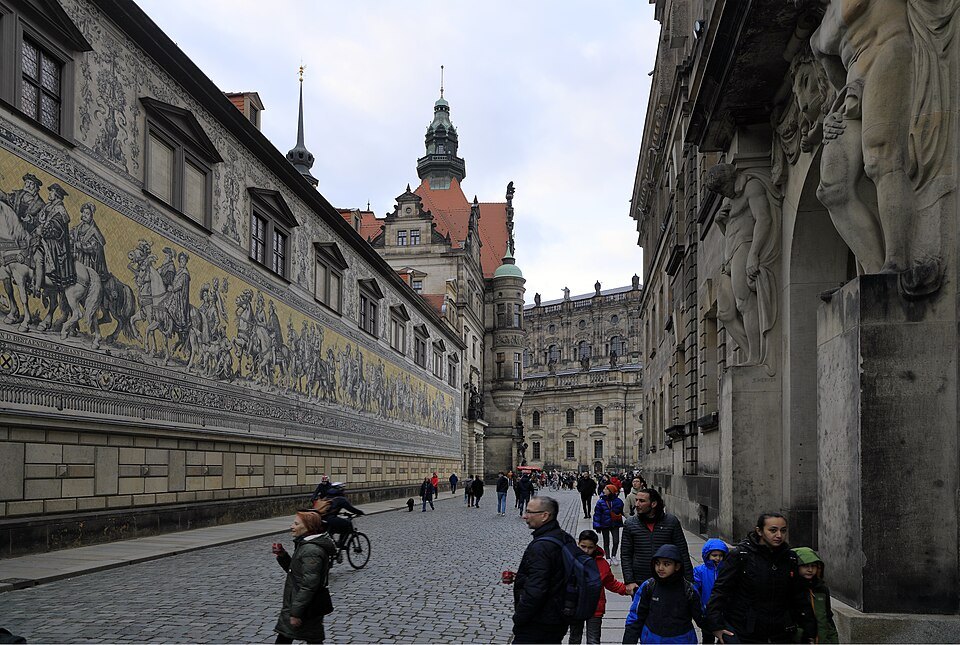
Start at the Frauenkirche on the Neumarkt early, before a service or a concert closes it to visitors, and read the blackened old stones set among the pale new ones before going in. From the church, walk a few minutes to Augustusstraße and the Fürstenzug: keep to the far pavement for the whole hundred-meter procession of Saxon rulers, which leads you straight to the palace.
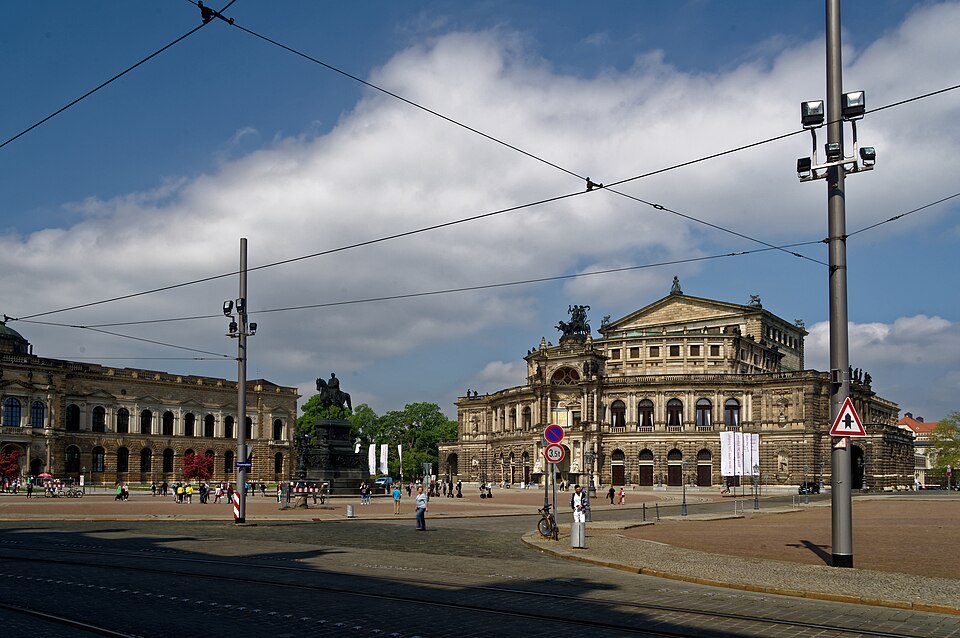
The Residenzschloss comes next, timed to your Green Vault slot, with the Armoury's Turkish Chamber if there is time. Leave through the Georgentor, cross the Theaterplatz and take a break in the courtyard of the Zwinger, among its pavilions and galleries. Step back out to the middle of the square for the front of the Semperoper, with the statue of King John in the foreground.
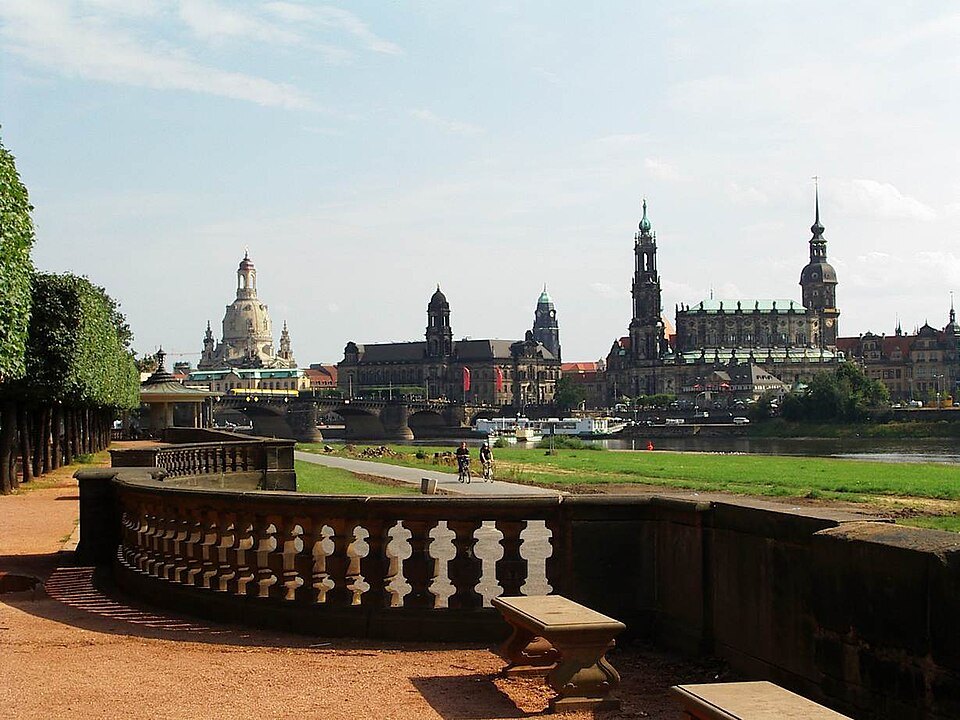
End on Brühl's Terrace. Climb the broad steps from the Schlossplatz in the late afternoon, when the light comes down the river from the west, and walk east above the moored steamers. For the evening, book a performance at the Semperoper ahead of time, or look for a concert in the Frauenkirche's calendar.
03Two days
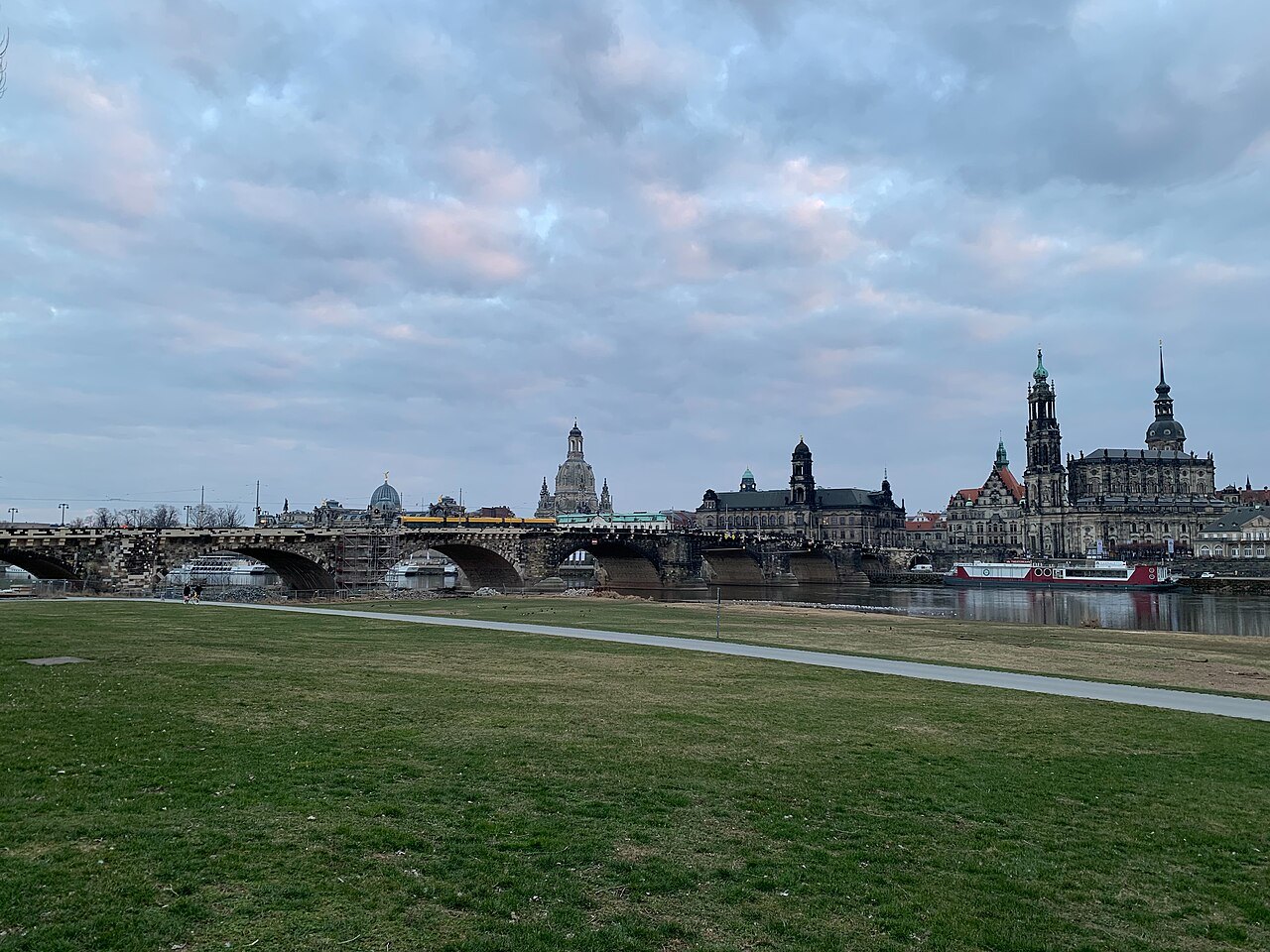
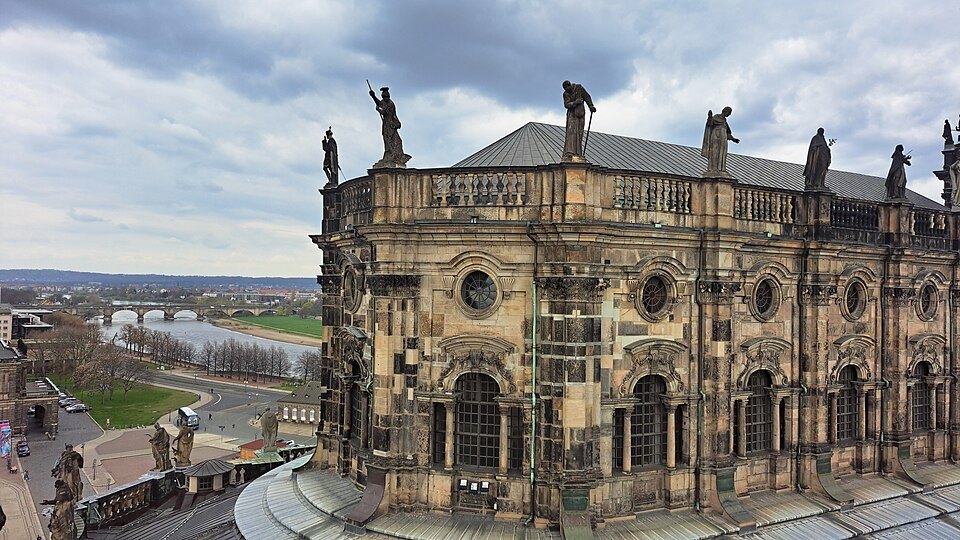
Keep the first day as above and give the second to the river and the other bank. Begin in the Hofkirche on the Theaterplatz, free to enter outside services, for Silbermann's organ and Permoser's pulpit. Then walk out onto the Augustus Bridge and stop halfway: turn round, and the Hofkirche, the palace tower, the Semperoper and the Frauenkirche dome line up across the water.
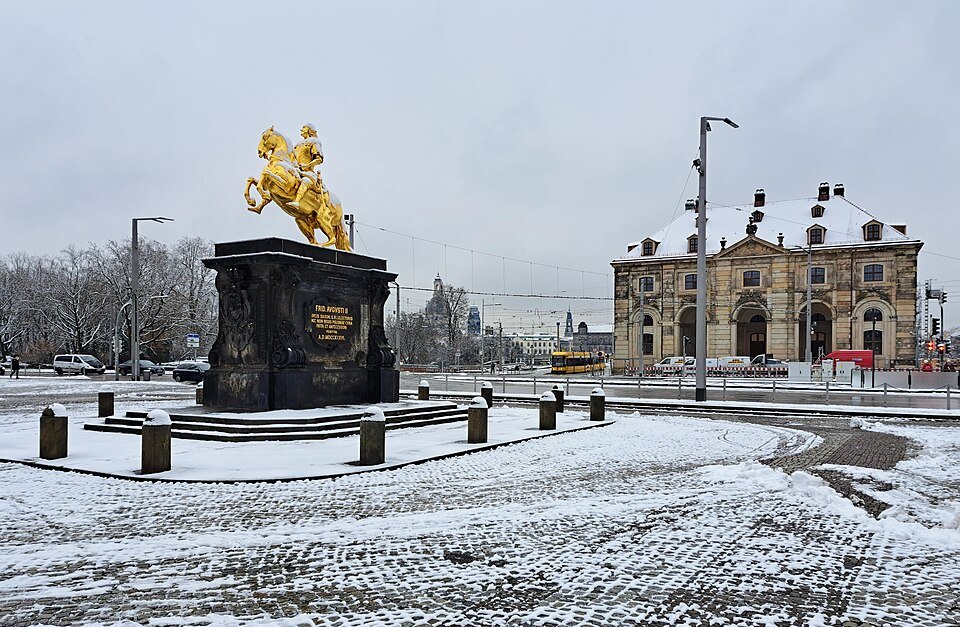
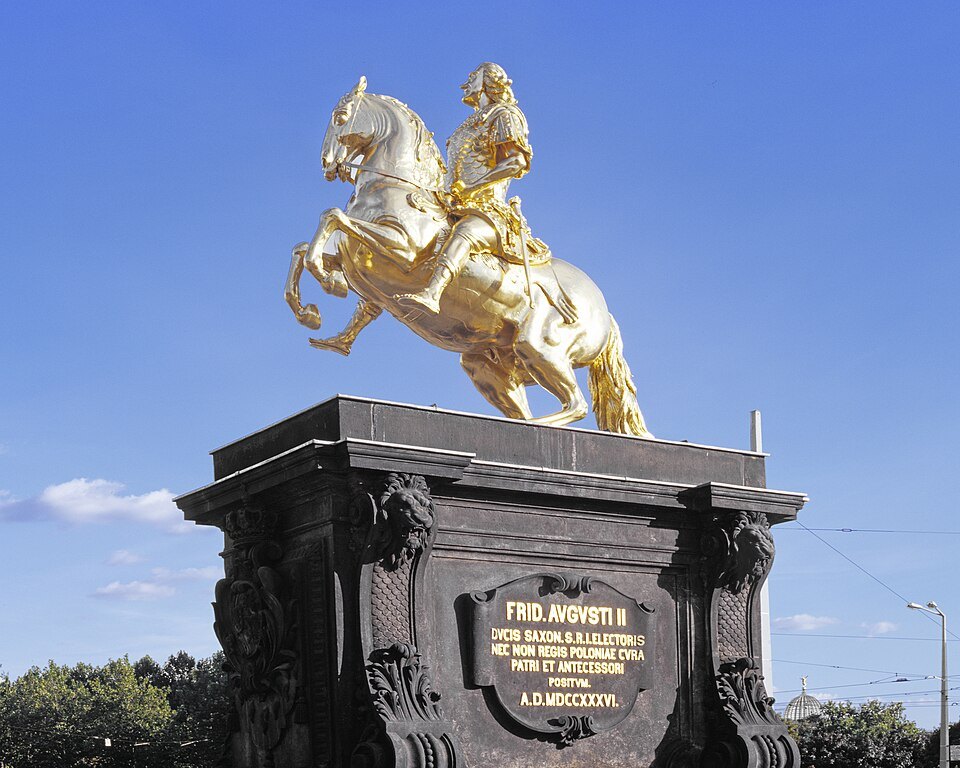
On the far side the Golden Rider, Augustus the Strong in gilt, stands at the head of the Hauptstraße, the tree-lined avenue of the baroque Innere Neustadt. Follow it north to Albertplatz and on into the Äußere Neustadt, the nineteenth-century quarter that the bombing largely spared. Break there for lunch — see eating and drinking — then find the Kunsthofpassage, five courtyards between Görlitzer Straße and Alaunstraße, where the drainpipe wall plays when it rains.
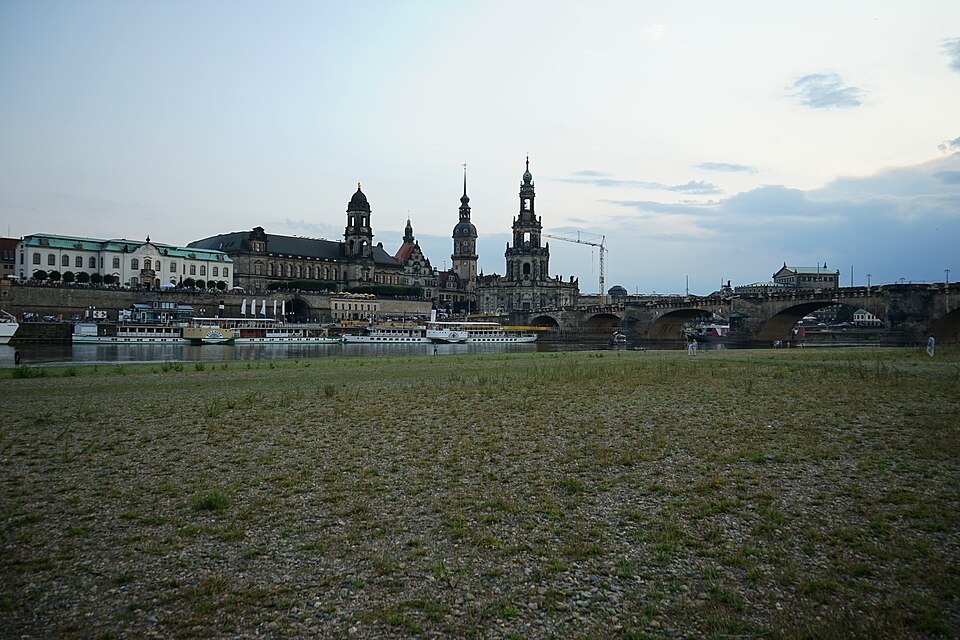
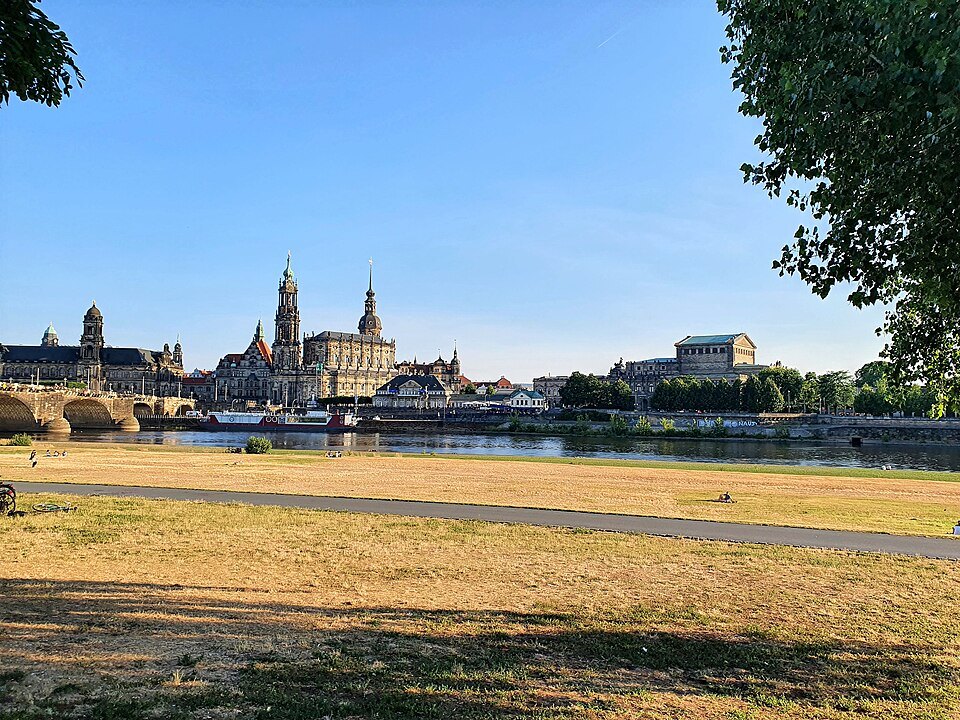
Towards evening, walk back down to the meadows just downstream of the Augustus Bridge, where Bernardo Bellotto painted the view still called the Canaletto view — see the Elbe. After dark, return to the streets of the Äußere Neustadt, the city's evening quarter.
04Three days
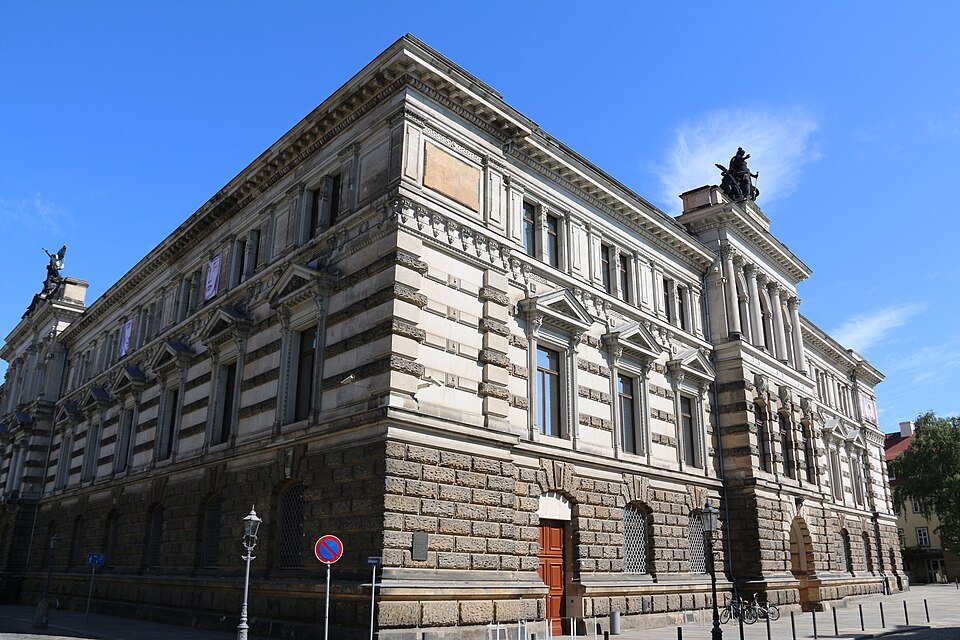
Give the third day to the collections, and choose a day on which none of them shuts. Start at the Albertinum at the eastern end of Brühl's Terrace, for Caspar David Friedrich and the Romantic rooms and the covered courtyard built after the flood of 2002. Then walk back west along the terrace and through the Altstadt to the Zwinger.
In Semper's gallery, on the river side of the Zwinger, hang the Old Masters, Raphael's Sistine Madonna among them; the Porcelain Collection and the Mathematisch-Physikalischer Salon, the court's clocks and instruments, are in the same complex. If the Historic Green Vault did not fit the first day, it belongs here, with the New Green Vault on the floor above it.
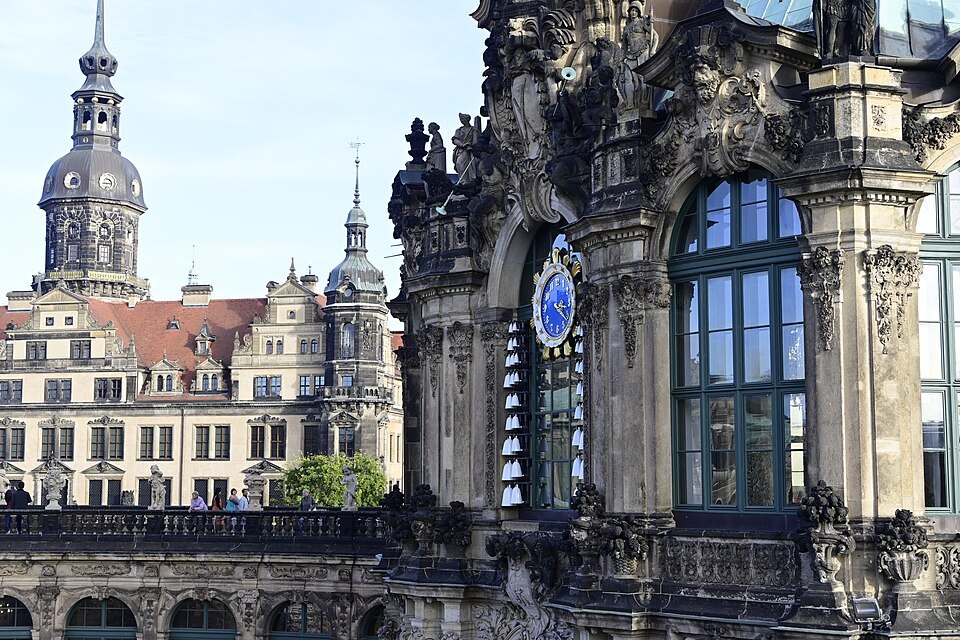
Break on the Altmarkt, where the Kreuzkirche keeps its rough postwar plaster as a memorial and its tower can be climbed. The Kreuzchor sings services and concerts there through much of the year, and at dusk the rebuilt Neumarkt around the Frauenkirche is worth walking slowly — see the rebuilt city.
05Five days
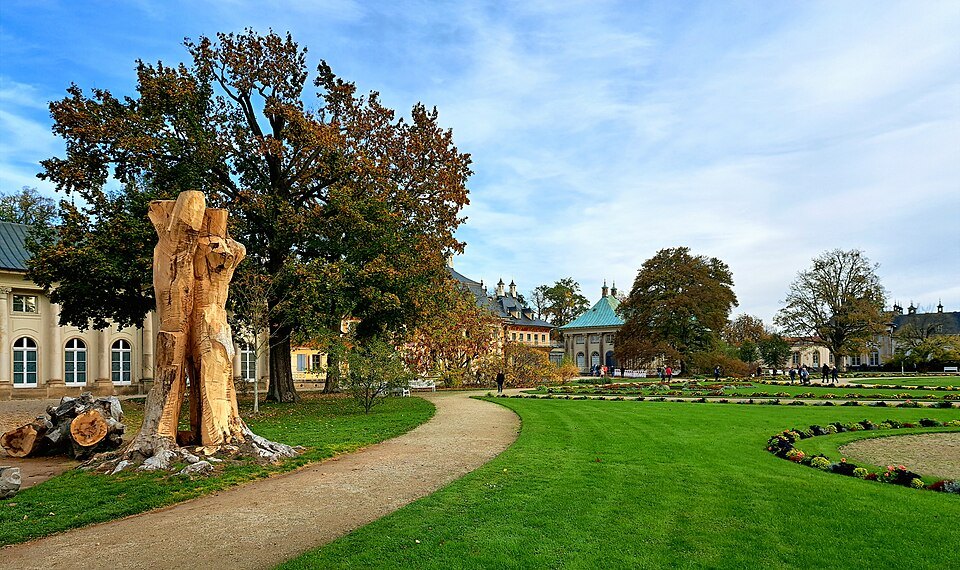
Day four goes upriver. In the steamer season, take a paddle steamer from the Terrassenufer to Pillnitz, passing under the Blaues Wunder, and land beside the water stairs that the court built for arriving by gondola. Walk the baroque garden between the Wasserpalais and the Bergpalais, then the park; from mid-February into early April, the old camellia flowers in its glasshouse. Out of season, tram line 2 to Kleinzschachwitz and the small ferry across make the trip.
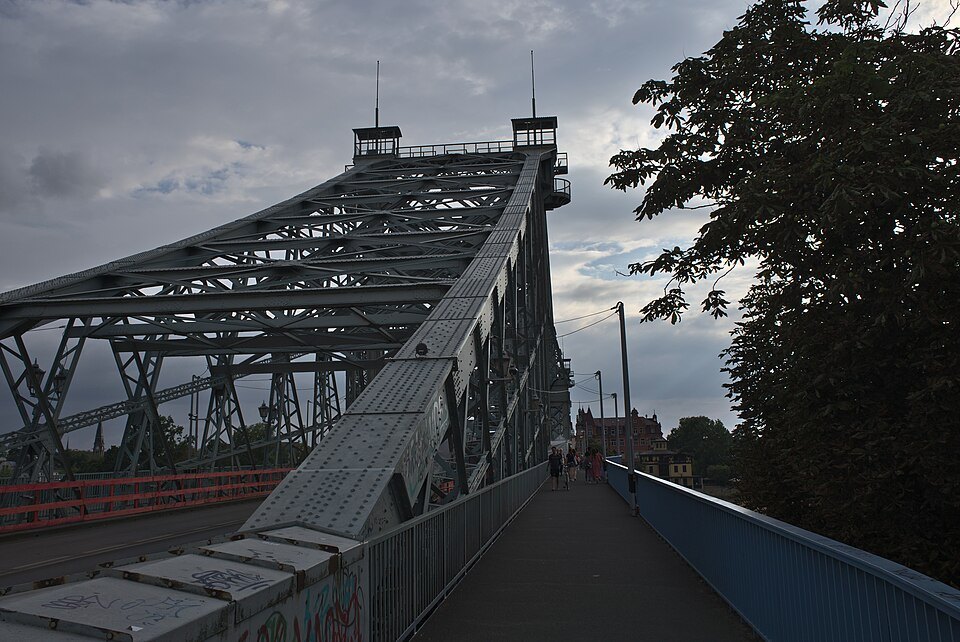
Head back towards the center by ferry and tram, and stop at the Blaues Wunder: from Schillerplatz in Blasewitz, walk across the pierless bridge to Körnerplatz, where the funicular and the suspended railway climb the valley slope. Check the operator before relying on either — see getting around.
Day five leaves the city. The day trips follow the same valley both ways by S-Bahn: downriver to Meißen, for its porcelain, castle and cathedral, or upriver to the sandstone rocks and the Bastei. Either fills a day, so start early and come back for a quiet evening on the Neustadt side.
06A week
Day six begins in the Großer Garten, about half an hour's walk from the Frauenkirche or a short tram ride: the long Hauptallee, the burned-out and restored Palais at the center, the Carolasee. In the afternoon take a tram north through the Neustadt to the Military History Museum, where Libeskind's wedge splits the old arsenal. Some of the exhibition is hard to look at, so allow time.
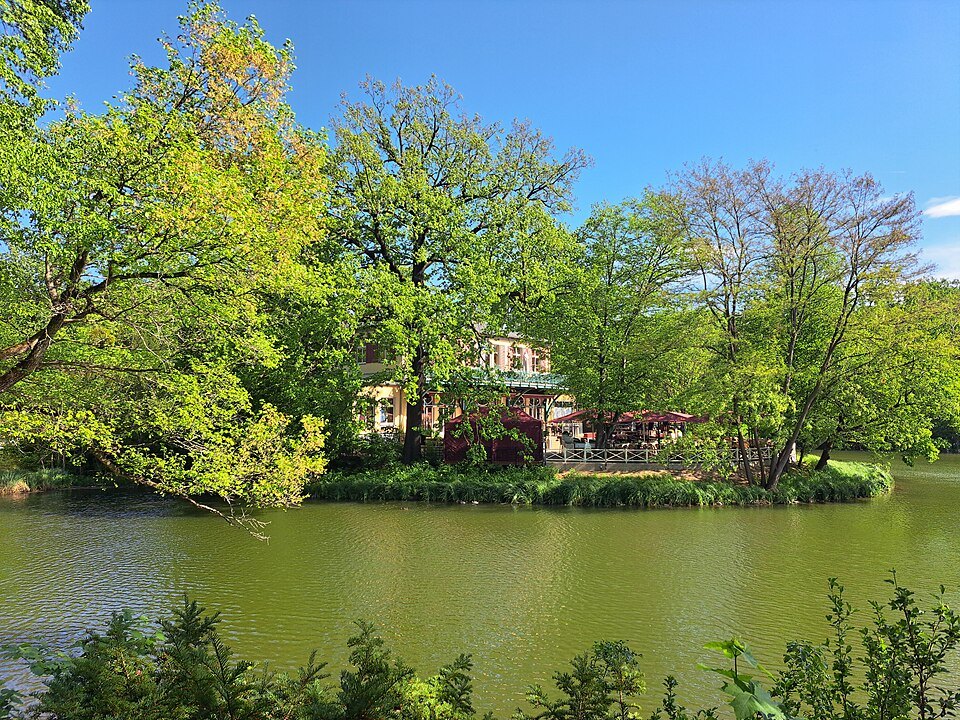
Day seven is for a second day trip or a slower walk. Follow the Altstadt bank west to the Marienbrücke for the colored glass dome and minaret chimney of the Yenidze, cross the river, and come back along the Neustadt meadows. Keep the last evening for the Neustadt alone, with no sight in it at all — see neighborhoods.