- Janthe coldest month, near freezingthe quietest month
- Febcold, the driest month13 February remembrance · Pillnitz camellia flowers
- Marspring beginsthe Pillnitz camellia in flower
- Aprthe meadows turn greenthe camellia's last weeks
- Maylong days on the riversteamer parade · Musikfestspiele begin
- Junwarm, long eveningsMusikfestspiele · Elbhangfest · summer cinema
- Julthe warmest and wettest monthopen-air cinema on the Neustadt bank
- AugwarmCanaletto city festival · the 2002 flood
- Sepstill warmlong evenings, steamers still sailing
- Octautumn in the gardensthe steamer season ends
- Novdark afternoonsthe Advent markets open with Advent
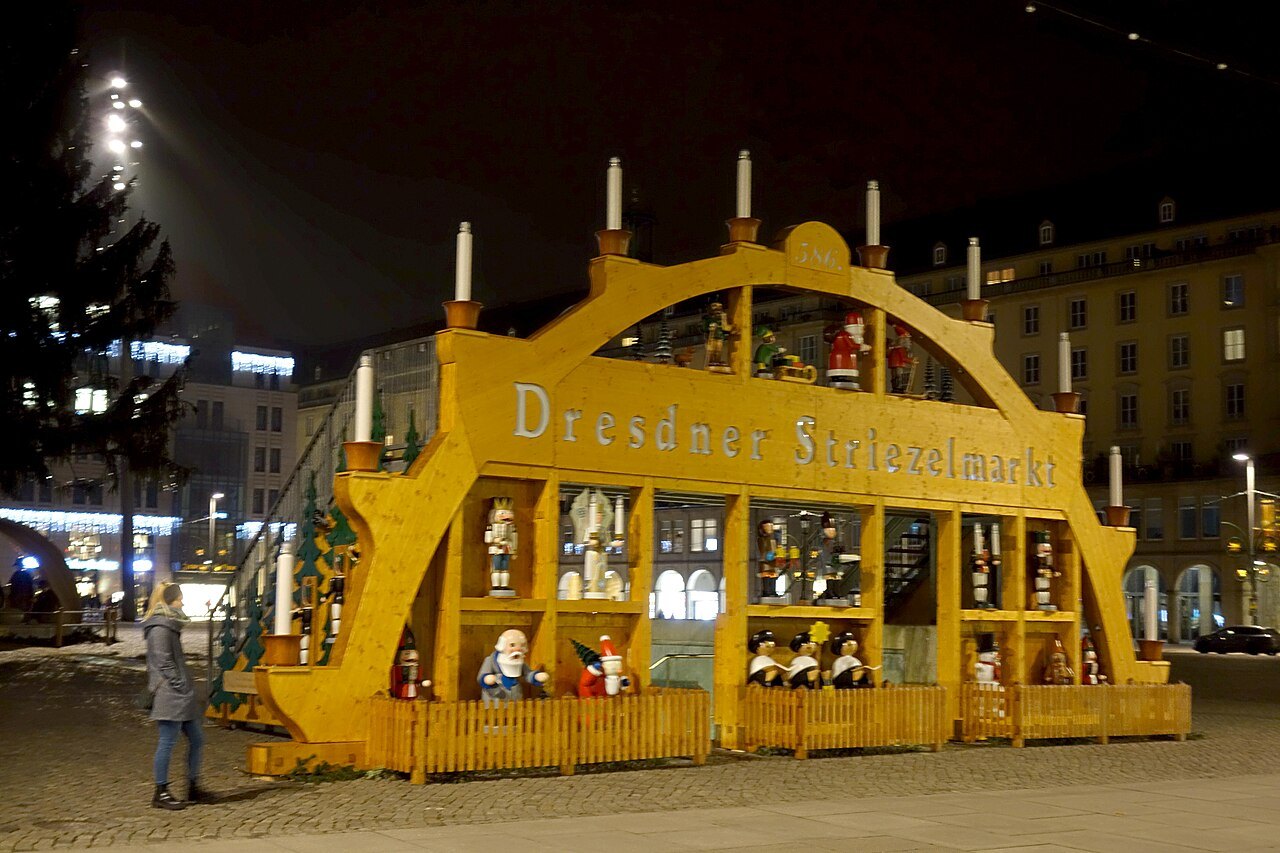
- DeccoldStriezelmarkt · Stollenfest
- dark months, Advent
- light months on the river
- the great flood of August 2002
- 01The short answer
- 02Spring: camellias and green meadows
- 03Early summer: the music festival
- 04High summer into autumn
- 05When the Elbe rises
- 06Advent and the Striezelmarkt
01The short answer
May, June and September are the easiest months: long days, the paddle steamers running on the river, the meadows green and the gardens of Pillnitz and the Großer Garten in full leaf. Advent is the season Dresden is most famous for, and the busiest. January and February are the quietest months, and the coldest.
The climate is mild for eastern Germany, because the city lies low in the sheltered Elbe valley, below the hills around it. The long-term averages at the Dresden-Klotzsche weather station put January close to freezing and July, the warmest month, at about nineteen degrees Celsius. Rainfall is modest, around 550 millimeters a year, with the least in February and the most in July.
02Spring: camellias and green meadows
Spring starts early at Pillnitz. The Japanese camellia in the palace park, planted in its present spot in 1801 and now almost nine meters tall, flowers from about mid-February into early April, with tens of thousands of carmine-red blossoms. A glasshouse on rails is rolled over it for the winter and away again for the summer, and visitors look at the tree from two gallery levels.
Along the river, the Elbwiesen — the meadows left unbuilt because the water floods them — turn green through April. The main steamer season runs from early May to early October, and the fleet traditionally opens it on 1 May with a parade of its nine historic paddle steamers; see the Elbe.
03Early summer: the music festival
The Dresdner Musikfestspiele, founded in 1978, fills the weeks between mid-May and mid-June. It is one of Europe's large classical festivals, with visiting orchestras and chamber music alongside early music, jazz and dance, in venues that include the Kulturpalast, the Semperoper, the Festspielhaus Hellerau, the city's churches and summer concerts at Pillnitz. Its roots lie in the court festivals of the Saxon electors.
On the last weekend in June the Elbhangfest, first held in 1991, takes over the slopes of the right bank between Loschwitz and Pillnitz, from Körnerplatz by the Blaues Wunder to the palace park. A volunteer association runs it, each year under a different motto, with concerts, theater, readings, a parade and dragon boats on the river.
04High summer into autumn
Every summer since 1991 the Filmnächte am Elbufer have set up an open-air cinema and concert stage on the Neustadt meadows, directly across the water from the Altstadt skyline. The screen, which the event describes as the largest mobile cinema screen in the world, measures thirty-two meters by fourteen, and films share the program with concerts. The season runs for several weeks; check its program before planning an evening around it.
Late in August, usually on the penultimate weekend, Canaletto, the city festival first held in 1998, spreads stages through the center; it is named after the painter Bernardo Bellotto, known as Canaletto, who painted the city in the eighteenth century. September keeps the long evenings and the steamers, and by October the gardens turn and the season on the river draws to its end.
05When the Elbe rises
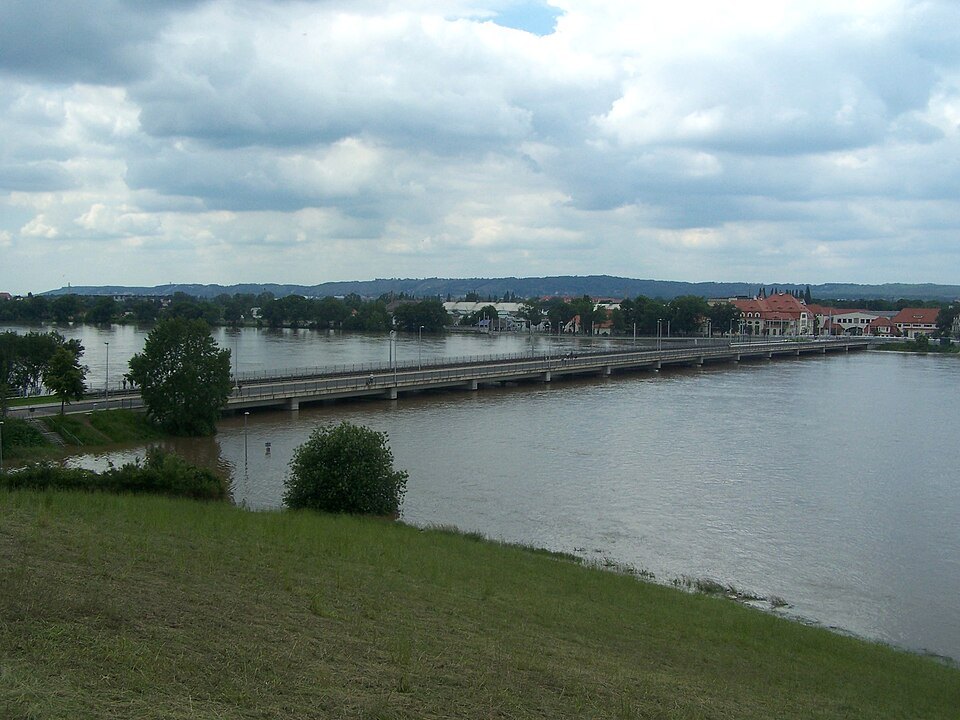
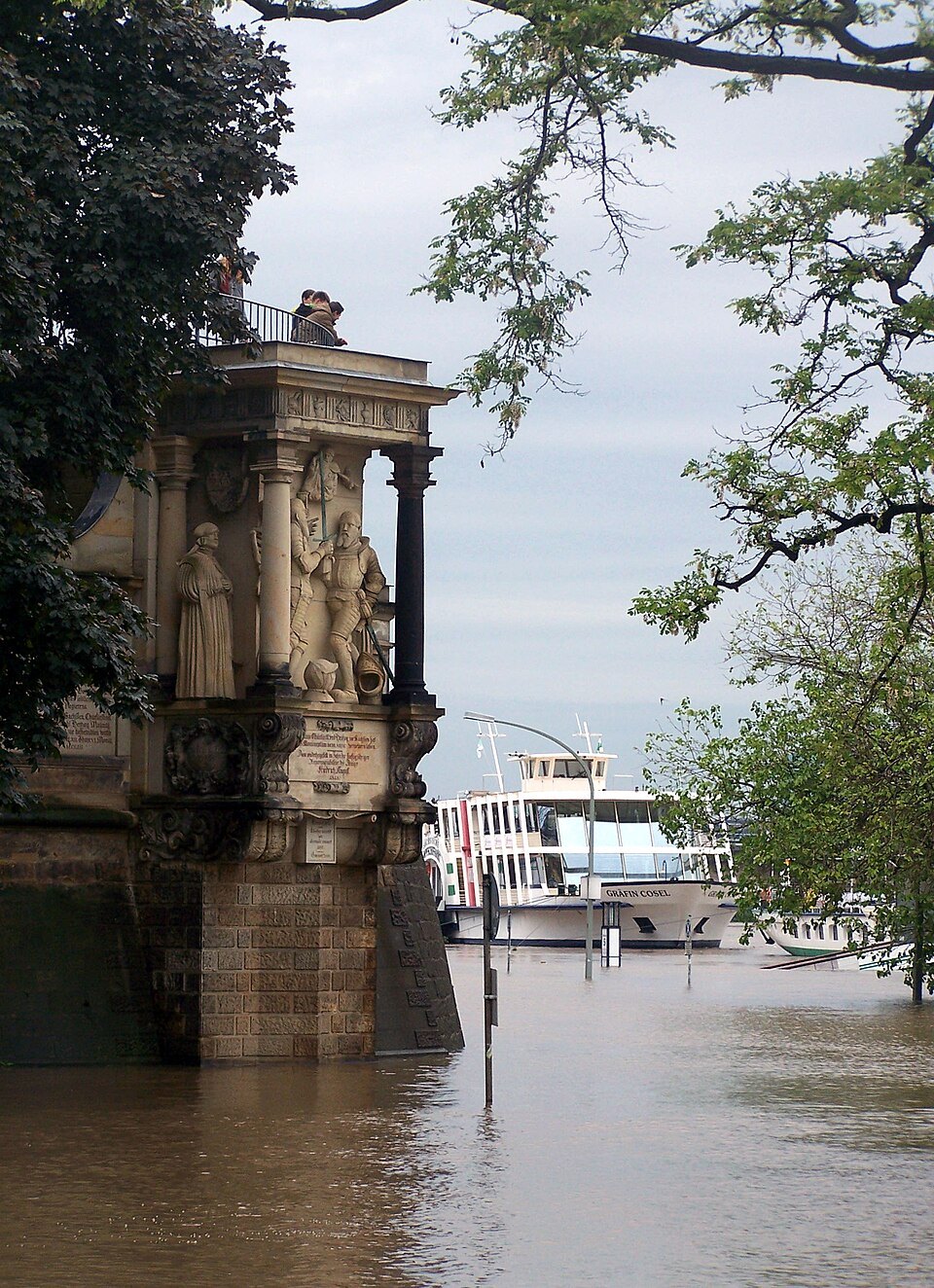
The Elbe floods when heavy rain falls over its catchment upstream. In August 2002 a storm system dropped more than 150 millimeters of rain within a day in the region, and on 17 August 2002 the river at Dresden reached more than nine meters, the highest level ever recorded there. The city's Elbe bridges were closed, water ran through the main station's concourse, the Semperoper and the Zwinger were damaged, and the art was carried to safety. The city festival was cancelled that year.
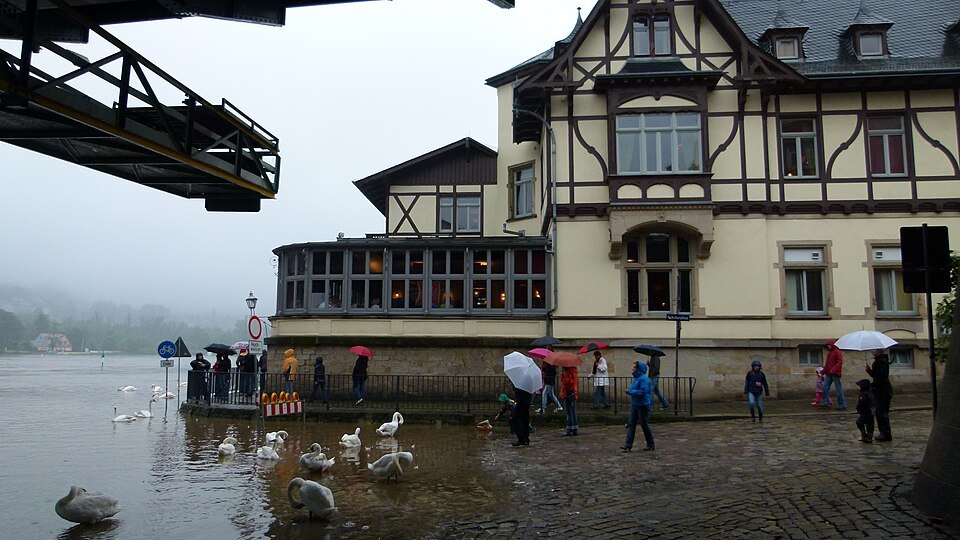
In June 2013 the river rose again, to just under nine meters, and flooded riverside districts such as Laubegast, Gohlis and Pillnitz; in Gohlis a dike breach forced about six hundred people from their homes. The green meadows through the center are the other half of the story: they are the flood plain, and the reason the city meets its river in grass rather than quays.
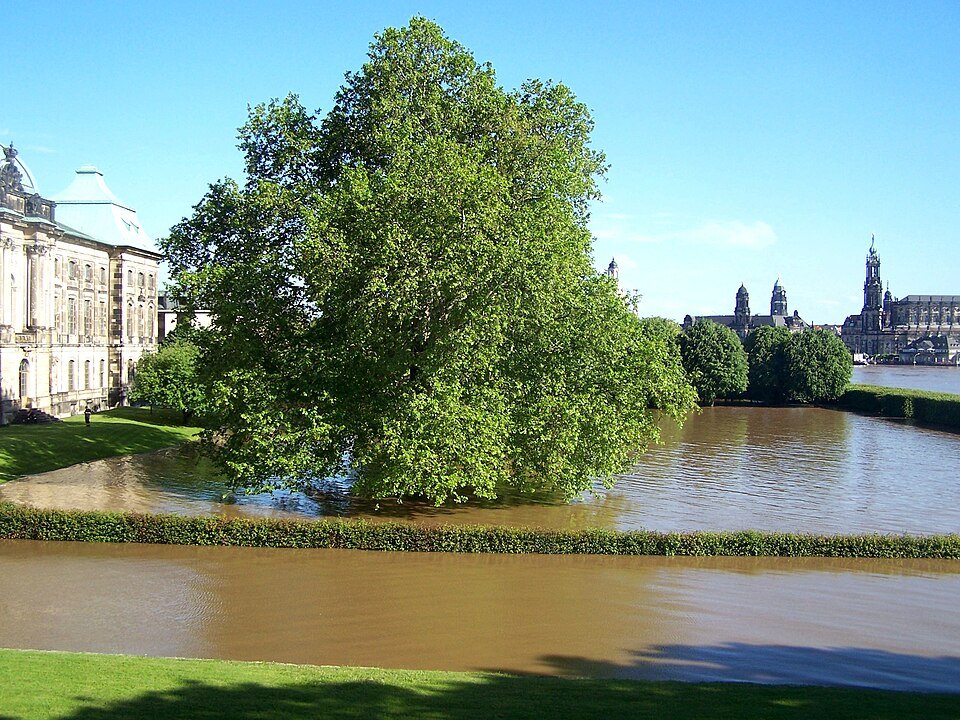
Note High water builds over days and is forecast well ahead, but it closes the riverside paths and can stop the steamers; in a very dry summer, low water can change the sailings too. If the Elbe looks high or low when you arrive, check the steamer operator before planning a boat trip.
06Advent and the Striezelmarkt
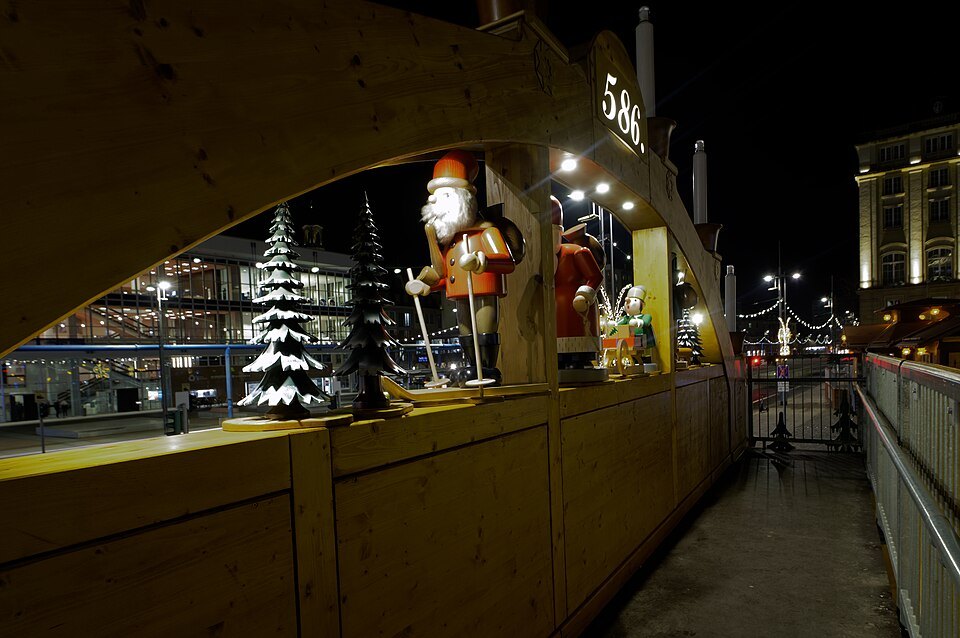
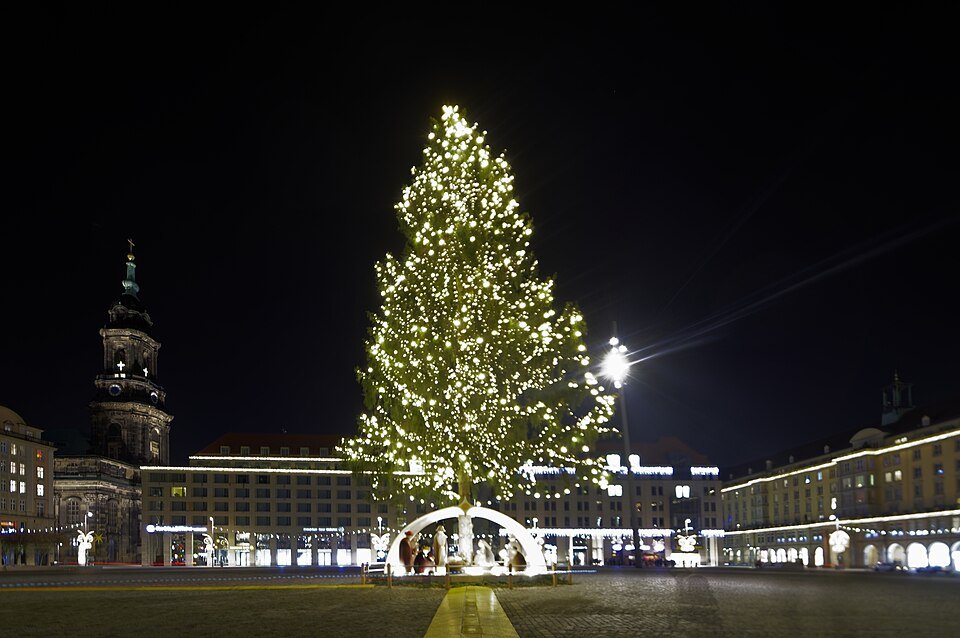
The Striezelmarkt on the Altmarkt, at the foot of the Kreuzkirche, was first recorded in 1434, under Elector Frederick II, as a one-day market held before Christmas, and it takes its name from Striezel, an old name for the stollen. Today it runs through Advent to Christmas Eve, under an Ore Mountains step pyramid almost fifteen meters tall, with a walk-through candle arch and the Pflaumentoffel, little chimney sweeps made of prunes, documented since 1801.
On the Saturday before the second Sunday of Advent comes the Stollenfest, held since 1994. It recalls the giant stollen of almost two tons that Augustus the Strong had baked for his great military camp at Zeithain in 1730. A procession of hundreds carries a giant stollen through the Altstadt, and it is cut with a knife more than one and a half meters long and sold in portions.
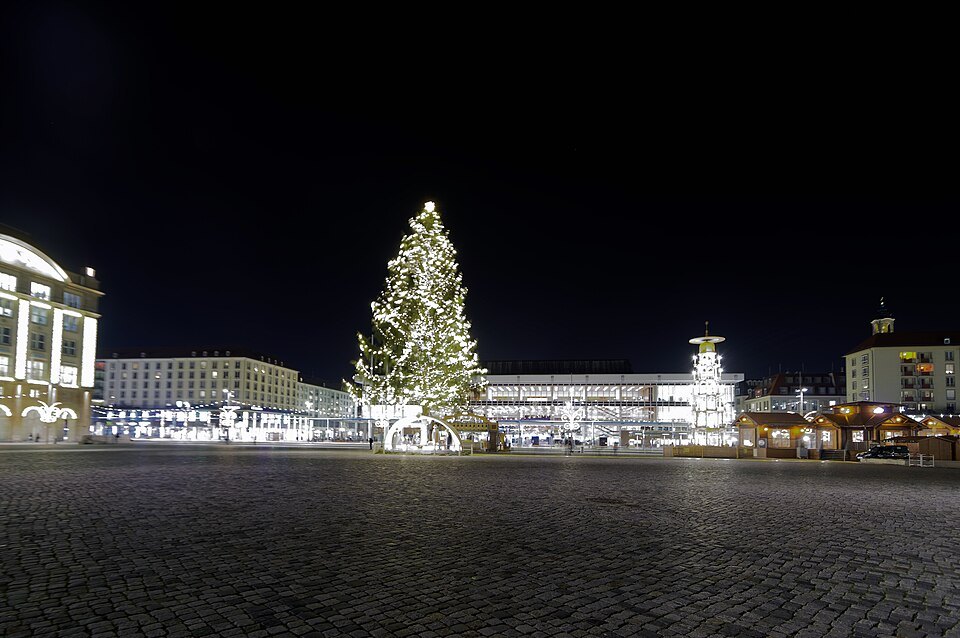
The city lists several other Advent markets. Advent auf dem Neumarkt, around the Frauenkirche, is built around historic crafts and church choirs; a medieval market fills the Stallhof inside the walls of the Residenzschloss, with jugglers and a public bathhouse; and across the river the Augustusmarkt stretches along the Hauptstraße from the Golden Rider, its pagodas a nod to the camp of 1730.
07Winter and 13 February
After Christmas the city goes quiet. January and February are cold and often gray, the paddle steamers do not run their regular sailings in the depth of winter, and the museums are the natural refuge — the Albertinum's Romantic painters suit the season well.
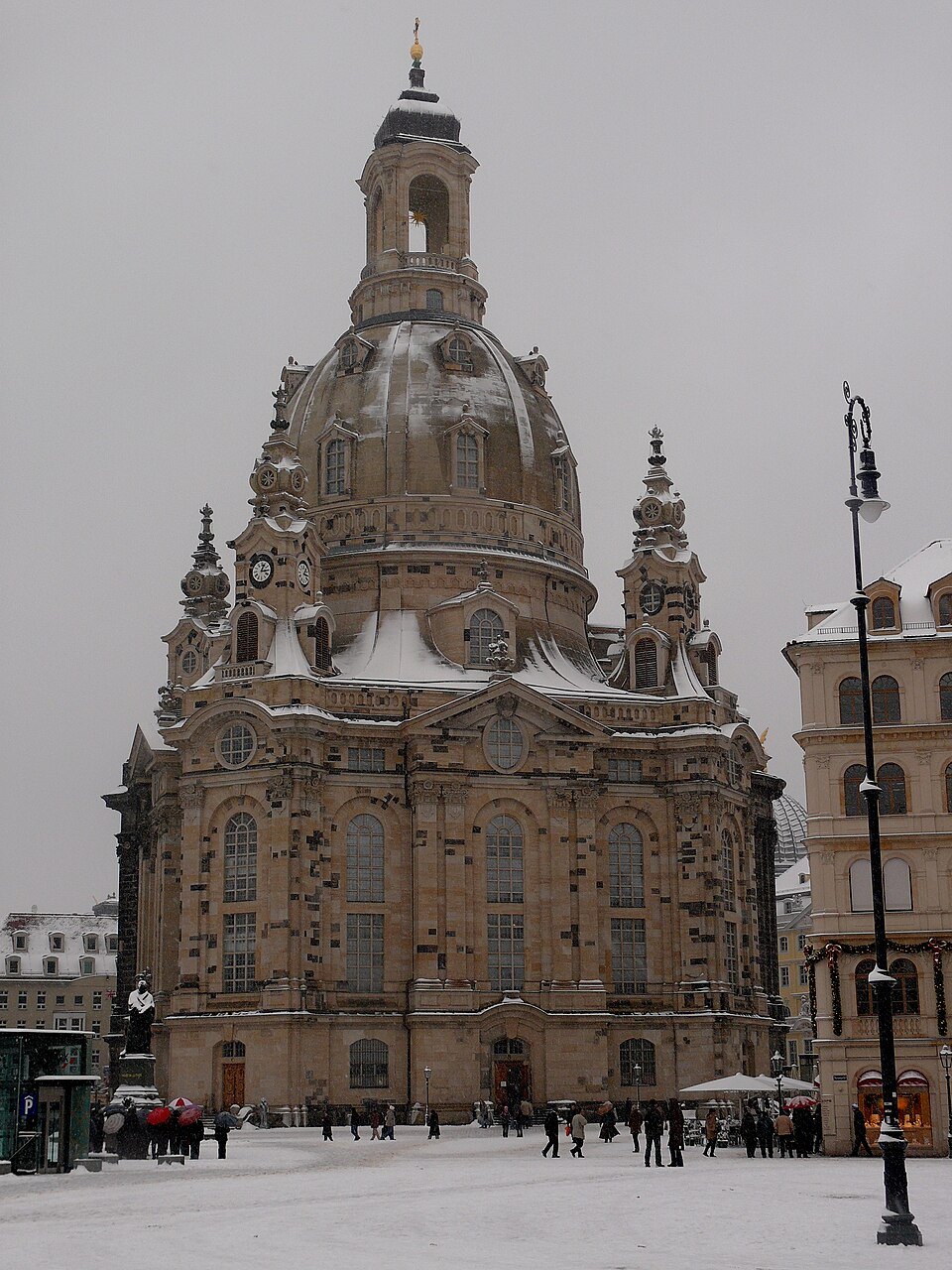
13 February is the anniversary of the raids of 13 to 15 February 1945, in which, by the estimate of a historians' commission set up by the city, up to twenty-five thousand people were killed. It is a day of remembrance, not a festival. From the early 1980s people gathered with candles at the ruin of the Frauenkirche.
Since 2010 thousands of residents and visitors have formed a human chain around the Altstadt on the anniversary, first organized partly in answer to far-right marches that tried to claim the day. It stands for peaceful remembrance and reconciliation; see the rebuilt city.
08What is shut, and when
Note The state museums each close one day a week, and not all on the same day, so a day planned around the palace, the Zwinger and the Albertinum needs checking against each museum's own calendar. The Frauenkirche closes to sightseers during services, concerts, weddings and rehearsals, which happen often; its calendar says when it can be visited.
Hotels fill first on Advent weekends, while the Striezelmarkt runs, and the Historic Green Vault admits a limited number of visitors on time slots in every season, so a room in December and a vault ticket at any time are the two things to arrange early — see booking ahead. For days arranged around all of this, see itineraries.