- 01A shop that is also a monument
- 02Clean milk for a growing city
- 03Inventions and a model employer
- 04The tiled room of 1892
- 05War, expropriation and rescue
- 06How to visit
01A shop that is also a monument
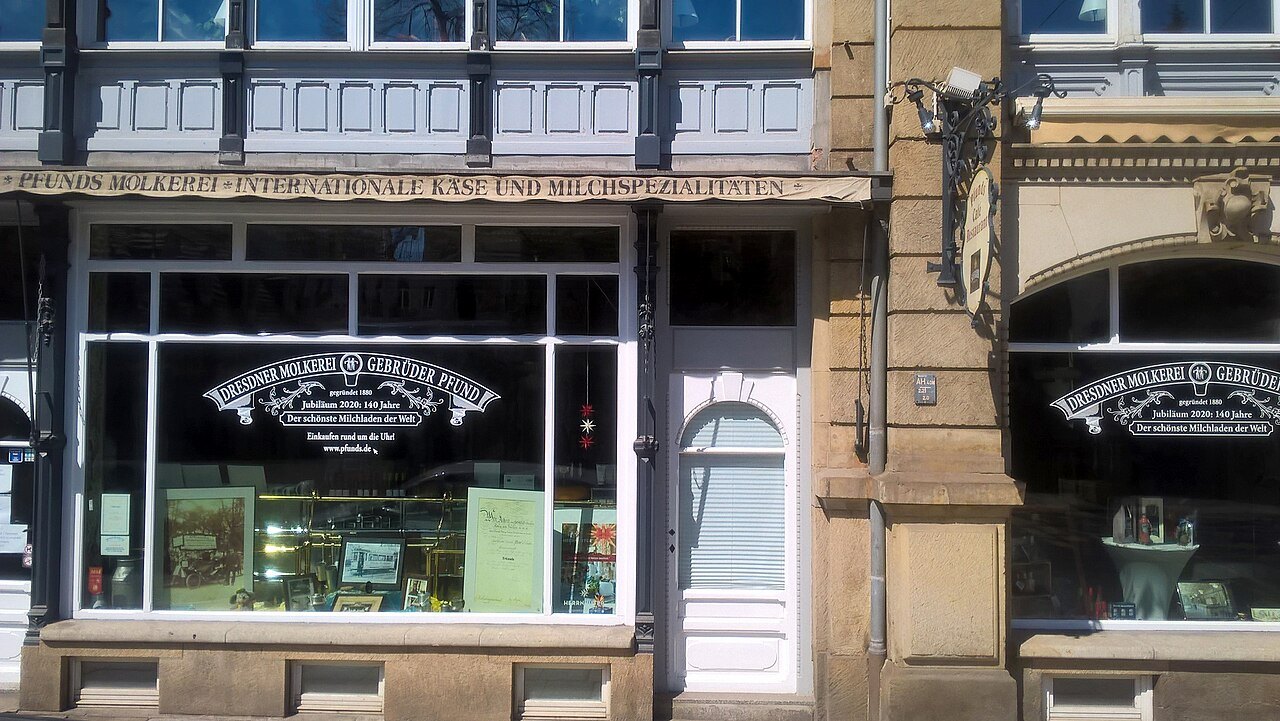
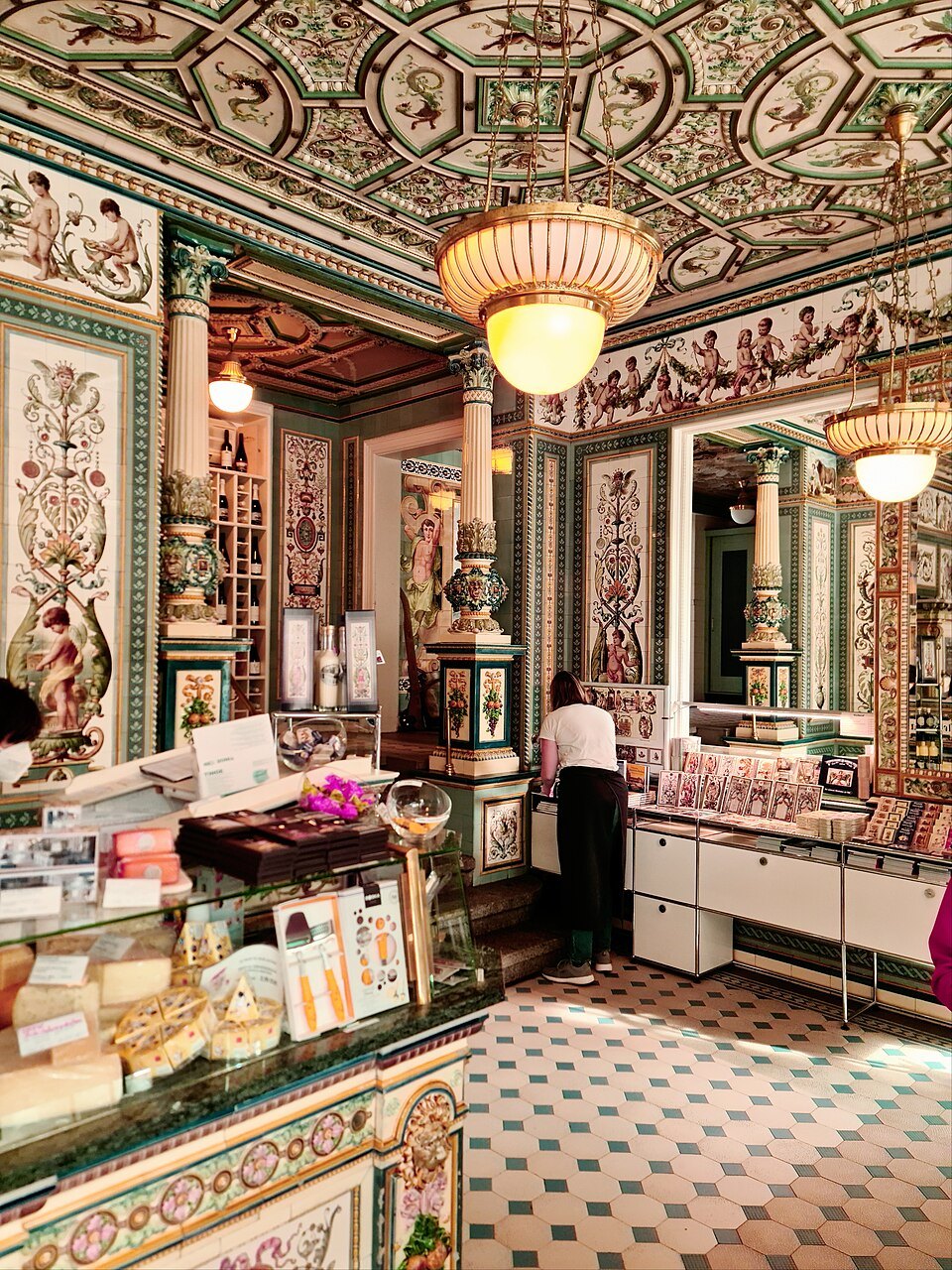
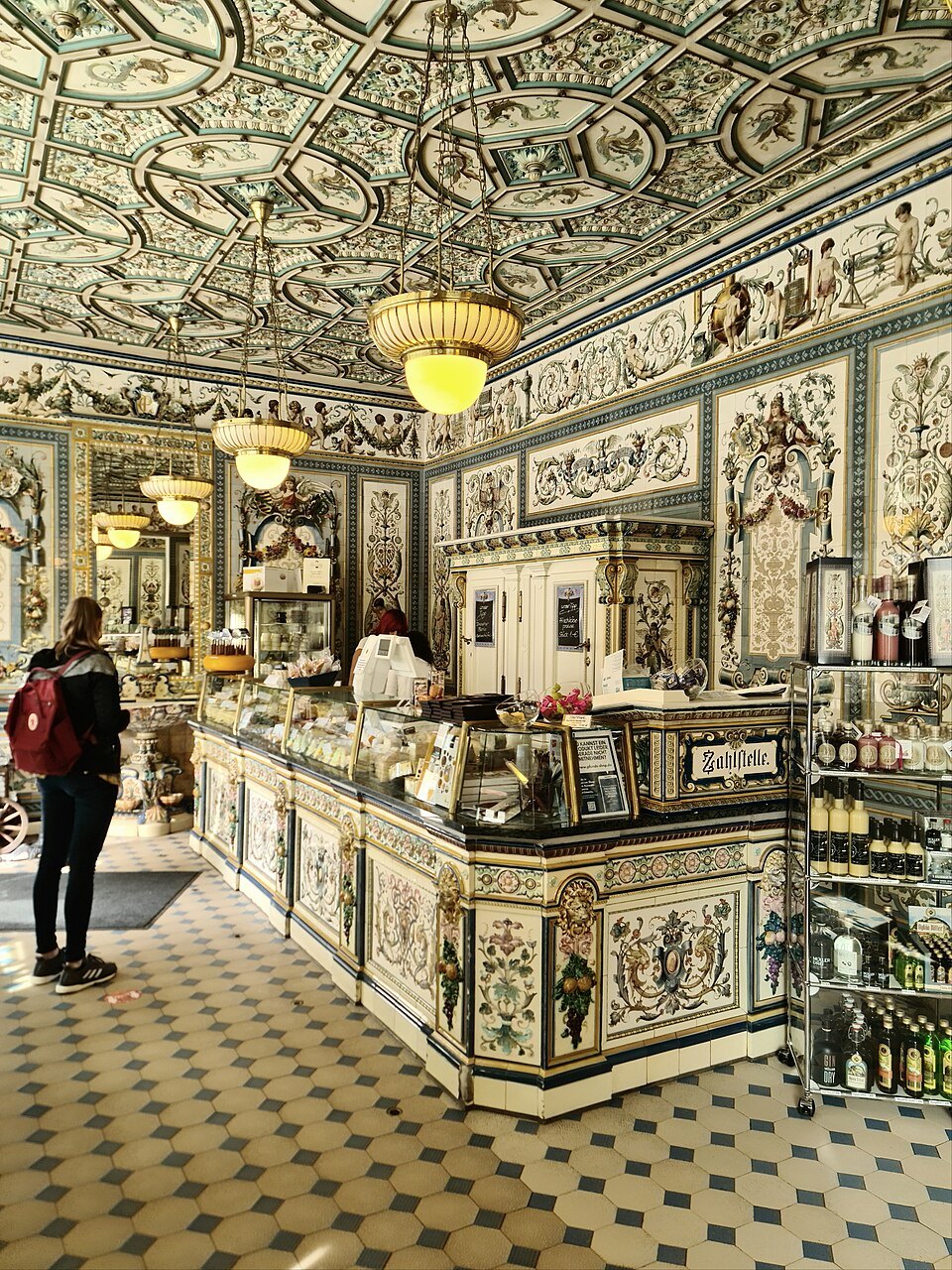
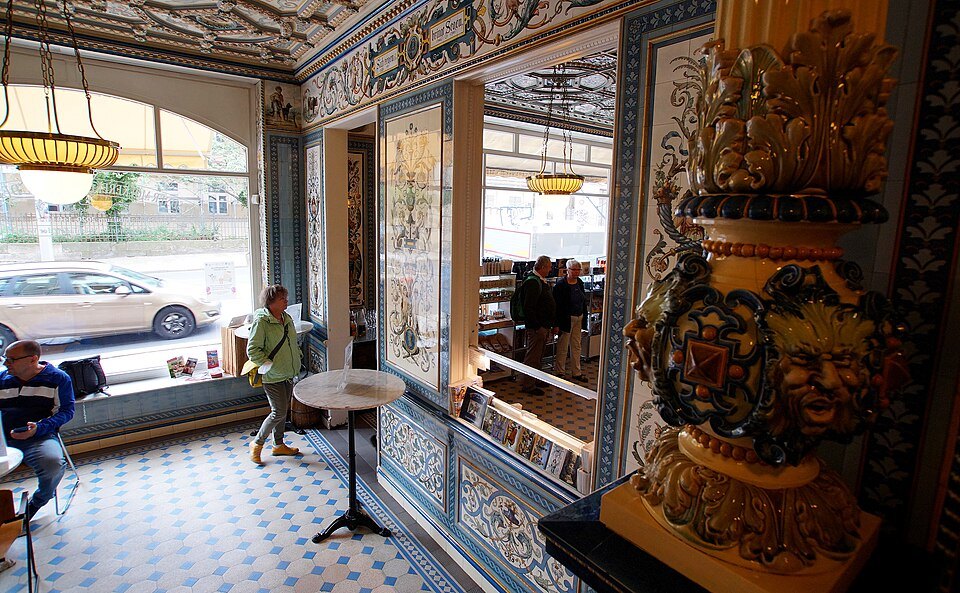
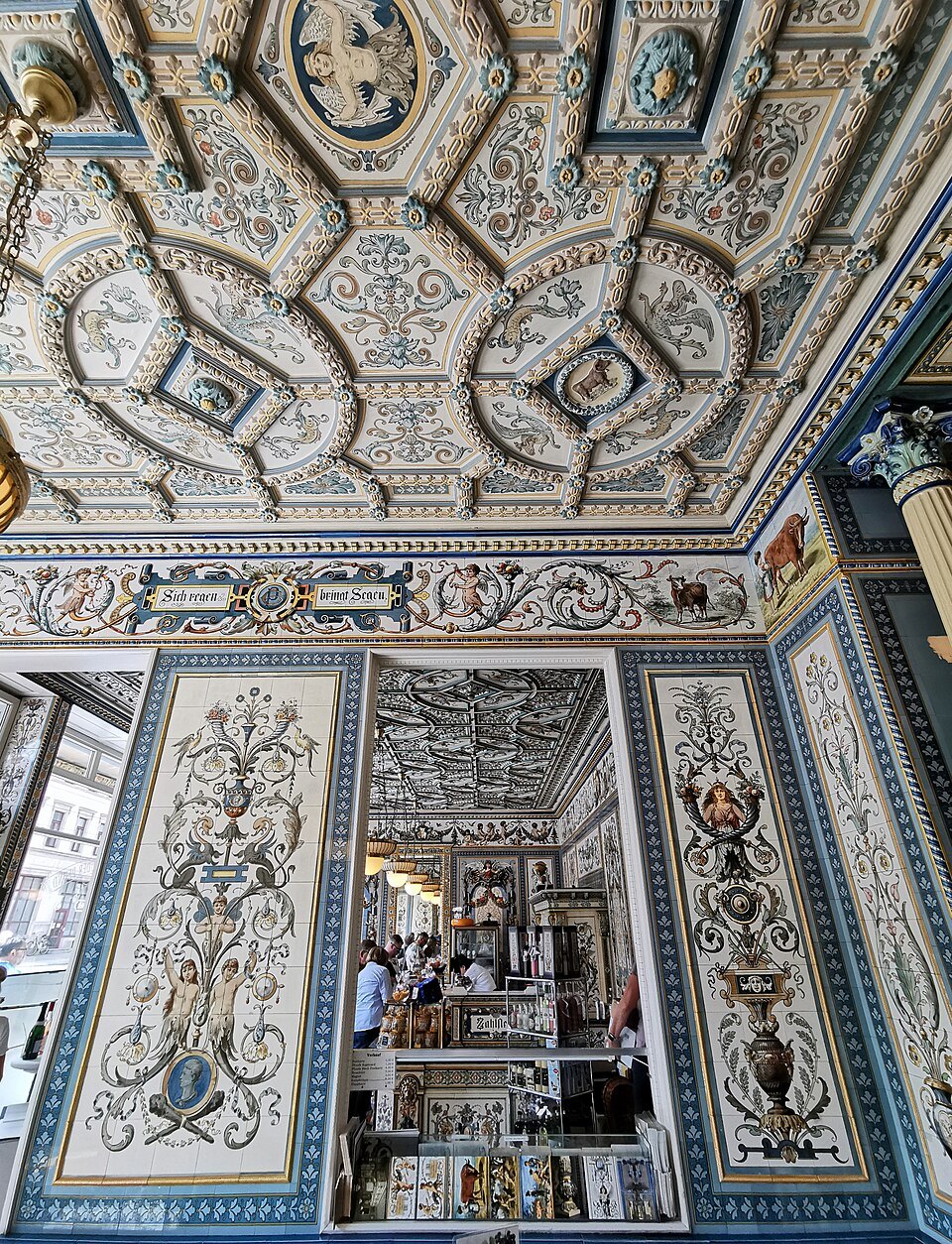
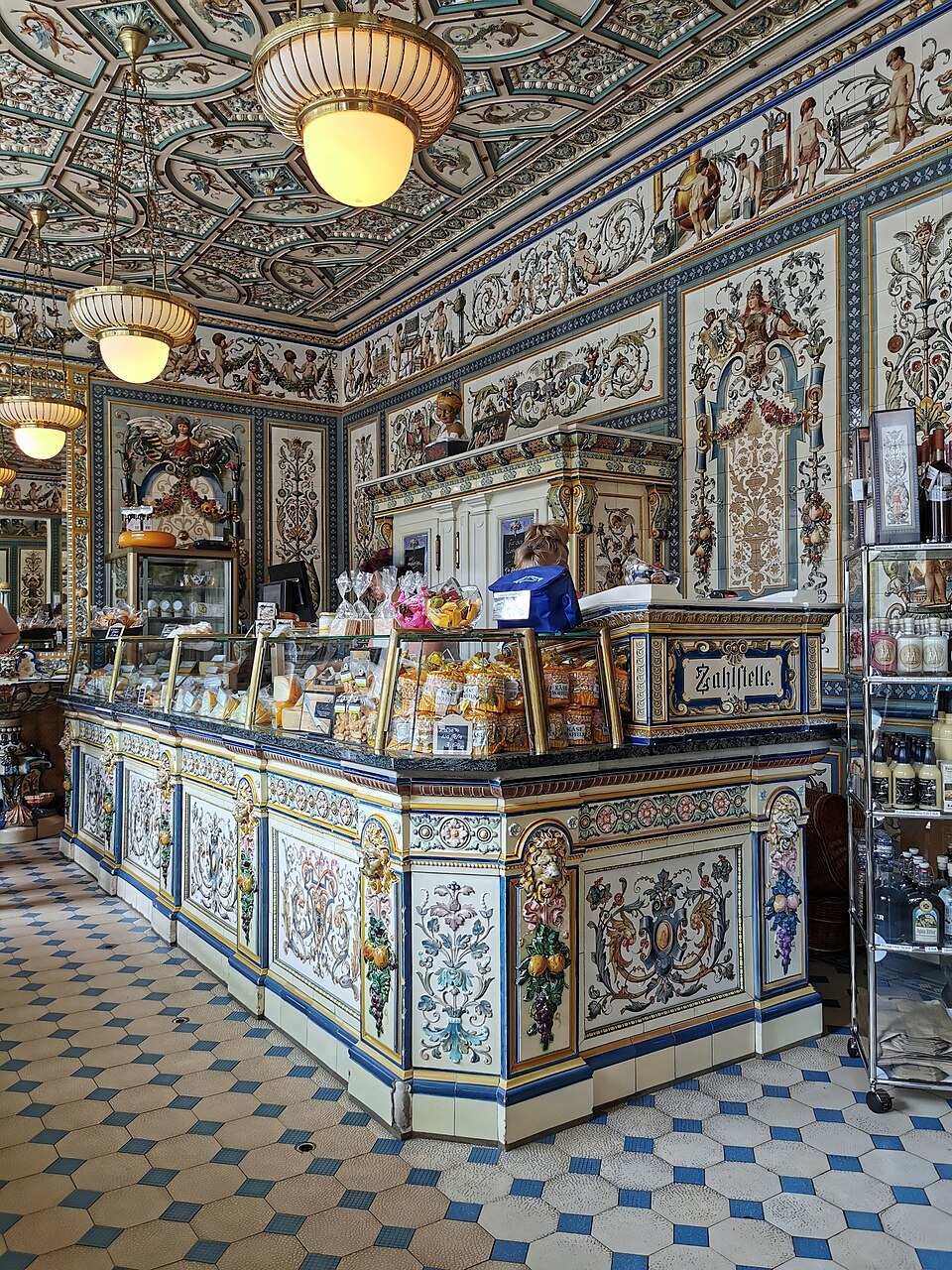
Pfunds Molkerei, properly the Dresdner Molkerei Gebrüder Pfund, is a dairy shop at Bautzner Straße 79 in the Äußere Neustadt. From the street it is a handsome late nineteenth-century building. Step inside and every surface of the salesroom is ceramic: the walls, the ceiling and even the floor are covered in colored, hand-painted tiles.
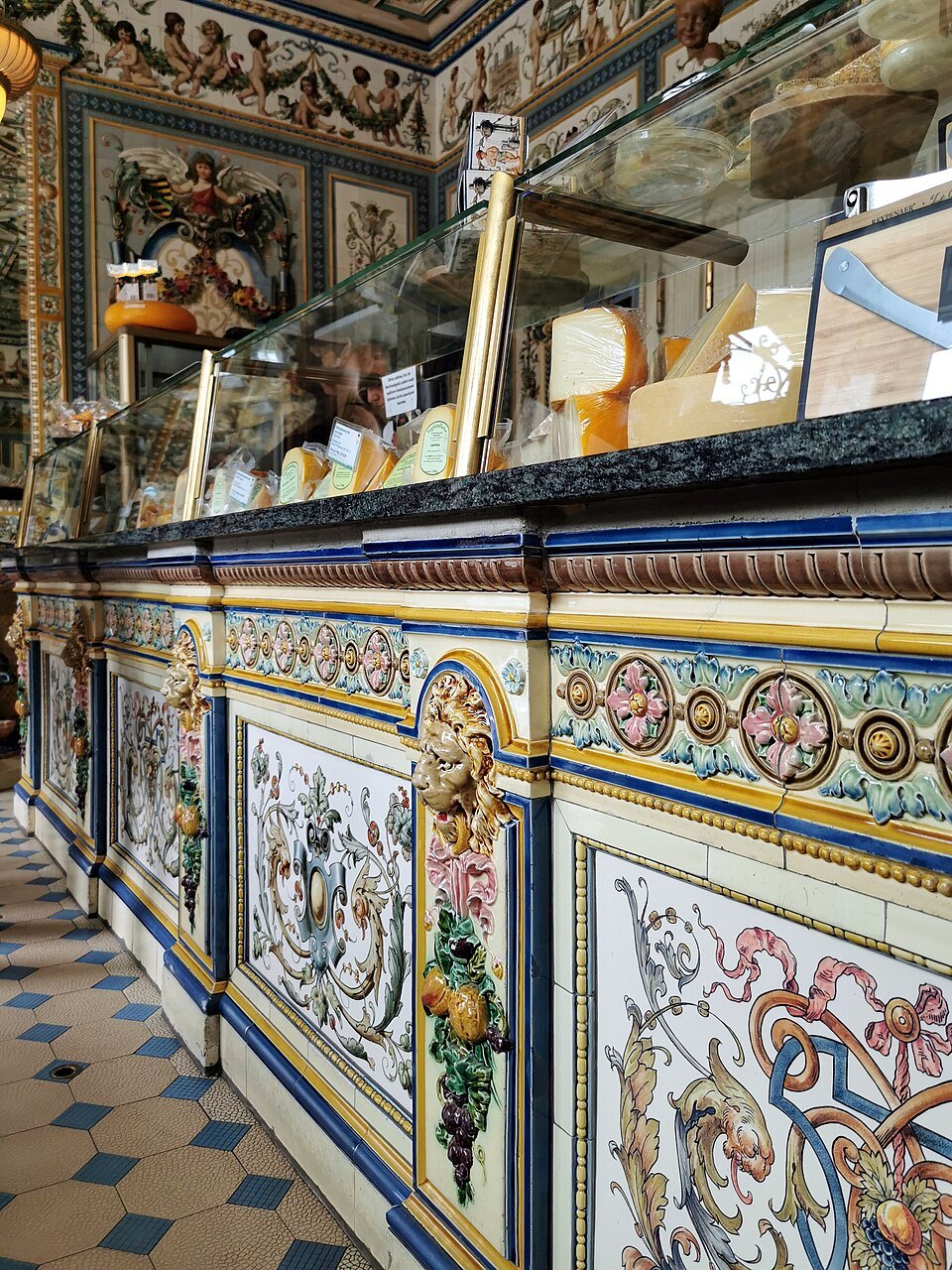
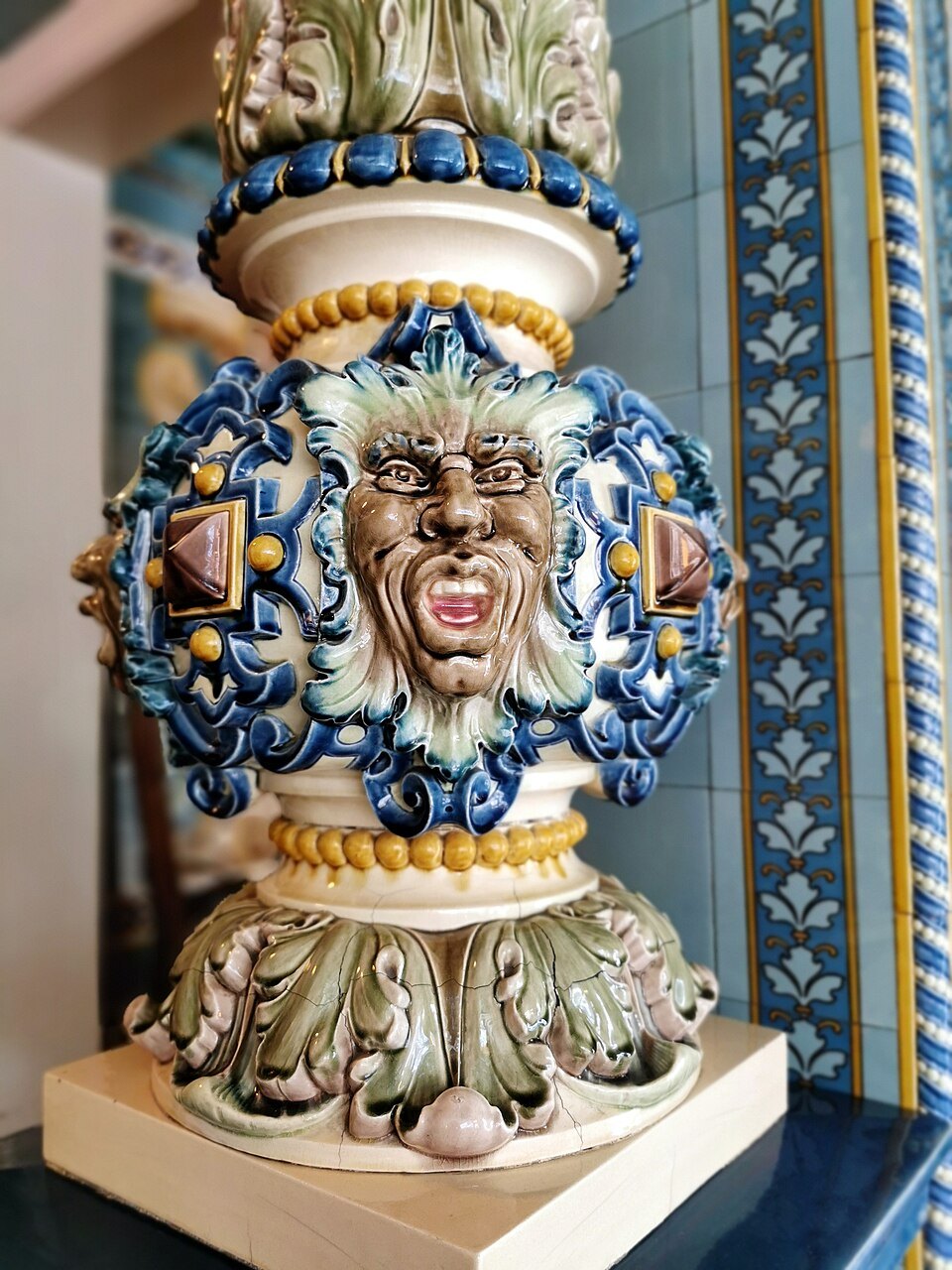
The tiles come from Villeroy & Boch, just under 248 square meters of them. In November 1997 the Guinness Book of Records listed the room as the most beautiful dairy shop in the world. It is a protected monument and still a working shop, and the owners state that a visit costs nothing and needs no purchase.
02Clean milk for a growing city
The founder, Paul Gustav Leander Pfund (1849–1923), was a farmer from Reinholdshain who moved to Dresden in June 1879 with his family, six cows and some pigs. The industrial city was growing fast, and milk often reached households dirty, watered down or sour.
Pfund set up a milk shop in the Waldgasse, today's Görlitzer Straße, where customers could watch the cows being milked. In 1880 his brother Friedrich Pfund, who had made his name as a character actor before health problems forced him off the stage, joined the business, and the firm took the name Gebrüder Pfund.
It moved to larger premises on Bautzner Straße and grew quickly: a second shop opened on Postplatz in 1883, run by Paul's wife Mathilde, a milk bar followed in 1893 at the Großer Garten, and a branch was later set up in Bohemia. The company's own history puts the milk handled at 500 liters a day in the founding year and 40,000 liters by 1895; German Wikipedia gives about 60,000 liters a day in the 1930s.
03Inventions and a model employer
Pfund had more milk than Dresden could drink, so he became the first in Germany to produce condensed milk, which opened markets abroad. The firm also made infant food and a milk soap for sensitive skin, and the physician and microbiologist Walther Hesse encouraged the introduction of pasteurization at the dairy.
The company kept its own workshops, from a box factory and a print shop to a smithy for its horses. In 1890 Pfund introduced a health insurance fund for employees, and long-serving staff who retired received support for life. There were company flats, a festival hall and a kindergarten.
04The tiled room of 1892
The representative main building at Bautzner Straße 79 went up in 1891. The motifs for the salesroom were worked out with Villeroy & Boch, following ideas of Paul Pfund in collaboration with Dresden artists, and the tiles were then painted by hand. The finished shop opened in the autumn of 1892.
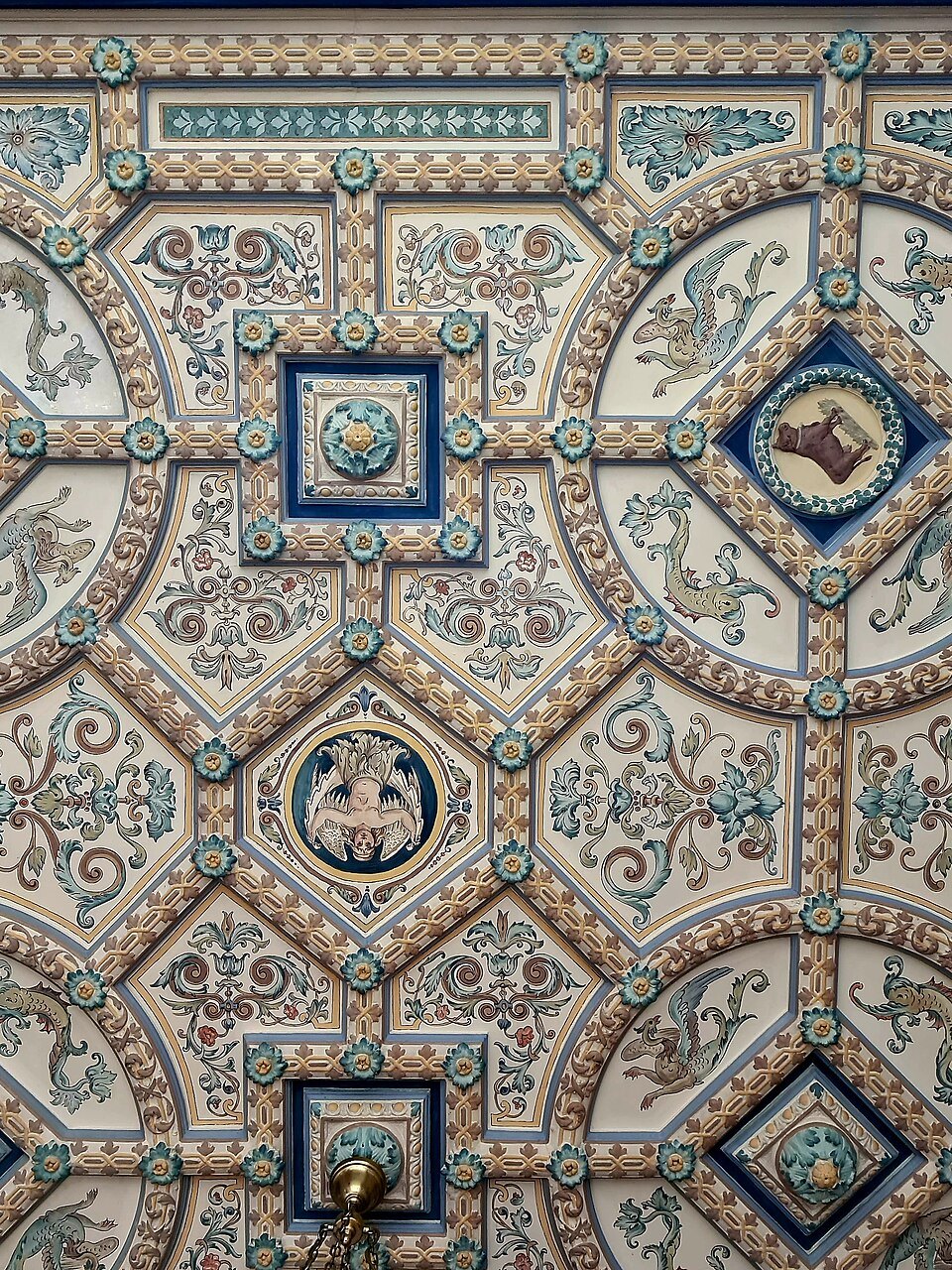
Stand in the middle and read the room slowly. There are children at play, butterflies and squirrels, broad landscapes with grazing cows, fabulous creatures, angels and putti, framed in ornament in the neo-Renaissance manner and set with painted mottos. The tiling runs over the counters as well as the walls, so the cheese counter itself is part of the decoration. Outside, look for the enameled advertising sign on the facade and the old company lettering in the window, reminders that this was the flagship of a much larger business.
05War, expropriation and rescue
In the air raids of 13 and 14 February 1945 the firm lost 35 of its shops across the city, but the main building on Bautzner Straße came through both world wars untouched. Because it served the food supply, the dairy was allowed to keep operating after the war.
On 1 May 1972 the East German state expropriated the company, which became a state enterprise; production stopped in the late 1970s, and much of the production site was later demolished. The tiled room survived thanks to Johanne Elisabeth Pfund, who had already asked the monument authorities to protect it in 1966. According to German Wikipedia, the ornate tiles were seen as out of step with socialist times, and listing kept the room from being destroyed.
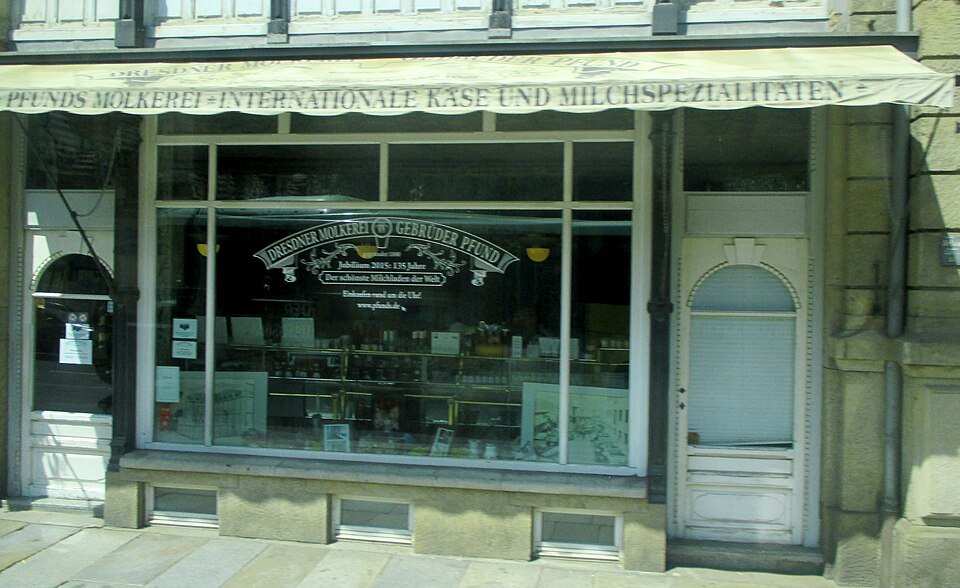
After reunification the heirs regained their rights in 1990, and the shop passed into private hands, was restored and reopened in 1995 under its founding name. Only about five percent of the tiles had to be replaced; Villeroy & Boch made the missing pieces at its works in Mettlach.
06How to visit
The room is small, so it can feel crowded when several groups arrive together; allow a quarter of an hour to look properly, more if the shop is busy. The shop's own guidance says souvenir photographs are welcome as long as they do not get in the way of other visitors or staff. Pets are not allowed inside, as it is a food shop.
From the center, take the tram to the Pulsnitzer Straße stop, about five minutes' walk away. The shop is in the heart of the Neustadt's evening streets; combine it with the courtyards of the Kunsthofpassage and a walk down to the Elbe, a few minutes away — see neighborhoods.