- No. 1Galerie Neue MeisterRomanticism to the present
- No. 2Caspar David Friedrichwhere the tour begins
- No. 3Otto Dix's War triptychpainted 1929 to 1932
- No. 4Skulpturensammlungsculpture from Rodin on
- 01Two centuries of art on the terrace
- 02From arsenal to museum
- 03The flood and the ark
- 04The painting galleries
- 05Sculpture from Rodin on
- 06Planning a visit
01Two centuries of art on the terrace
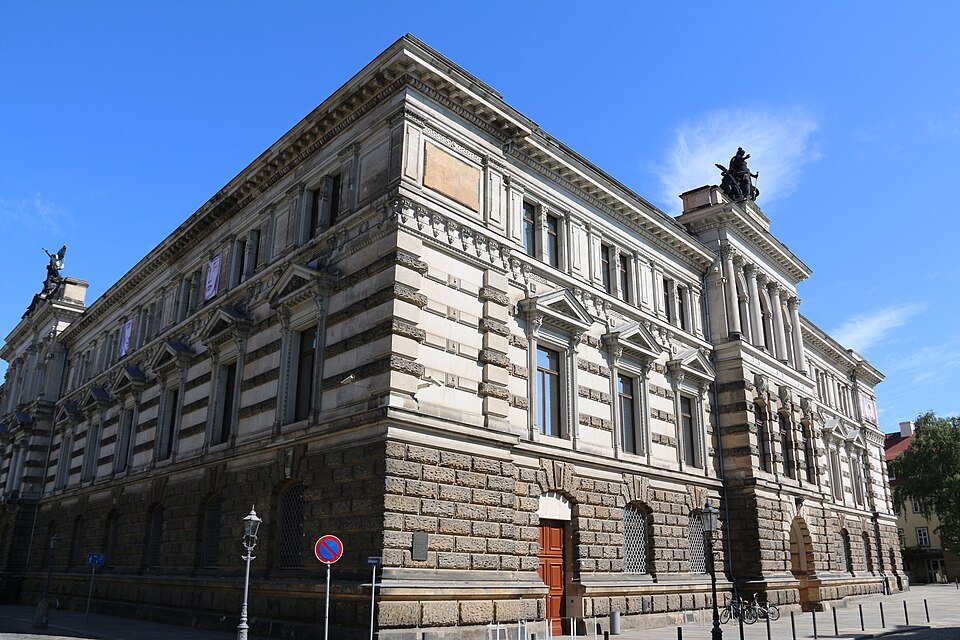
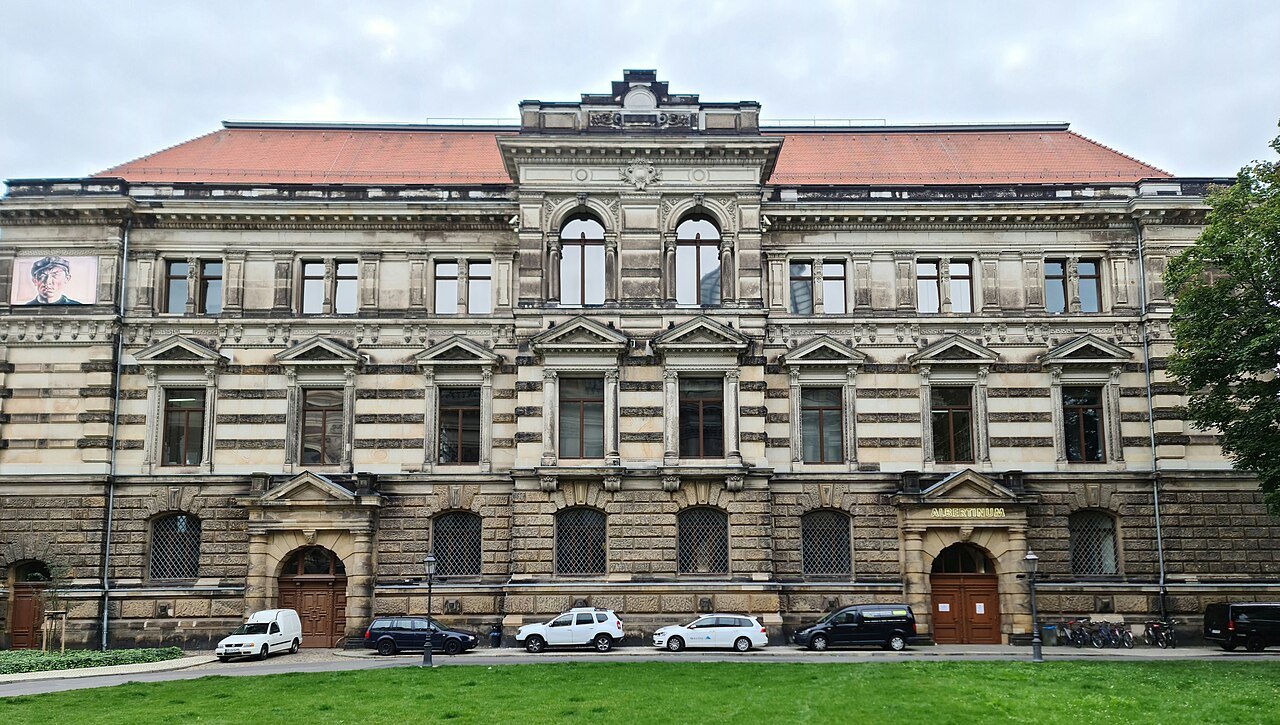
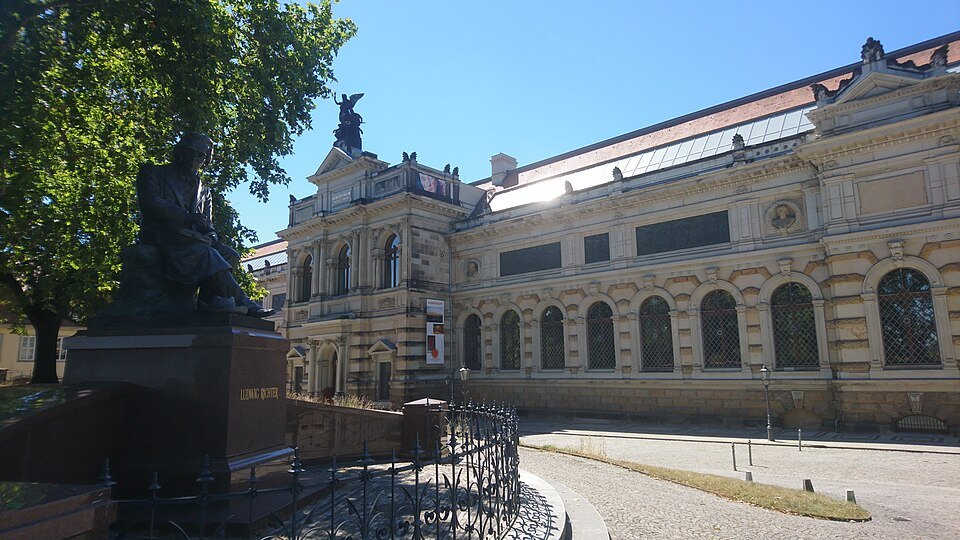
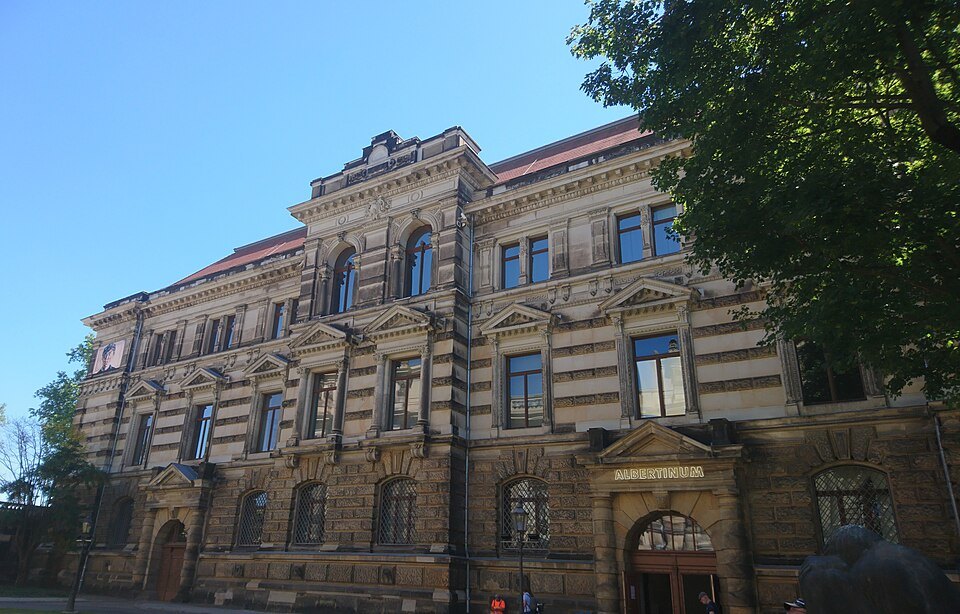
The Albertinum stands at the eastern end of Brühl's Terrace, a sandstone palace of the 1880s named after King Albert of Saxony. It holds two museums of the Dresden State Art Collections: the Galerie Neue Meister, painting from the nineteenth century to the present, and the Skulpturensammlung from 1800 onwards.
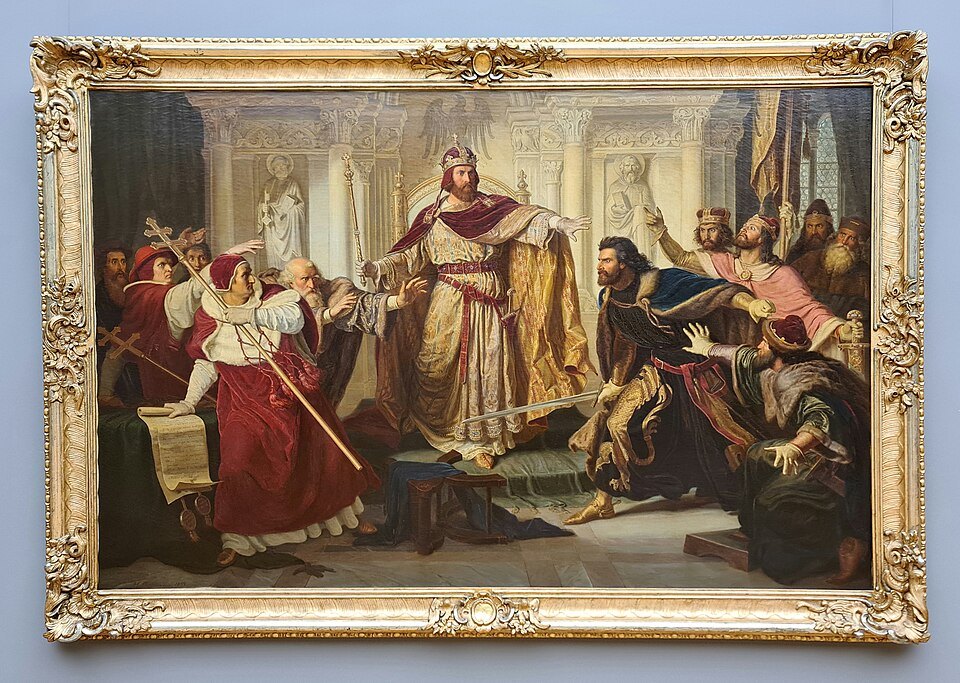
Where the Zwinger shows the old masters, the Albertinum picks up the story with Romanticism and carries it through some two hundred years. It is the place in Dresden for Caspar David Friedrich, for Otto Dix's great painting of the First World War, and for rooms given to Gerhard Richter, all in a building that was remade after the Elbe came into its cellars.
02From arsenal to museum
The core of the building is an arsenal, the Zeughaus, built between 1559 and 1563 for Elector August to designs by Caspar Vogt von Wierandt; it was soon counted among the largest in Europe. Prussian troops plundered it during the Seven Years' War but left the building standing. When a new arsenal opened in the Albertstadt in 1877 — today the Military History Museum — the old one lost its purpose.
In 1884 the Saxon parliament decided to house the sculpture collection and the state archive here. Carl Adolph Canzler gave the old walls sandstone fronts modeled on the Italian High Renaissance, and the collection moved in during the late 1880s. Under the archaeologist Georg Treu it bought directly from Auguste Rodin and Constantin Meunier, and around 1900 it was regarded as a model museum of the history of sculpture.
The raids of February 1945 burned out the upper floor, the roof and the main staircase. After the war the building took in the Green Vault, the Coin Cabinet and other homeless collections, and in 1965 the modern paintings moved in. They had already suffered: the Nazis seized 56 important works as "degenerate art", and 196 paintings burned on a truck during the 1945 raids.
03The flood and the ark
The Elbe flood of August 2002 badly damaged the basement vaults and the stores kept there, and not only the Albertinum's. The museum closed in 2006 for a rebuilding by the Berlin architects Staab. Their answer was an ark for the art: a steel truss seventy-two meters long, spanning the former inner courtyard like a bridge seventeen meters above the ground, resting on a lift shaft and two piers.
Inside the ark are two new floors of flood-proof stores and restoration workshops, and the historic building around it was left untouched. The courtyard beneath has become a covered hall, lit by daylight through a gap left along its edges, and a new entrance opened on Georg-Treu-Platz beside the old one on the terrace. The museum reopened in June 2010.
04The painting galleries
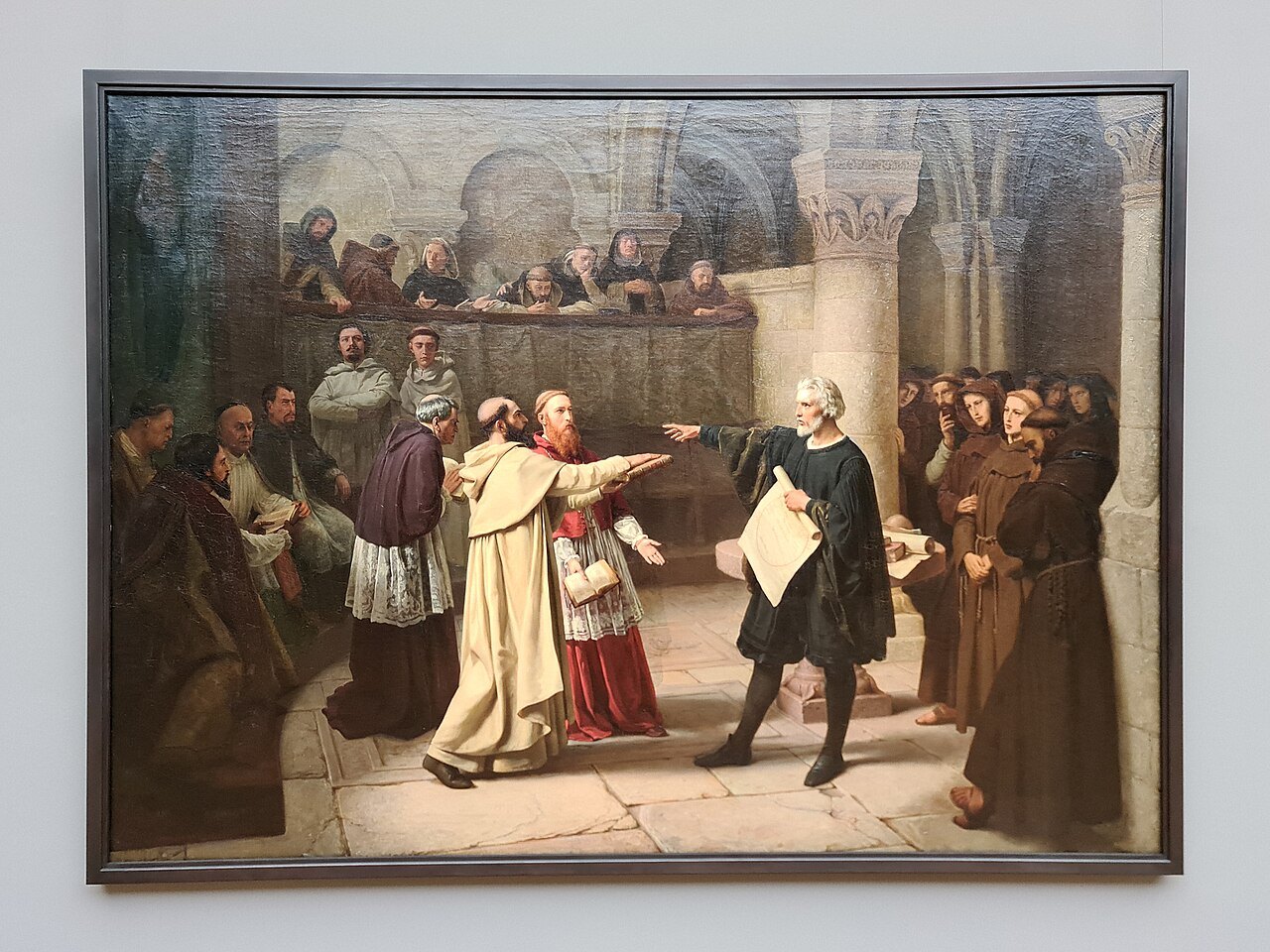
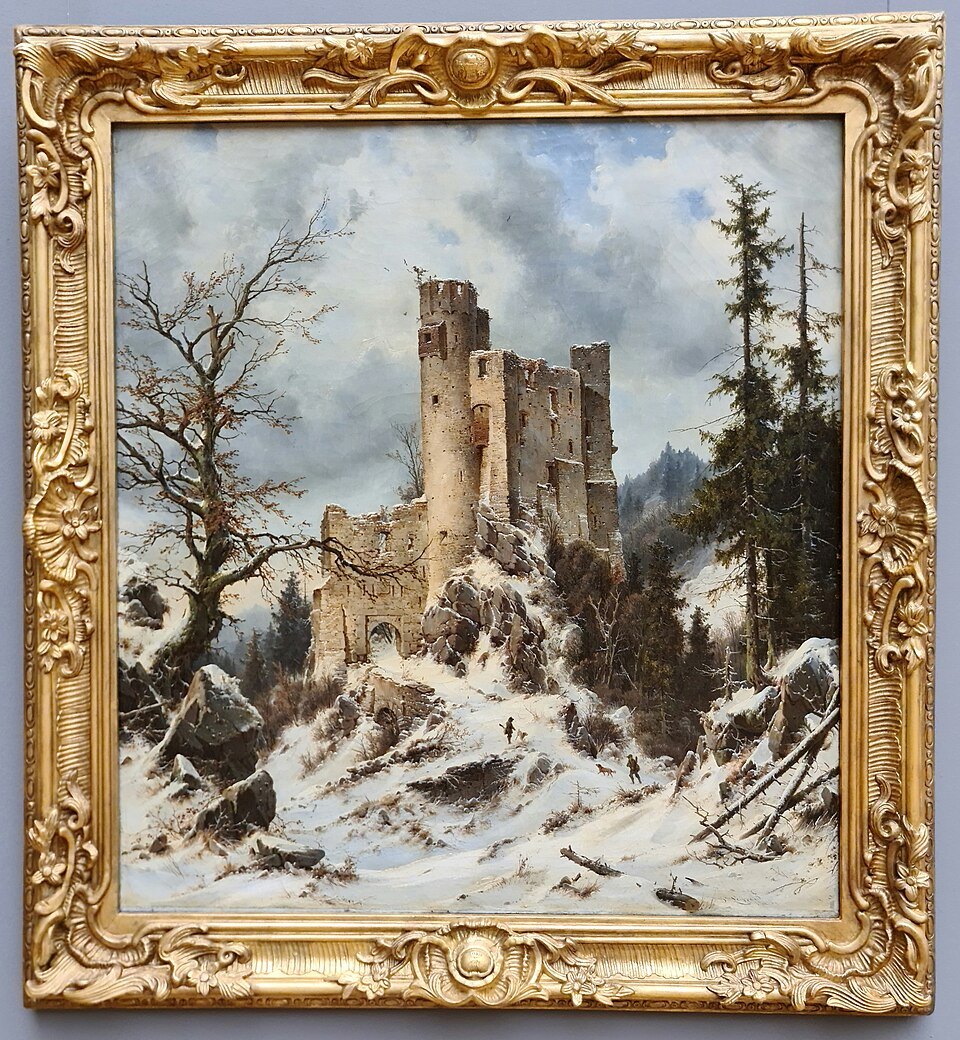
The tour of the Galerie Neue Meister opens with Caspar David Friedrich (1774–1840). The collection includes his Cross in the Mountains of 1808, the Tetschen Altar, whose gilded frame he designed himself; The Great Enclosure near Dresden of 1832; and Two Men Contemplating the Moon. Around him hang the other Romantics, among them Carl Gustav Carus, Johan Christian Clausen Dahl and Ludwig Richter.
Give time to Otto Dix's War, a triptych painted between 1929 and 1932 in the manner of an old altarpiece. Its center shows a destroyed landscape strewn with the dead, the left wing soldiers marching out into the fog, and the right wing survivors coming back; the man helping a comrade there is Dix himself. Below, in the predella, a row of soldiers lies asleep or dead.
Between the two, the rooms follow the century: French and German Impressionists such as Claude Monet, Edgar Degas, Max Liebermann and Max Slevogt, then Ernst Ludwig Kirchner and Karl Schmidt-Rottluff of the Dresden artists' group Brücke. The tour ends with Gerhard Richter, who has his own rooms, as do A. R. Penck and Georg Baselitz; the collection also includes Vincent van Gogh, Paul Gauguin, Edvard Munch and Paula Modersohn-Becker.
05Sculpture from Rodin on
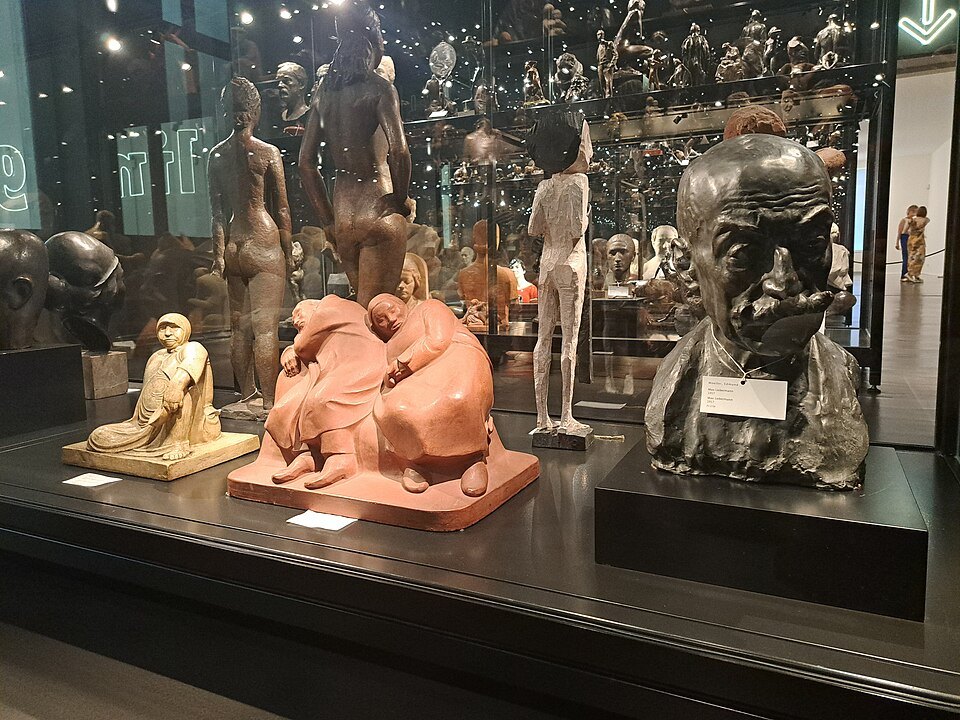
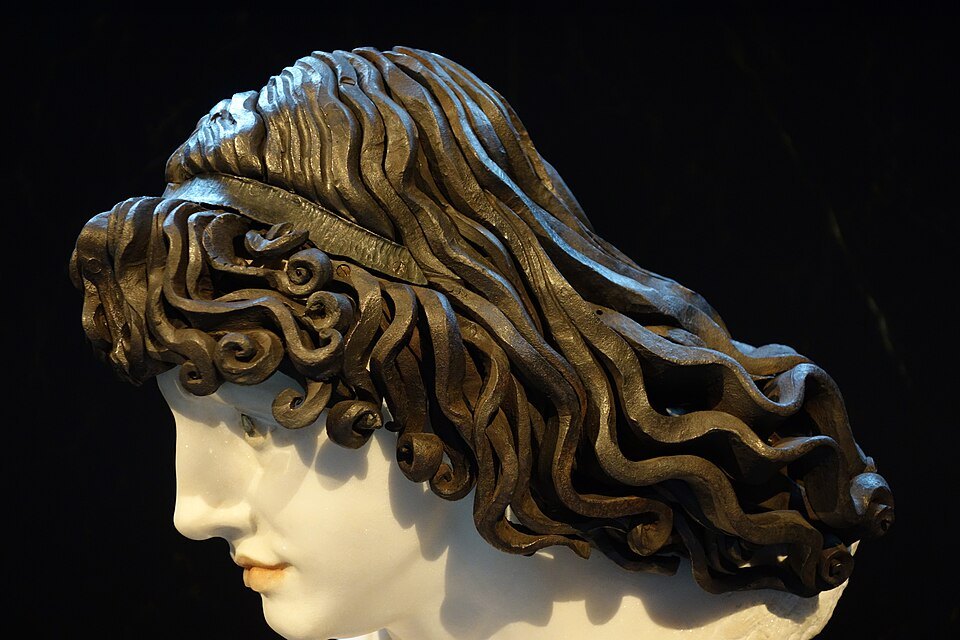
The Skulpturensammlung from 1800 onwards begins with Auguste Rodin. In the sculpture hall, East German sculptors such as Wieland Förster, Werner Stötzer and Hermann Glöckner are set in dialogue with Wilhelm Lehmbruck, Rodin and Fritz Wotruba; Lehmbruck's Kneeling Woman, seized by the Nazis, was bought back from the United States in 1993.
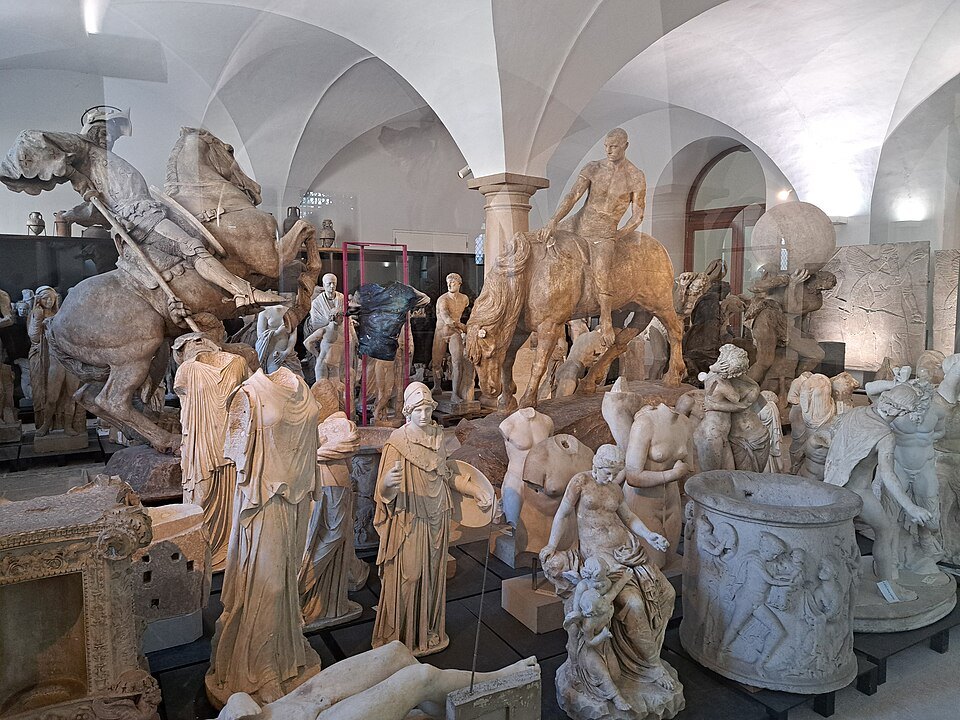
The original models of Ernst Rietschel, the leading Dresden sculptor of the nineteenth century, can be seen here too; he was the sculptor of the Goethe and Schiller monument in Weimar. Glass show depots bring stored pieces into view, among them a statue after Michelangelo's David more than five meters tall. The ancient sculpture moved in 2020 to Semper's building at the Zwinger.
06Planning a visit
Allow about two hours for the painting floor and the sculpture halls. The state museums do not all close on the same day of the week, so check before you plan — see itineraries. Special exhibitions of contemporary art have their own space in the Salzgasse wing.
The Albertinum is a short walk from the Frauenkirche and the Neumarkt, and its terrace entrance puts the river views of Brühl's Terrace right outside. Across Georg-Treu-Platz, the art academy's exhibition hall under the dome nicknamed the lemon squeezer shows contemporary art. Friedrich's drawings belong to the Cabinet of Prints, Drawings and Photographs in the Residenzschloss, which shows its holdings in changing exhibitions.