Caspar David Friedrich is the painter most people picture when they imagine German Romanticism: a lone figure facing a vast, indifferent landscape, fog rolling over mountains, moonlight on water. He did not paint all of that in Dresden, but he lived and worked in the city for most of his adult life, and Dresden shaped almost everything he made. If you want to understand why this quiet, melancholy painter became one of the most influential artists of the nineteenth century, the city itself is still part of the answer.
Friedrich's Dresden
Friedrich moved to Dresden at the end of the eighteenth century and stayed, with trips elsewhere, for the rest of his career. He trained and later taught at the city's art academy, kept a studio with views toward the Elbe, and walked the riverbanks and surrounding hills constantly. Contemporaries described him as reserved, even severe, prone to working in silence and painting from memory rather than directly from nature — he made sketching trips into the countryside, then composed his canvases later in the studio, arranging light and landscape into something more symbolic than documentary.
The river mattered to him more than any single building. The Elbe running through the city, with its changing light and wide sky, appears again and again in his work, sometimes transposed into other settings, sometimes recognizably Dresden. The hills and sandstone cliffs beyond the city, now visited as a day trip to Saxon Switzerland, gave him the dramatic outcrops and fog-filled gorges that turn up throughout his best-known paintings. Friedrich rarely painted grand historical scenes or portraits of the powerful; he painted backs turned to the viewer, crosses on hilltops, ruined abbeys, and the sense of a person standing very small in front of something much larger. That sensibility, developed and refined in Dresden, became the visual language people now call Romantic.
Where to see his paintings today
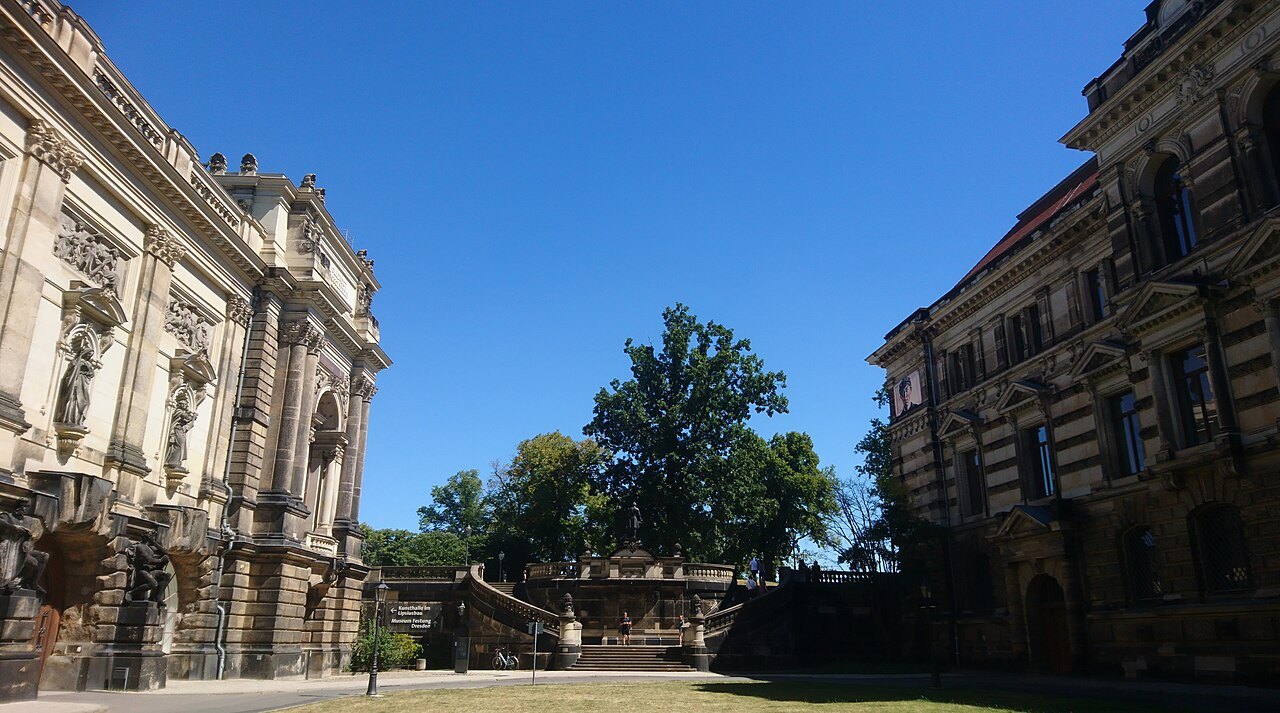
The main place to see Friedrich's work in Dresden is the Galerie Neue Meister, housed inside the Albertinum. The collection there includes significant paintings from across his career, giving a far fuller sense of his range than any single famous image can. Expect quiet, contemplative canvases: figures with their backs to the viewer gazing at the moon, isolated crosses on wooded hills, boats on calm water under enormous skies. These paintings reward slow looking rather than a quick pass — Friedrich built his compositions around long sightlines and subtle gradations of light, and much of the effect is lost if you only glance.
Go when you have time to sit with two or three paintings rather than trying to see the whole gallery in one sweep. Friedrich's work is not loud, and it is easy to walk past it in a museum built for larger, more dramatic canvases from other periods. The Albertinum's upper-floor galleries are usually calmer than the ground floor, so plan your visit accordingly and check current opening information before you go, since gallery arrangement and loans do change.
Note Friedrich's single most famous painting, Wanderer above the Sea of Fog, is not in Dresden — it hangs in Hamburg. Visitors sometimes arrive expecting to find it here and are disappointed; come instead for the depth of the Dresden collection rather than one specific canvas.
Seeing the city the way he did
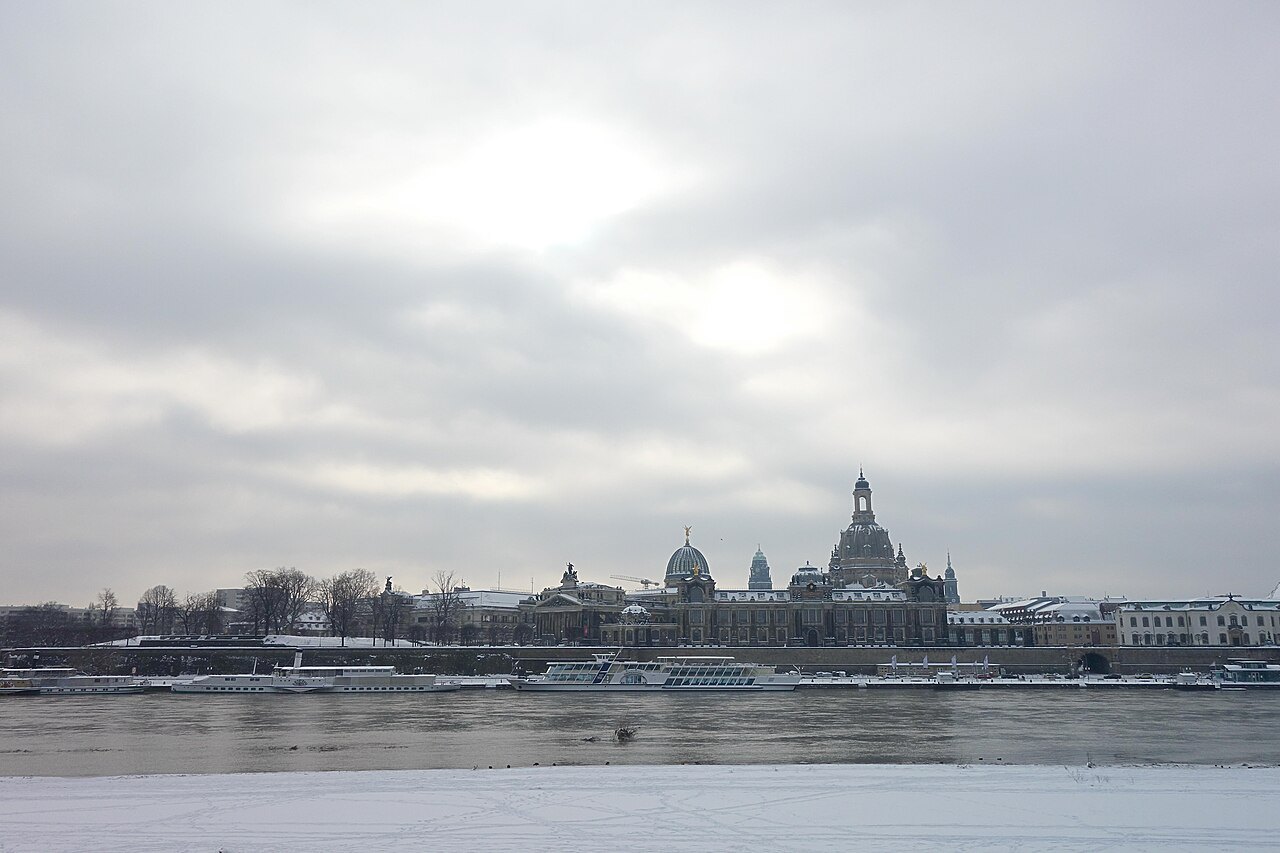
Because Friedrich's landscapes grew out of real walks along the river and into the hills, it is possible to retrace something of his perspective without any special effort. The Brühlsche Terrasse, the raised promenade above the Elbe, gives a wide view over the river toward the far bank that has drawn painters for centuries — read about why this stretch earned the nickname "the balcony of Europe" and where exactly to stand for the best view. A little further along the embankment, the viewpoint associated with Canaletto's eighteenth-century cityscapes offers a complementary way of looking at Dresden's skyline across the water; our guide to finding the Canaletto view covers the exact spot and what has changed since his time.
Friedrich was working a generation after Canaletto, and his interests were different — less concerned with recording a skyline accurately, more concerned with mood and scale — but both painters used the same river and the same light. Standing on the terrace at dusk, with the water catching the last color in the sky, gives a reasonable sense of what repeatedly drew him back to this stretch of the Elbe.
Planning the visit
The Albertinum sits within easy walking distance of the Frauenkirche and the rest of the historic center, so a visit to see Friedrich's paintings fits naturally into a wider walk through the rebuilt old town. If you are arriving from elsewhere in the city, see getting around for public transport options, and check getting here if you are coming in from outside Dresden.
Like several of Dresden's major collections, the Galerie Neue Meister can be busy at peak times, and some visitors prefer to combine it with other sights in a single planned day rather than treating it as a stand-alone stop. For general advice on sequencing a day around the Albertinum, the Zwinger, and the palace complex, see itineraries, and for guidance on reserving tickets in advance where that is offered, see booking ahead. Opening arrangements and any timed access change from season to season, so confirm current details directly with the museum before building your schedule around it.
Friedrich died in Dresden in 1840, relatively overlooked by the fashions of his later years, and it was only decades afterward that his reputation grew into the one he holds now. Seeing his paintings in the city where he made them, a short walk from the river that inspired so many of them, is one of the more quietly rewarding things to do in Dresden — and one that asks for very little beyond a bit of unhurried attention.
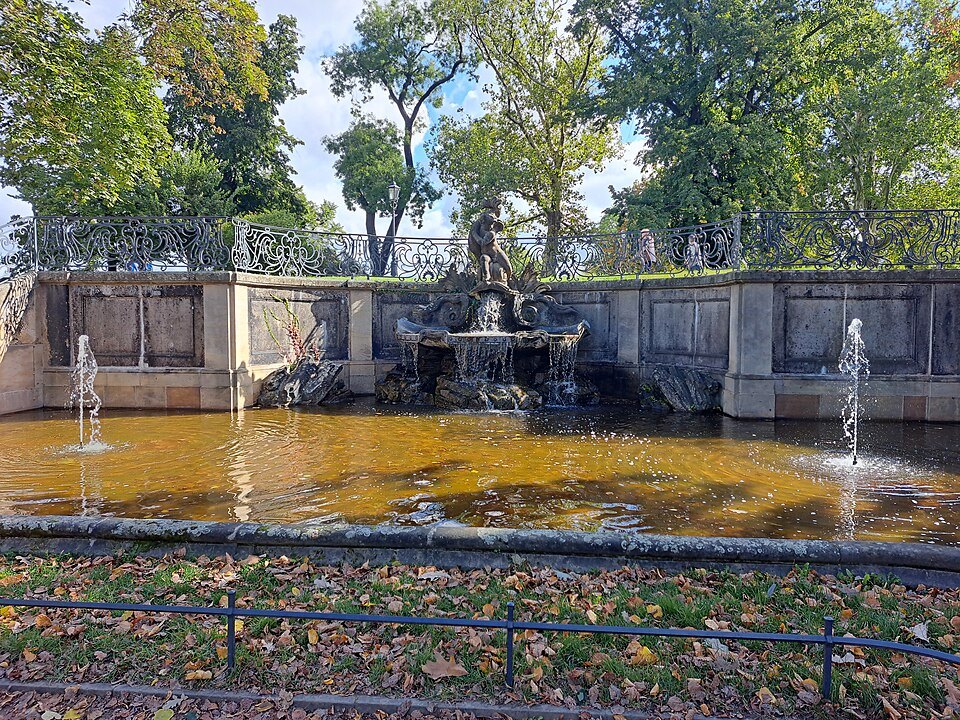 Why Brühl's Terrace is called the Balcony of Europe, and where to stand on it
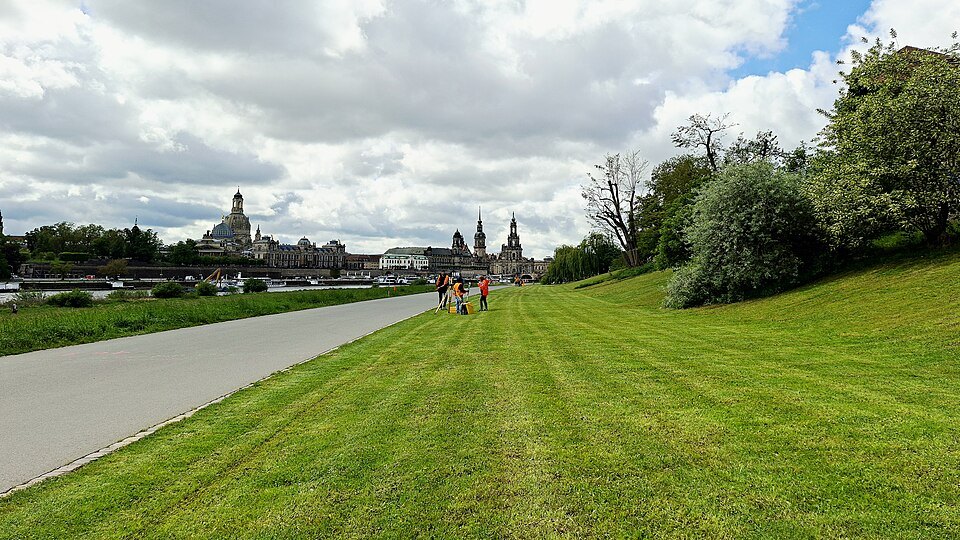 Where to stand for the Canaletto view of Dresden