Two bored-looking winged children leaning on an elbow, gazing up at nothing in particular, have become one of the most reproduced images in Western art. They appear on umbrellas, phone cases, wrapping paper and tea towels across Dresden, almost always cropped out of the painting they actually belong to. The painting is Raphael's Sistine Madonna, and it hangs in the Zwinger, in the Gemäldegalerie Alte Meister, Dresden's gallery of Old Masters. Finding the cherubs is easy once you know where to look. Understanding what you're actually looking at takes a bit longer.
A painting that became a postcard
Raphael painted the Sistine Madonna as an altarpiece, and it only came to Dresden later, bought for the Saxon electors' growing art collection. The composition shows the Madonna and Child flanked by saints, with a pair of curtains drawn back as if the scene were being revealed to the viewer. At the base of the canvas, almost as an afterthought by the artist, two small winged figures rest their arms on a ledge and look upward. They are a tiny fraction of a large, serious religious painting, and yet they are the part that has traveled the world on postcards and souvenirs, almost entirely detached from the mother and child above them.
Knowing this before you arrive changes how you look at the picture. Visitors who come hunting only for the cherubs sometimes walk straight past the painting itself, scanning the bottom edge, and miss the composition they belong to. Stand back from the canvas first and take in the whole thing before you zero in on the two putti at the foot — the painting makes a different kind of sense that way.
Finding the gallery inside the Zwinger
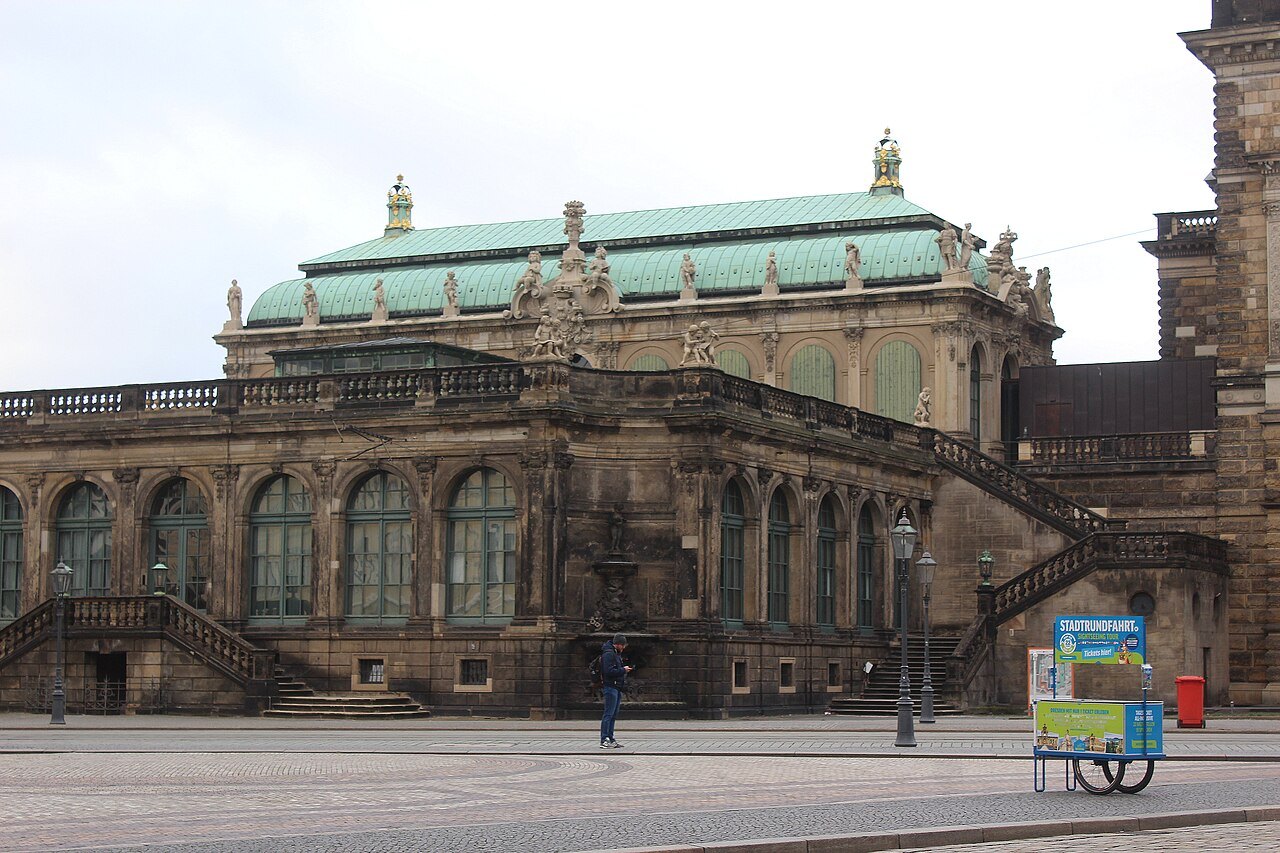
The Gemäldegalerie Alte Meister occupies part of the Zwinger complex, in the wing added in the nineteenth century by Gottfried Semper, the same architect behind the opera house. The Zwinger itself is really a collection of courtyards, pavilions and galleries rather than a single building, so it's worth getting your bearings before you go in. If you've already spent time in the courtyard looking at the fountains, the Crown Gate and the Nymphs' Bath, you've seen the parts of the Zwinger that don't require a ticket — our separate piece on what to see in the Zwinger courtyard without buying a ticket covers that ground. The Old Masters gallery is different: it's a paid museum space inside the same complex, with its own entrance and its own layout of rooms.
Once inside, the galleries are arranged by period and school, and the Raphael is given a prominent place among the Italian paintings, usually in a room of its own or close to it, reflecting its status as the collection's best-known single work. Gallery staff and floor plans at the entrance will point you the right way if the signage isn't obvious, and it's worth asking rather than wandering — the building is large enough that a specific painting can take some finding on a first visit.
Note The gallery keeps its own entry arrangements separate from the rest of the Zwinger, and from the Residenzschloss and its Historic Green Vault nearby. Don't assume a ticket to one covers the others. If your visit also includes the Residenzschloss, check what each site requires before you plan your day, and see our notes on booking ahead for how far in advance that's sensible in Dresden's busier museums.
What else is in the room
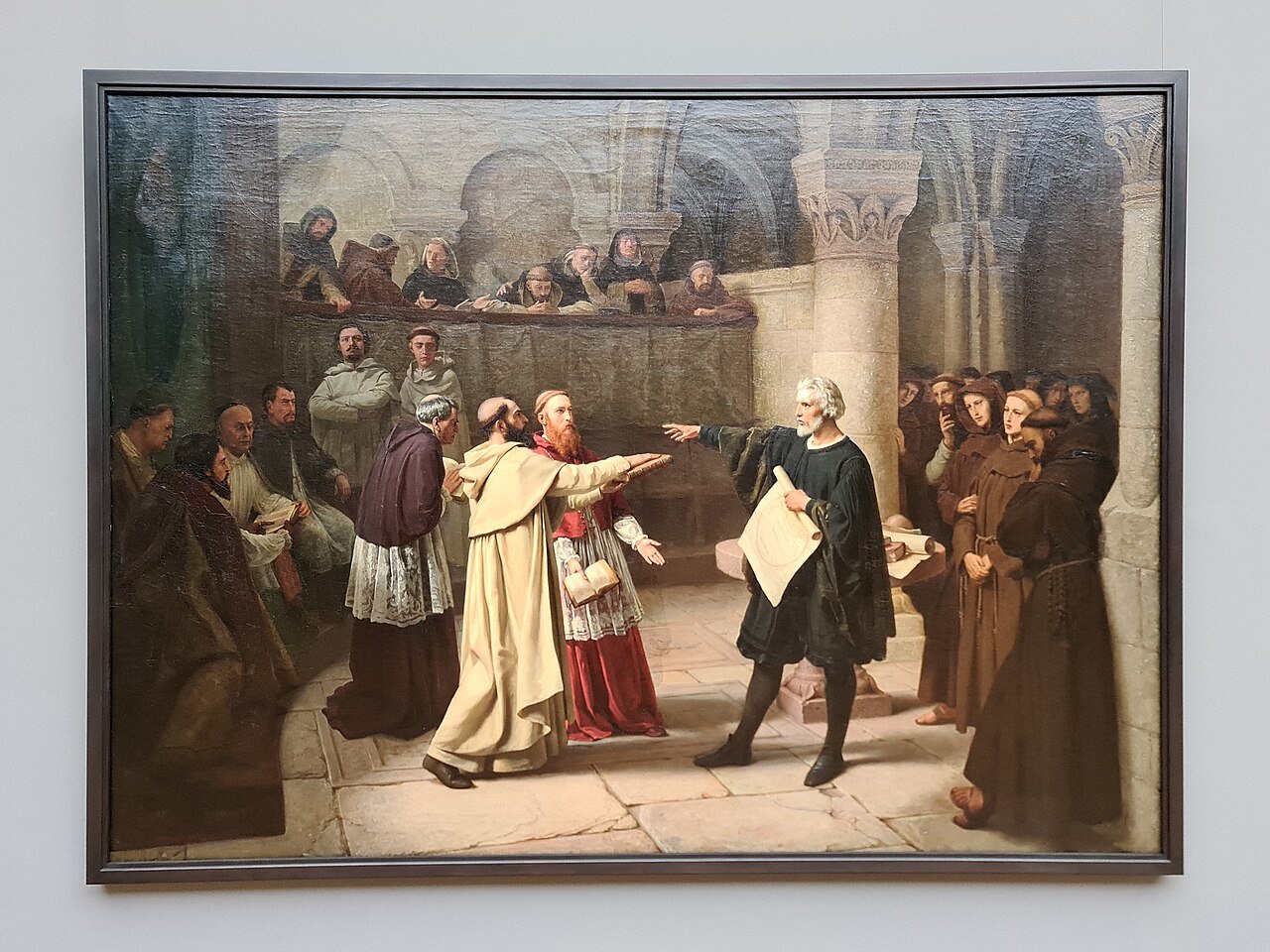
It's easy to treat the Sistine Madonna as a single stop and move on, but the gallery around it holds other paintings worth slowing down for, including works by Vermeer, Titian and Canaletto's detailed views of eighteenth-century Dresden, which are some of the best evidence we have for what the city looked like before its reconstruction. If you've read our piece on where to stand for the Canaletto view of Dresden, the paintings in this gallery are the originals that view is checked against — worth the comparison in person, and a reminder that the gallery isn't a one-painting museum.
The rooms themselves are generally well lit and not overly crowded away from the Raphael, so it's possible to get genuinely close to canvases elsewhere in the collection in a way that isn't always possible in front of the main attraction.
Dealing with the crowd around the cherubs
The room holding the Sistine Madonna draws a steady flow of visitors throughout the day, many of them making a direct line for the painting and then leaving once they've taken a photo of the bottom corner. That means the few feet of floor space in front of the canvas can feel busy even when the rest of the gallery is calm.
A little patience usually solves this. The crowd in front of the painting turns over quickly because most people only pause for a minute or two, so waiting a short while at the edge of the room often opens up space nearer the front. Photography rules in the gallery can vary and are enforced by gallery staff, so check signage in the room itself rather than assuming you can use a flash or a phone freely.
If the room is tightly packed, look at the painting from slightly to one side rather than joining the crush directly in front of it — you'll see the whole composition, including the curtains and the saints flanking the Madonna, which gets lost when everyone is focused on the cherubs alone.
Before or after the Zwinger
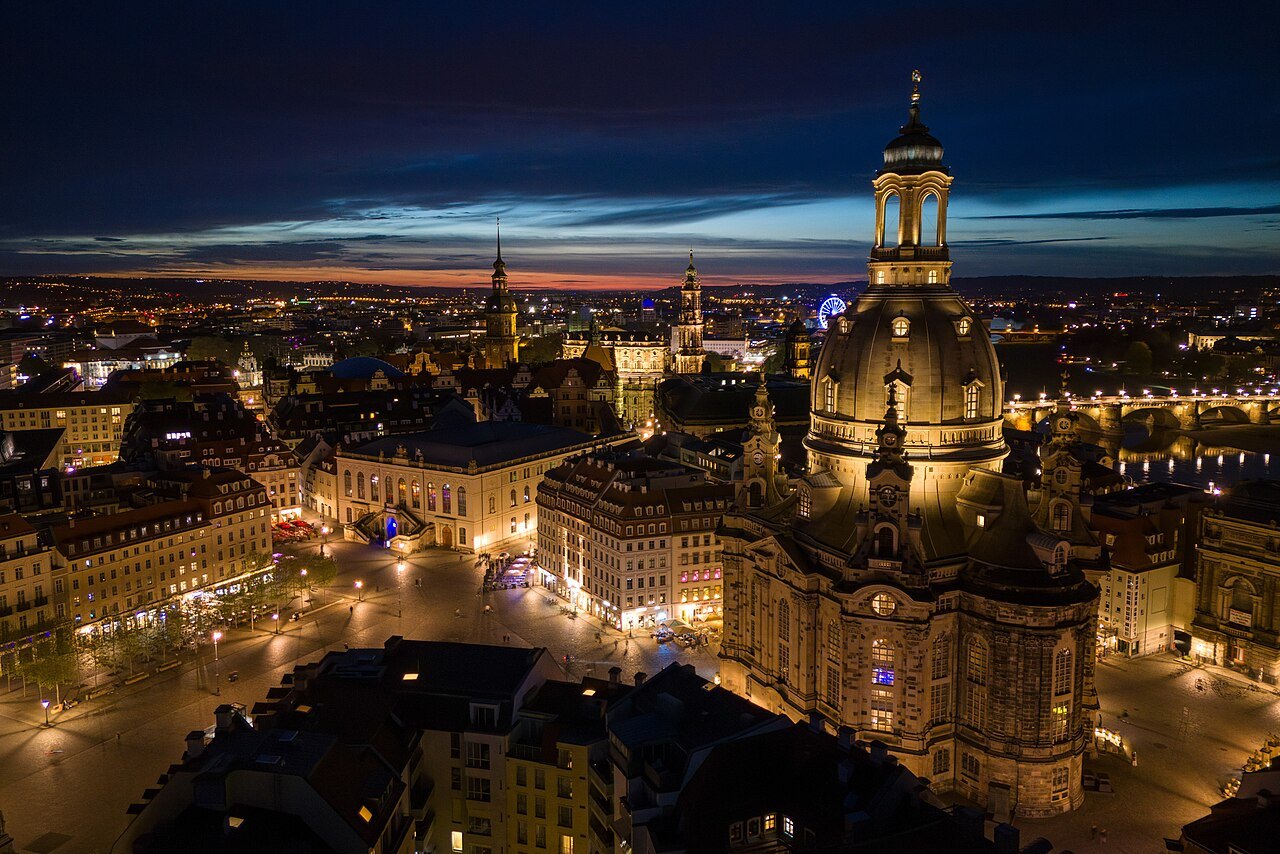
The Gemäldegalerie works well as the anchor of a Zwinger visit rather than an add-on, since the courtyard, the porcelain collection and the mathematics-physics salon in the same complex can easily fill a morning or afternoon on their own. If you're building a day around the Zwinger, our general guide to Dresden's sights and to planning an itinerary can help you decide what else fits around it, particularly if you're also weighing a stop at the Albertinum for later European art or the Frauenkirche nearby.
However you plan the rest of the day, give the gallery itself more time than you think you need. The Sistine Madonna rewards a slow look well beyond the two cherubs at its base, and the rooms around it hold enough to make the detour from the courtyard outside worth the ticket on its own.
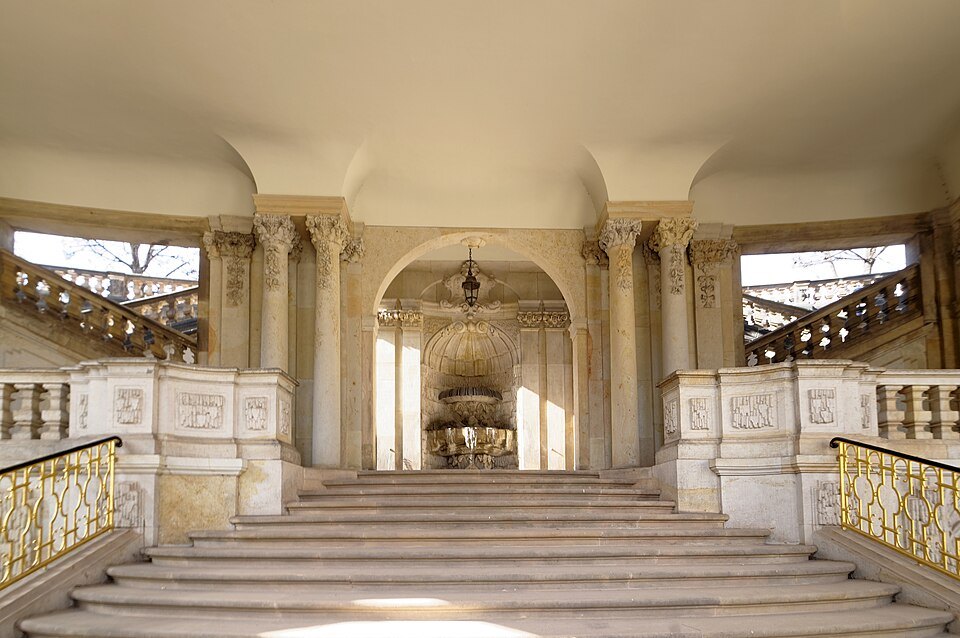 What to see in the Zwinger courtyard without buying a ticket
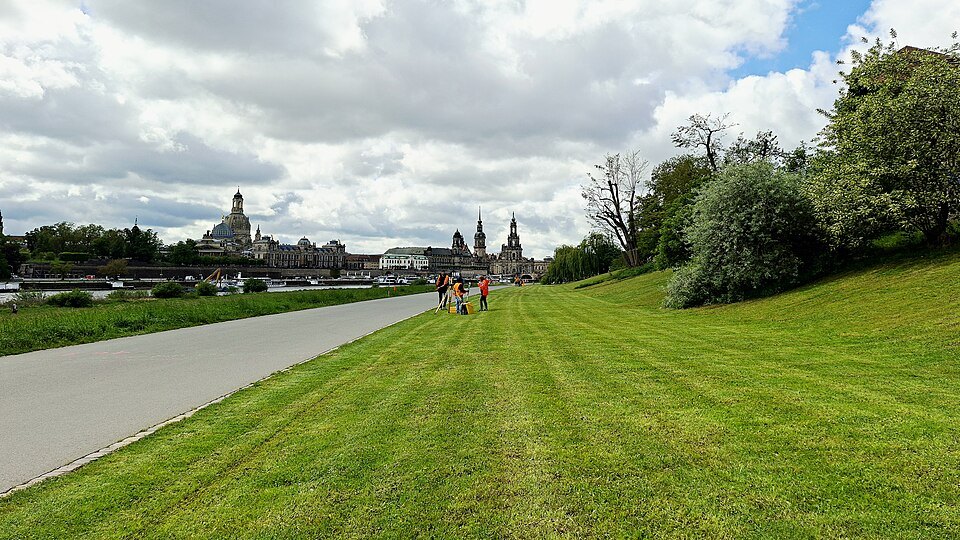 Where to stand for the Canaletto view of Dresden