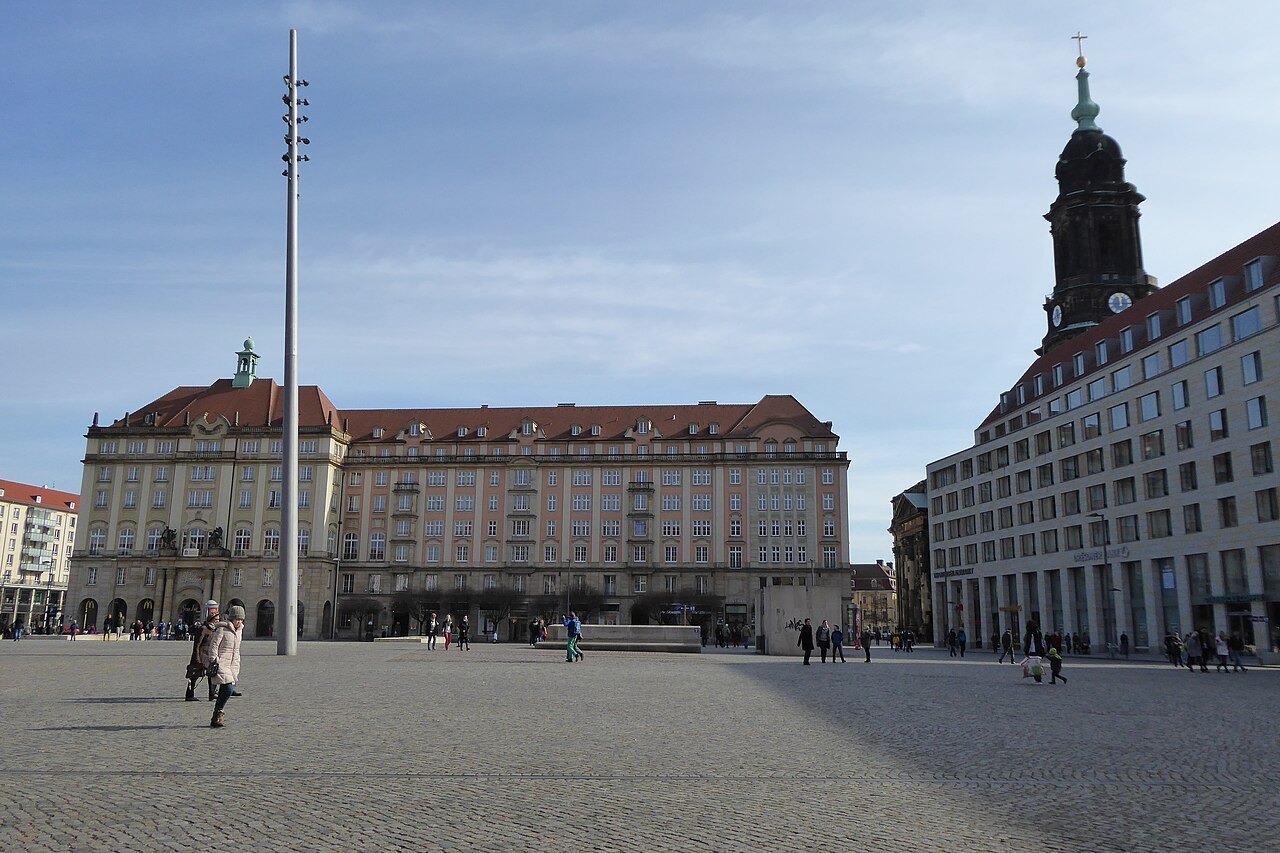
The Dresdner Kreuzchor is one of the oldest boys' choirs in Germany, and it still sings from the same building it has sung from for centuries: the Kreuzkirche, the plain Lutheran church standing just off the Altmarkt. For visitors with only a few days in the city, hearing the choir is one of the few experiences that connects you directly to Dresden's long musical tradition without needing a ticket to the opera or a special occasion to justify the visit. But it does take a little planning, because the choir does not perform continuously, and its appearances are not aimed at tourists passing through for a weekend.
What the Kreuzchor actually is
The choir is made up of boys and young men, many of whom live and train together as part of a long-standing choral school attached to the church. They sing a mix of sacred choral music, much of it tied to the rhythms of the church calendar rather than to any tourist season. This is not a concert series staged for visitors; it is a working church choir with centuries of institutional continuity, which is part of what makes hearing it feel different from attending a standard concert hall performance elsewhere in the city. The sound fills the Kreuzkirche's relatively unadorned interior in a way that rewards sitting still and listening rather than treating it as another sightseeing stop to tick off.
Because the choir's commitments are tied to the liturgical year and to the school that trains its singers, performances are not evenly spread across the calendar. Some weeks bring the choir to the Kreuzkirche more than once; other stretches, especially during school breaks, bring none at all. This is the single most important thing to understand before you plan any part of your trip around it, and it's worth absorbing before you get attached to the idea of hearing them on a particular evening.
Checking before you plan your days around it
Because this guide won't print specific dates or times that go stale within months of being written, the only reliable approach is to check the Kreuzchor's own schedule, published by the choir and the church, before you fix your itinerary. Do this early in your trip planning, ideally before you book accommodation nights, since a performance may fall on a day you'd otherwise spend on a day trip out to Meissen or Saxon Switzerland. There's nothing worse than discovering after the fact that the one evening the choir sang was also the evening you'd committed to a train back from somewhere else. If you're already working out which day goes where, our itineraries page can help you slot a Kreuzkirche visit alongside the Frauenkirche and the Altmarkt without doubling back across the Old Town later in the day.
If the choir is singing during your stay, treat it as the anchor for that day rather than an afterthought squeezed between sights. Arriving at the church only when you've seen everything else often means arriving after the best seats are gone, since locals and regular visitors both know the schedule and plan their own days around it too. Treat it the way you would a fixed reservation, not a casual drop-in.
Note Do not assume a performance is happening just because the church is open. The Kreuzkirche welcomes visitors to look around its interior during normal visiting hours, which is worthwhile in its own right for the austere, bombed-and-rebuilt atmosphere of the nave, but that open-door access is entirely separate from the choir's own performance schedule. A quiet, empty church on a weekday afternoon tells you nothing about whether the choir will appear that week.
What to expect inside
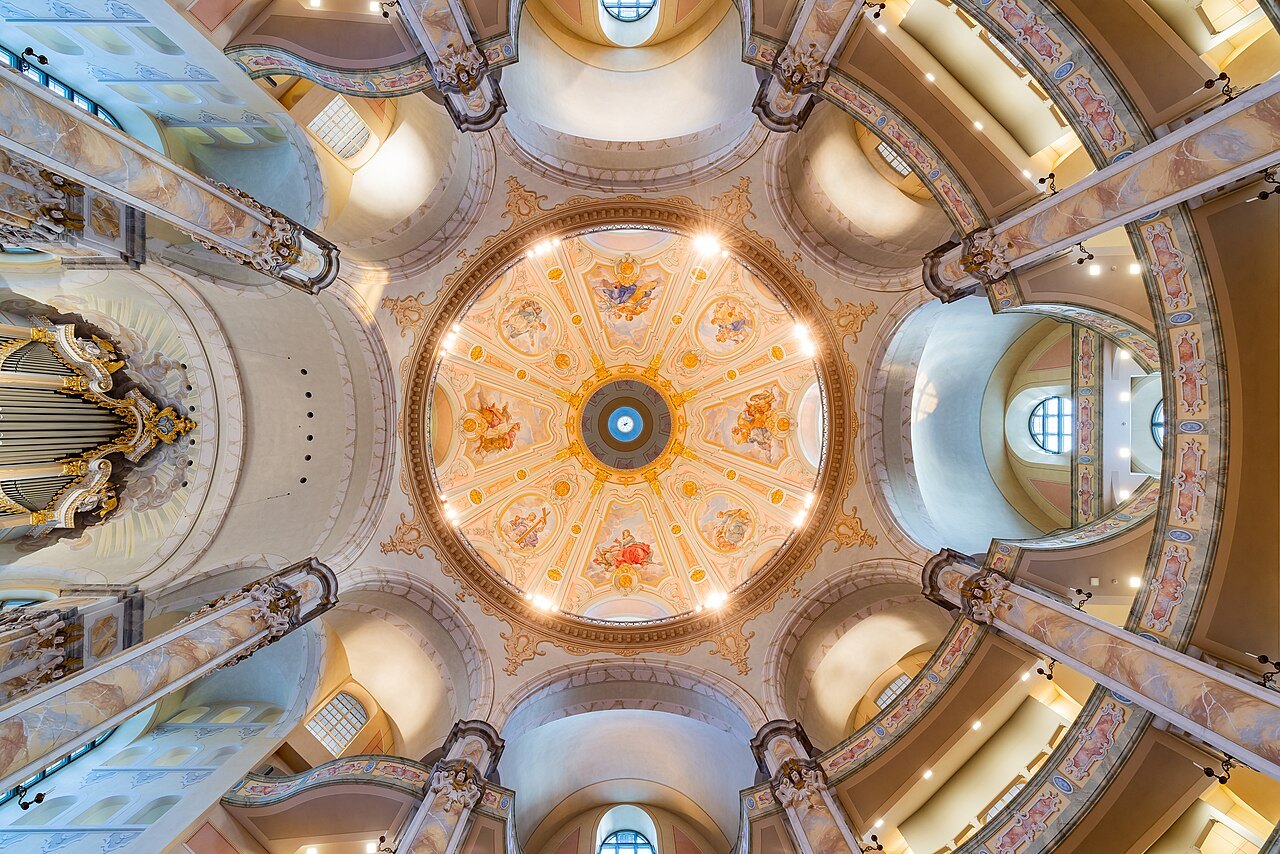
The Kreuzkirche is unlike the Frauenkirche across the square. Where the Frauenkirche was rebuilt with elaborate decoration restored piece by piece after reunification, the Kreuzkirche's interior was left deliberately plain after wartime destruction, a conscious decision that gives the space a stark, almost austere feel rather than a reconstructed splendor. That plainness works in the choir's favor both acoustically and emotionally: there's little to distract the eye from the sound itself, and the bare stone and exposed brick seem to hold the voices rather than compete with them. If you want to understand why Dresden's two major churches look so different from each other despite standing so close together, our piece on why Dresden's Catholic cathedral stands in a Protestant city explains the religious geography that shaped both buildings, and the companion piece on reading the dark and pale stones of the Frauenkirche is useful background if you're comparing the two churches' rebuilding stories while you're already standing in the Altmarkt area.
Seating during a performance is generally unreserved within the nave, so arriving with enough buffer time before the published start matters more than almost anything else you can do to improve the experience. The church fills from the front, and latecomers are often directed to side seating or standing areas with partial sightlines, though the sound still carries well throughout the building even from the back pews or the side aisles. Don't expect printed programs or much in the way of English-language introduction; the service or concert proceeds the way it always has, and part of the experience is simply letting it happen around you rather than being guided through it.
Fitting it around the rest of your visit
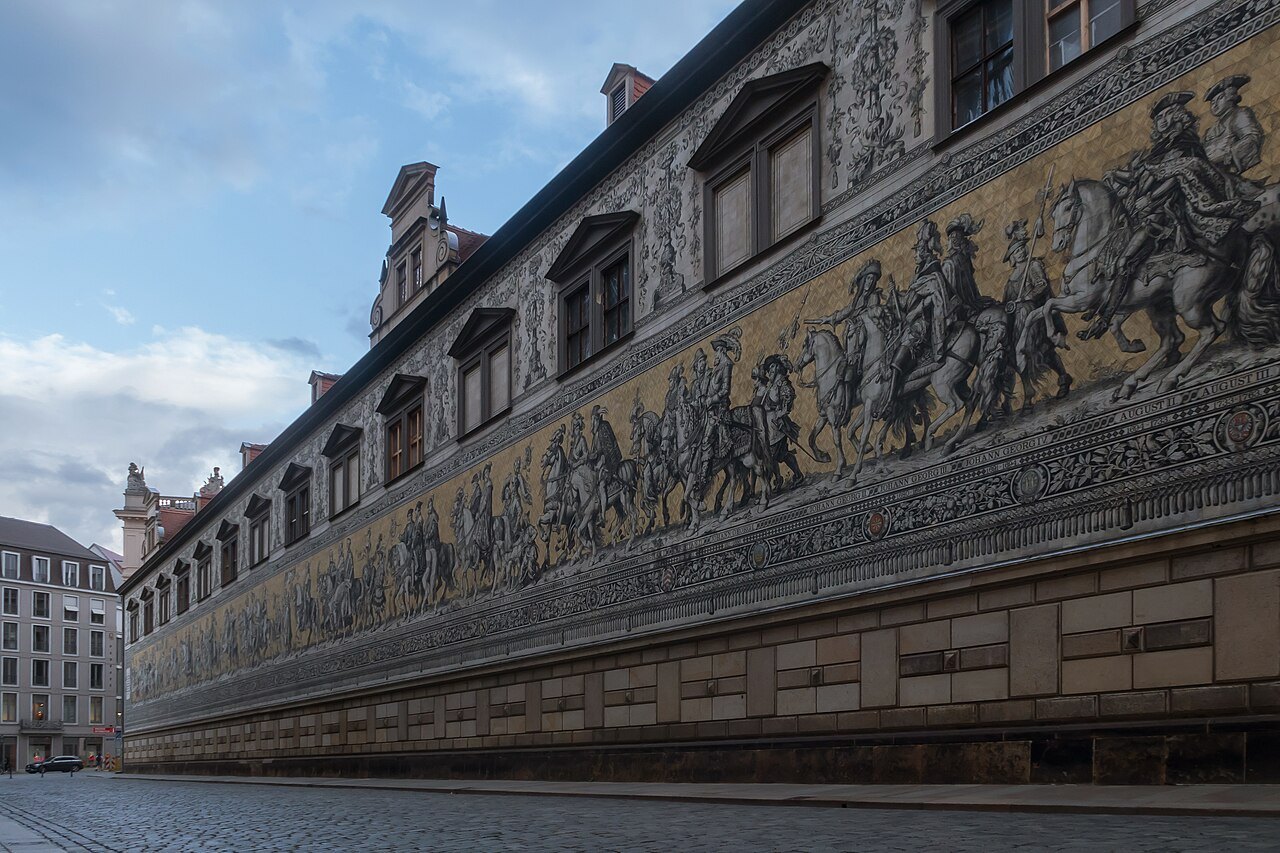
The Kreuzkirche sits close enough to other major sights that a performance can be the centerpiece of a half-day rather than a detour squeezed in at the edges. You can easily combine it with a walk past the Fürstenzug and a stop at the Zwinger courtyard, since all three sit within comfortable walking distance in the historic core and can be strung together in either order. If you're staying across the river in the Neustadt, check our getting around page for the tram routes that cross the Elbe quickly, since you don't want a transit delay to cost you your seat on the one evening it matters. Afterward, if the performance finishes with enough daylight or evening left in it, the evening in the Äussere Neustadt once the museums have shut is a natural, low-key way to close out the day without needing to plan anything further.
Dress for the fact that you'll likely be sitting on hard wooden pews for the full length of a performance; the Kreuzkirche does not pad its benches, and this surprises more visitors than it should, especially after a long day of walking the Old Town.
If your dates simply don't align with a performance, don't treat the Kreuzkirche as a wasted stop on your map. The building itself, with its combination of war damage, partial restoration, and deliberate plainness, tells its own story about Dresden's twentieth century, one that pairs well with a visit to the rebuilt city for broader context on how the whole historic core came back after 1945. A few quiet minutes inside, even without a note of music in the air, still connects you to a place where that choir has been singing for longer than almost anything else in the city has stood.
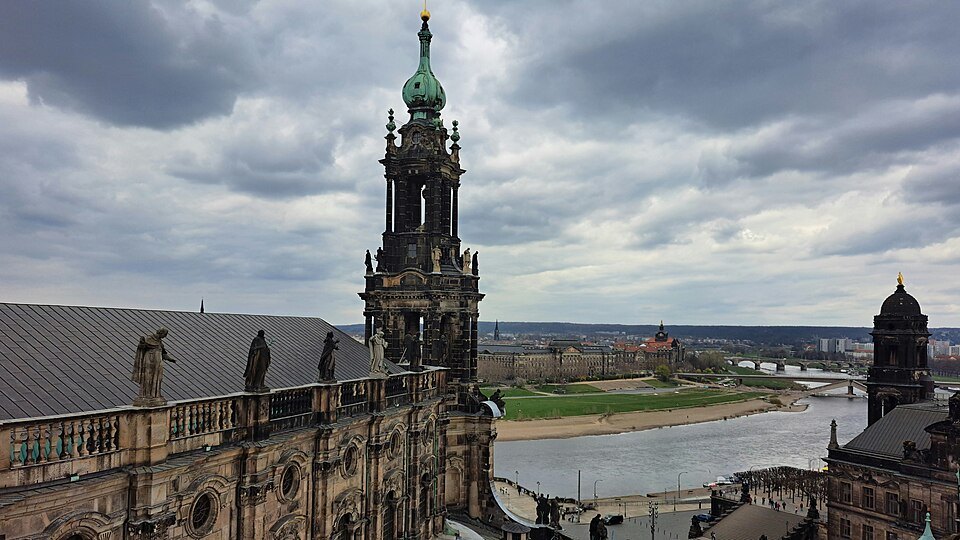 Why Dresden's Catholic cathedral stands in a Protestant city
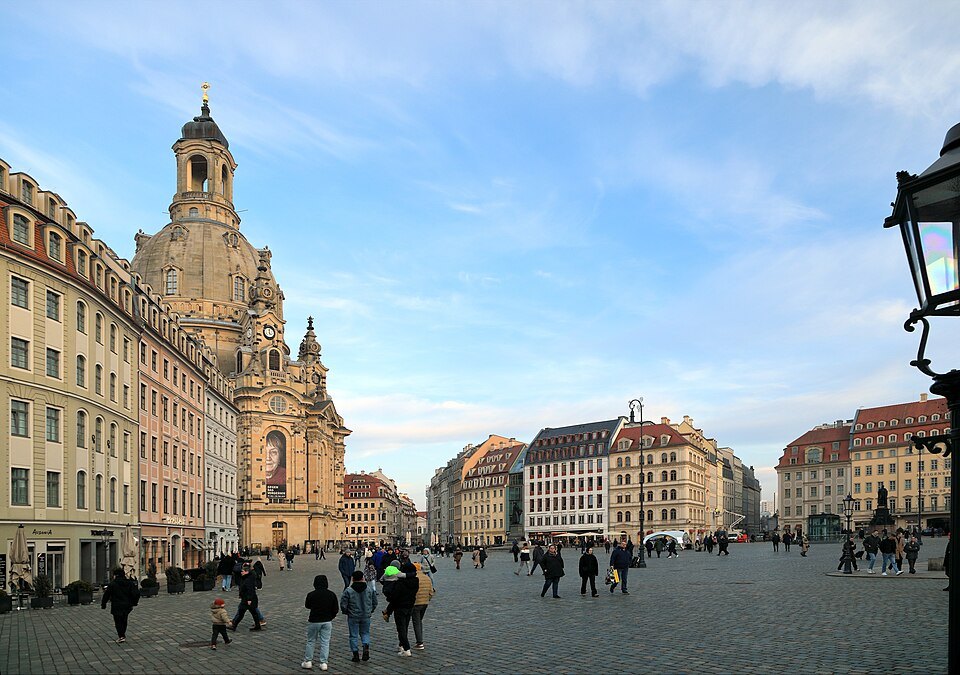 Reading the dark and pale stones of the Frauenkirche
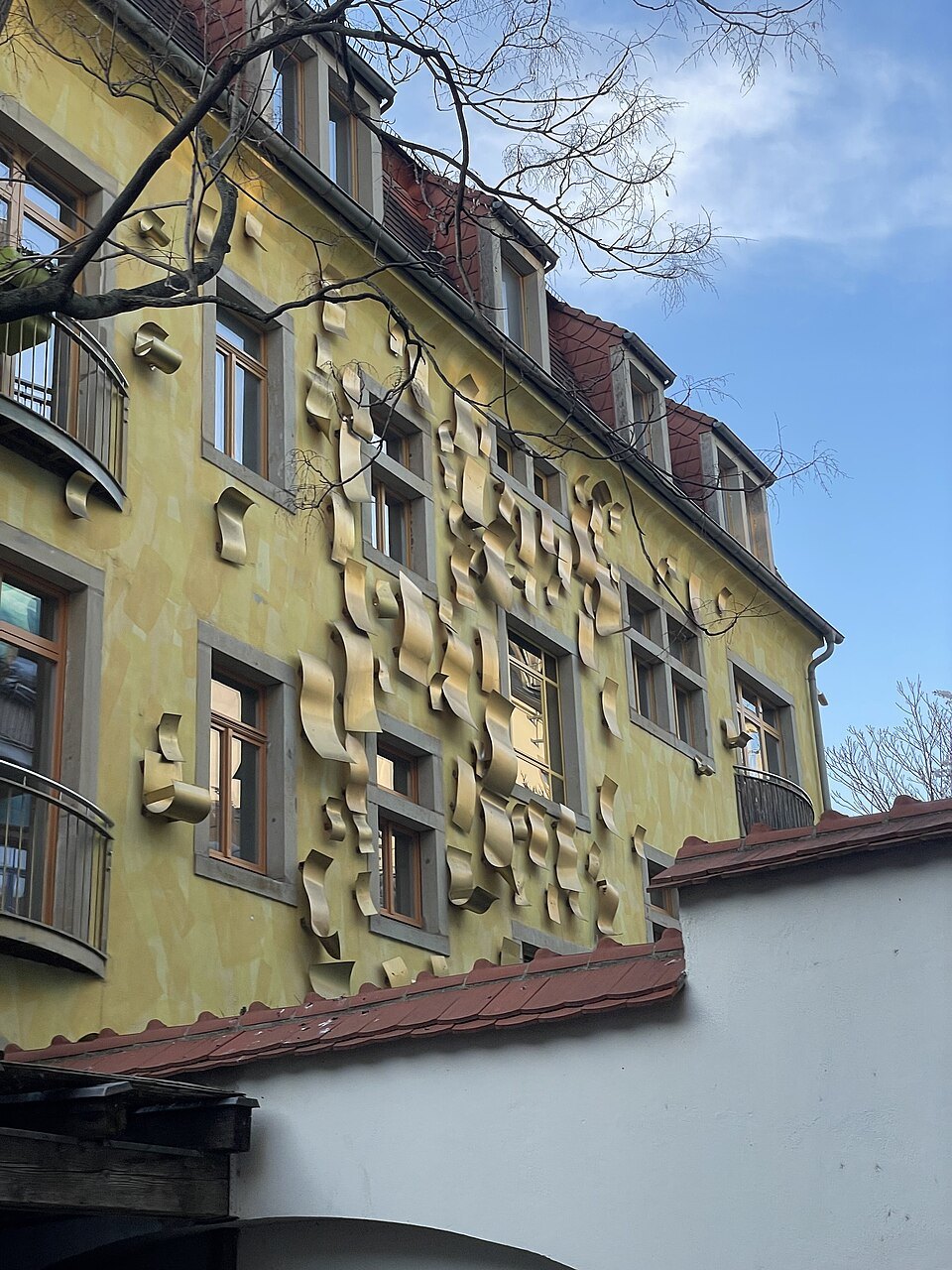 Spending an evening in the Äußere Neustadt when the museums have shut