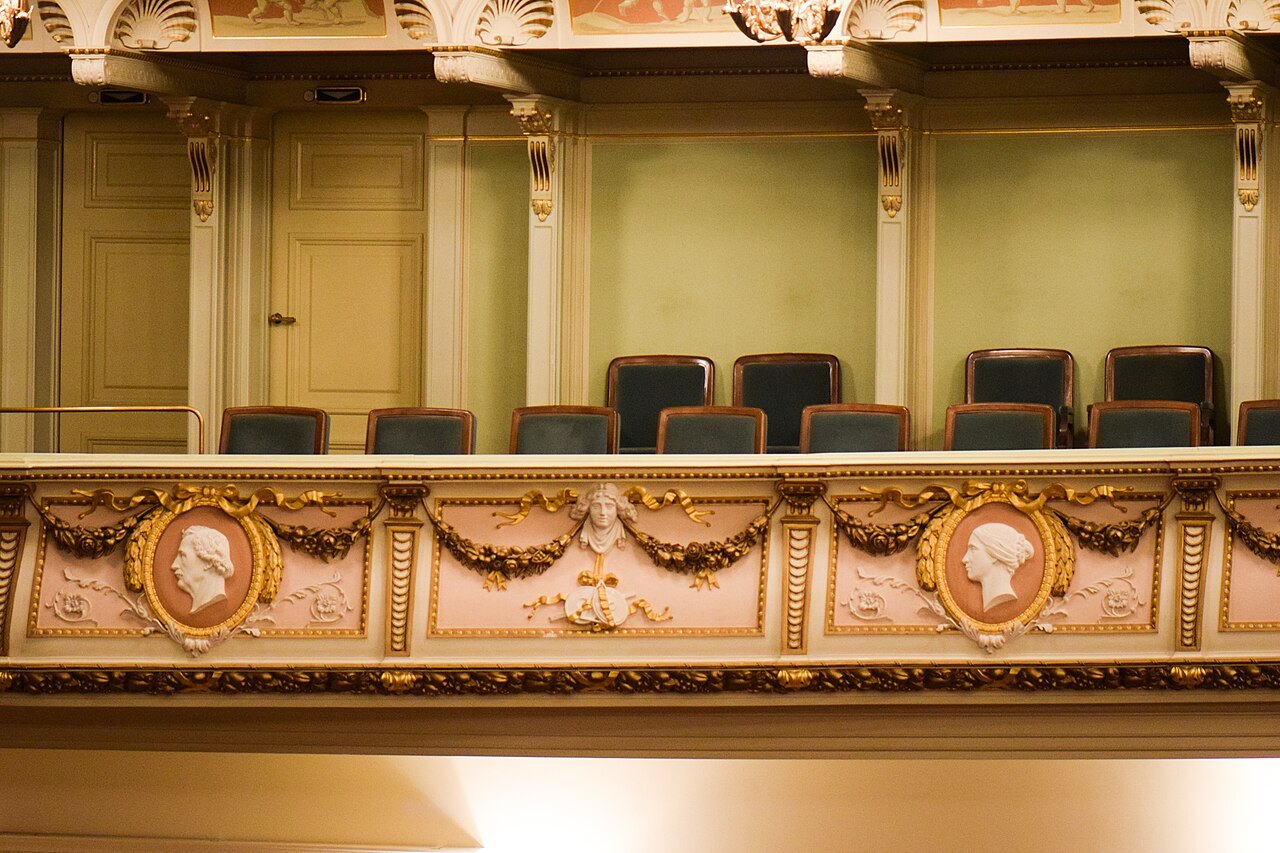
Most people who cross Theaterplatz look at the Semperoper from the outside, photograph the statues on the roofline, and move on toward the Zwinger or the Residenzschloss. But the building has a second life during the day, when the auditorium is empty and the stage is dark: guided tours let you walk through rooms that most evening visitors never see, because they are too busy finding their seats before the curtain goes up.
Why the building rewards a closer look
The Semperoper you see today is not the original. Gottfried Semper's first opera house burned down, was rebuilt by his son, was gutted again in the bombing of 1945, and stood as a shell for decades before being reconstructed and reopened in the 1980s. That makes it part of the same story told across the rebuilt city, where facades and interiors you see now are careful reconstructions, sometimes down to specific paint colors and plaster details recreated from old photographs and surviving fragments. A guided daytime visit is really a chance to read that history at close range: the foyer decoration, the auditorium's horseshoe shape, the painted ceiling, all of it rebuilt with the intention of matching what Dresden lost.
Unlike a performance, where your view is fixed from one seat, a tour moves you through the building: the grand staircase, the foyers where audiences would have mingled between acts, and usually the auditorium itself, seen from the house rather than from backstage. Guides typically point out the allegorical figures and painted panels that decorate the public rooms, and explain how much of the ornamentation is original fabric recovered after the war versus careful modern reconstruction.
What a guided tour actually involves
Tours run separately from performances and are booked through the opera house's own visitor services, not through the normal ticket office for shows. Group size, route, and language options vary, and because the building is a working theater, access depends entirely on the rehearsal and performance schedule on a given day — a tour can be rerouted or shortened at short notice if the stage or auditorium is in use. For that reason, always check current tour times and availability directly with the Semperoper rather than assuming a fixed daily pattern; see our booking ahead page for the general approach to reserving things in Dresden that depend on a live schedule.
If you want photographs of the auditorium without people in the frame, a tour taken early in the visiting day, before school groups and bus tours arrive, tends to give you a calmer room and a guide with more time for questions.
Note Tours do not include the stage machinery or backstage areas in all cases, and access can change for technical or safety reasons on any given day. Don't plan a tight schedule around seeing a specific room; treat the itinerary as approximate until your guide confirms it on site.
Combining a tour with the rest of Theaterplatz
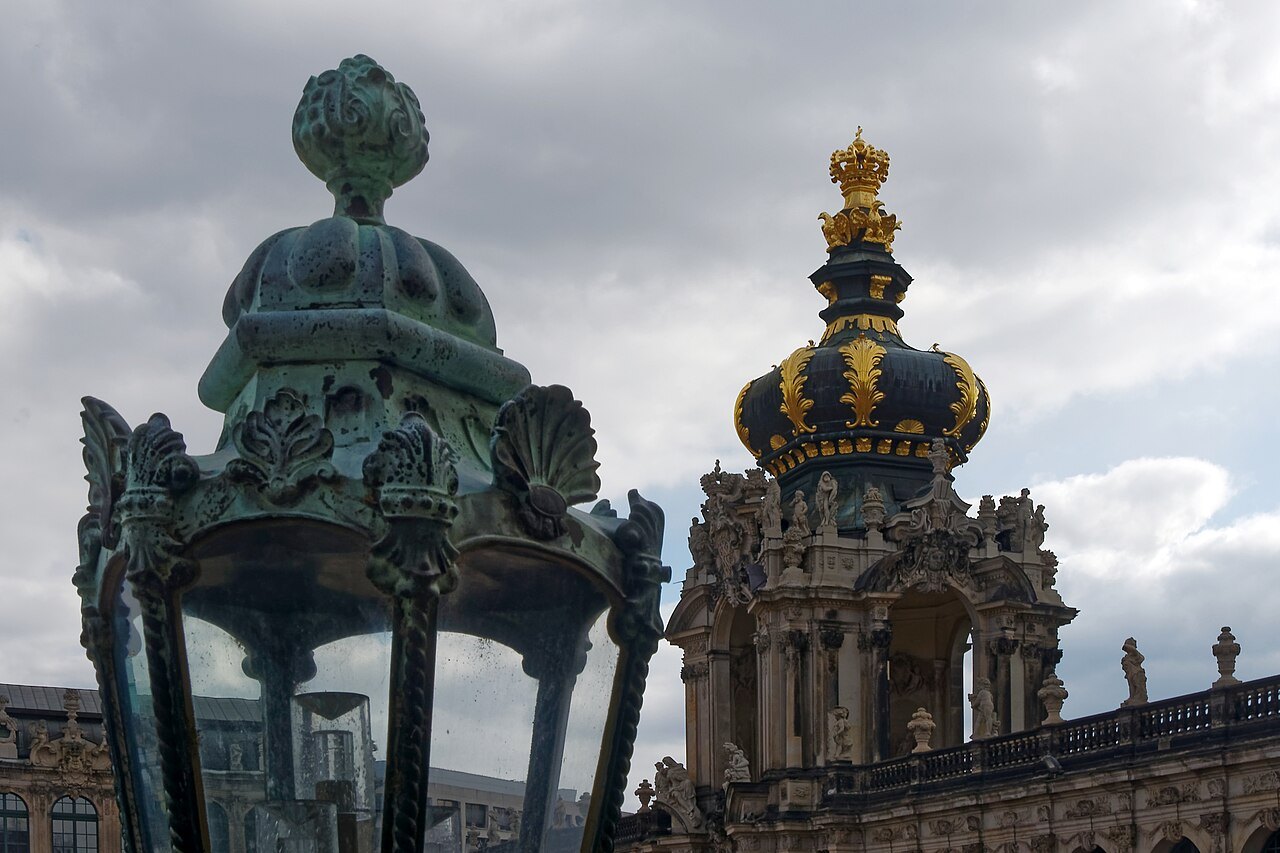
Because the Semperoper tour is short, it slots easily into a morning that also takes in the square around it. The Zwinger courtyard is a few steps away, and you can see a surprising amount of it without paying for any of the museums inside — our piece on what to see in the Zwinger courtyard without buying a ticket covers exactly that. The Hofkirche and the riverside promenade of the Brühlsche Terrasse are also within easy walking distance, so a Semperoper tour works well as one stop on a longer morning loop rather than a destination in itself.
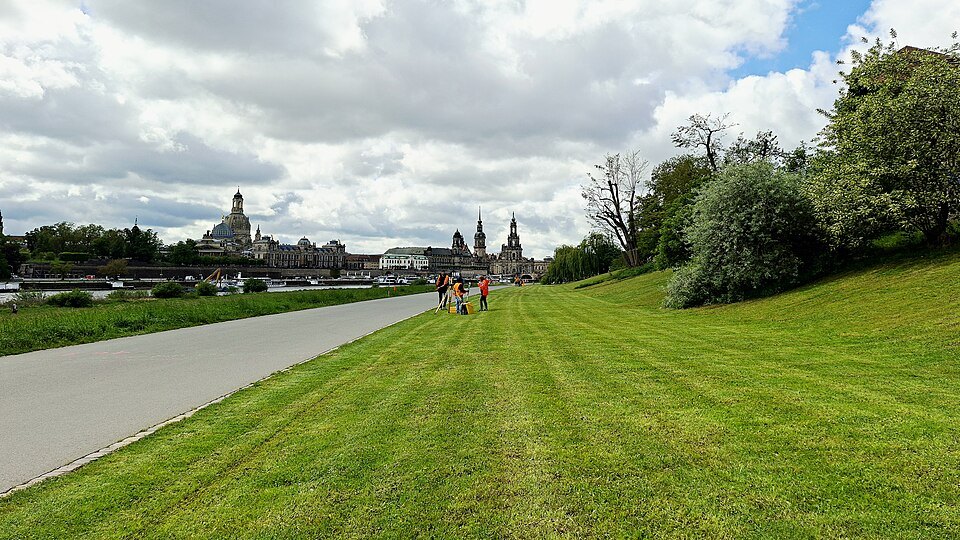
The opera house also appears, unmistakably, in the classic painted view of Dresden from across the river — if you want to see where that perspective comes from and stand in roughly the same spot, our article on where to stand for the Canaletto view of Dresden will point you to the right bank and the right angle.
If you'd rather see it with a performance
Seeing the Semperoper during a tour is a different experience from seeing it during a performance, and they're not really substitutes for each other. A tour gives you time to look slowly and ask questions; a performance gives you the building doing what it was rebuilt to do, with the acoustics, lighting, and atmosphere that a quiet daytime walk-through can't replicate. If your schedule allows for both, there's no real conflict — book a daytime tour for the history and architecture, and separately look at the evening program if an opera, ballet, or concert appeals to you. Both routes are handled through the Semperoper's own box office and visitor services, and both are worth checking well in advance if you have specific dates in mind, since availability for the building's limited daily tour slots can fill up the same way performance tickets do.
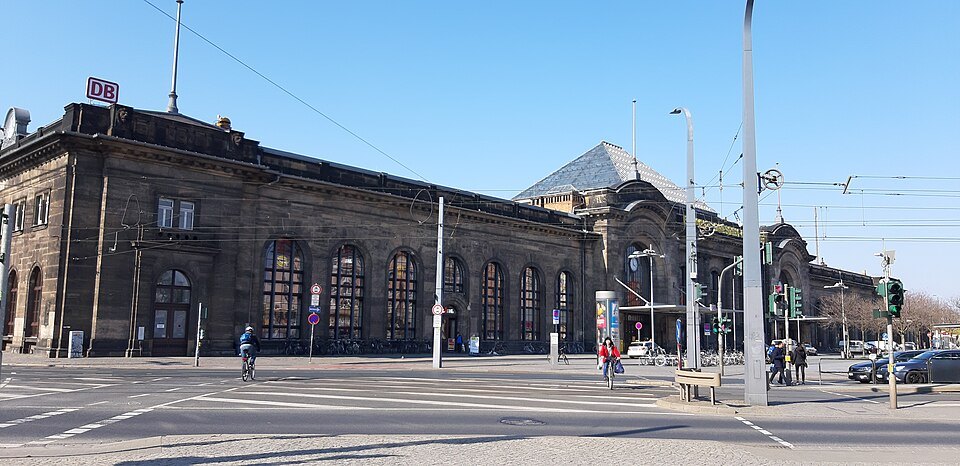
For practical questions about reaching Theaterplatz with luggage, timing your arrival around a tour, or where to go first if you're coming straight from the train, see our overview on which Dresden station to get off at and what to do with your bags, and our general getting around page for how to cross the city center on foot or by tram once you arrive.

A note on expectations
Visitors sometimes arrive expecting a museum-style self-guided wander, and are surprised to find the building is only seen on a scheduled, guided basis. That's deliberate: the Semperoper is a working theater first, and the tour exists around its real schedule rather than the other way around. Build in some flexibility, don't over-plan the hour before or after, and treat the visit as one highlight within a longer day around Dresden's sights rather than a fixed appointment you must rush to from across town.
 What to see in the Zwinger courtyard without buying a ticket
 Where to stand for the Canaletto view of Dresden
 Which Dresden station to get off at, and what to do with your bags