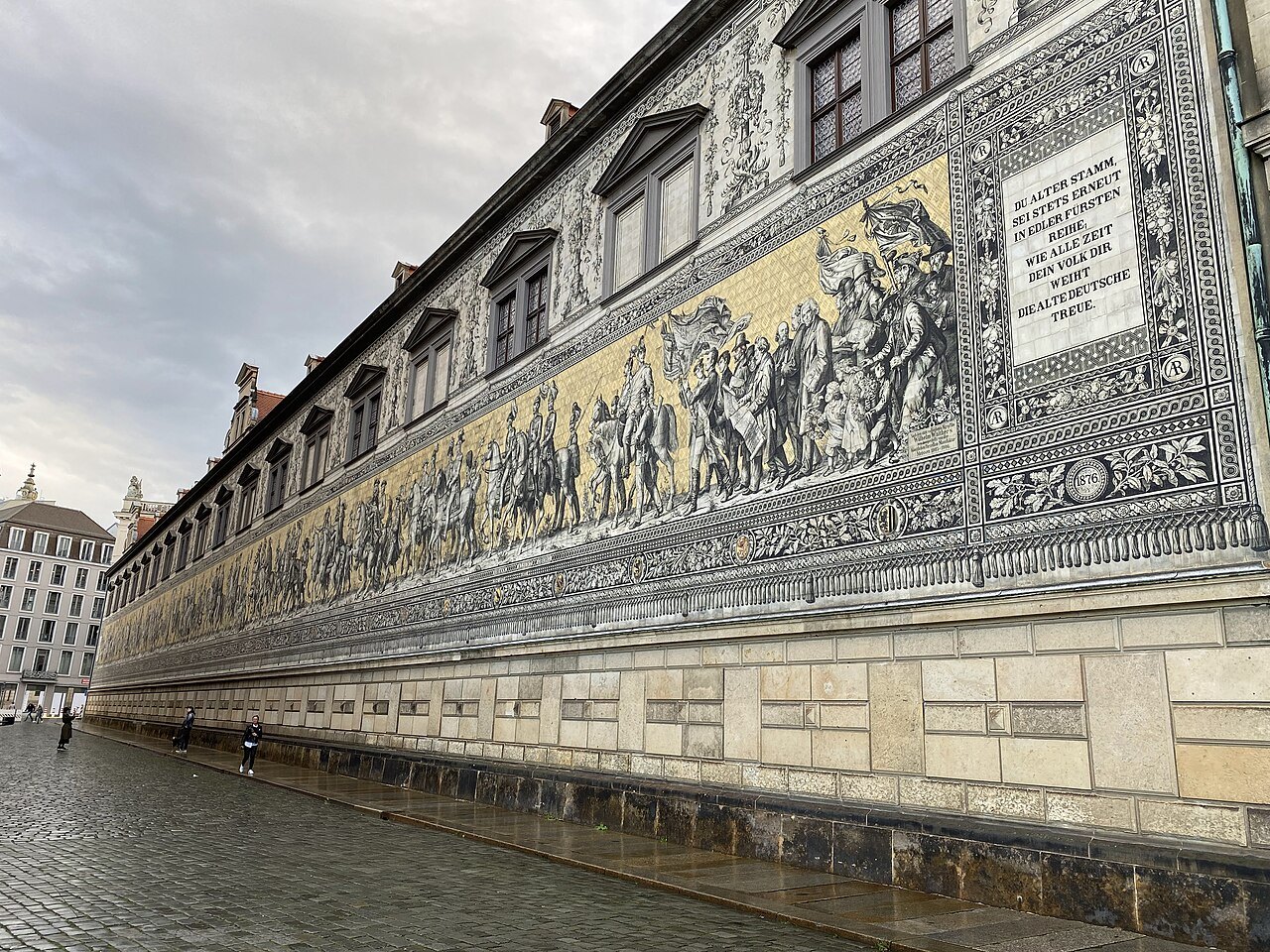
The Fürstenzug, or Procession of Princes, is one of the few Dresden sights you can see at any hour, from any angle, without a ticket or a line. It runs along the outer wall of the Stallhof, the old stable courtyard of the Residenzschloss, and stretches for roughly a hundred meters — long enough that most visitors walk past half of it before realizing what they are looking at.
What the Fürstenzug actually shows
The mural is a procession of Saxon rulers on horseback, beginning with medieval margraves and ending with the last king to reign before the monarchy ended. It was originally painted directly on the wall in the 1870s, but the technique could not survive Dresden's weather, so between 1904 and 1907 the whole design was remade in roughly 24,000 tiles of Meissen porcelain. That switch is the reason it still looks crisp today and the reason it came through the bombing of 1945 largely intact, while the building behind it did not. It is one of the clearest pieces of evidence in the city for how much of what visitors now call historic Dresden is in fact careful twentieth-century reconstruction — a theme worth following further in our piece on the rebuilt city.
Each figure is a real historical ruler, shown with his dates and, in most cases, his name tiled in beneath the horse. You do not need to know Saxon history to enjoy the procession as a piece of design, but knowing a little turns it from decoration into a timeline you can walk along.
Walking the length of it
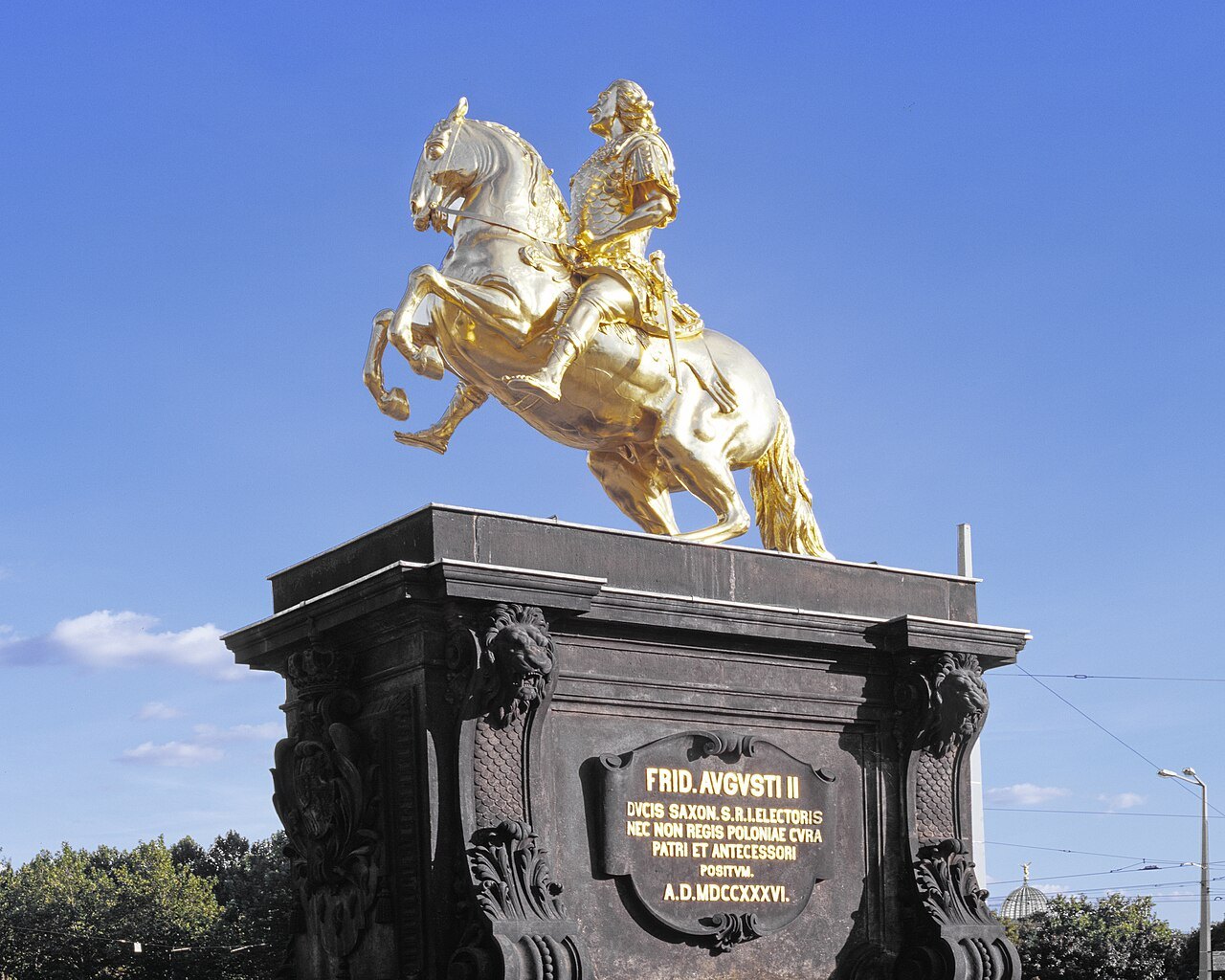
Most people encounter the Fürstenzug from Schlossplatz, near the Hofkirche, and that is as good a place as any to start. The mural runs along Augustusstraße, so if you are arriving from the direction of the Elbe or from the Goldener Reiter statue on the Neustadt side of the river crossings, you will meet it heading toward the Neumarkt and the Frauenkirche.
Walk the full length in one direction rather than doubling back, and read it as a timeline: the earliest rulers are at one end, the procession moves forward through the centuries, and it closes with a group of figures who are not royalty at all — a line of scientists, artisans, farmers, and children added at the tail end of the procession, a reminder that the mural was built, after all, to be looked at by ordinary Dresdeners as well as royal ones.
Go early in the day or later in the evening if you want to photograph the tiles without a crowd gathered in front of the best-known figures, particularly August the Strong partway along, who tends to draw the most attention and the most phone cameras.
Finding the details that matter
Up close, the tiles reward slow looking in a way that is easy to miss if you only glance at the mural from across the street. Look for the texture of the horses' manes, the individual stitching patterns on cloaks, and the way the artists varied each rider's posture so that a hundred meters of men on horseback never feels repetitive. The joins between tiles are nearly invisible from a normal viewing distance, which is itself a small marvel of craftsmanship worth pausing over.
Note The wall faces a road used by trams and bicycles, so stand back on the pavement rather than stepping into the street to line up a photograph — it is busier than it looks, especially during the day.
If you enjoy this kind of close reading of a surface, it pairs well with a similar habit at the Frauenkirche, where the stones themselves carry a visible history; see our piece on reading the dark and pale stones of the Frauenkirche for the same technique applied to a different building.
What to pair it with
Because the Fürstenzug sits right against the Residenzschloss and the Stallhof, it is easy to combine with other things in the same small area that cost nothing to look at. The Zwinger courtyard is a short walk away and has its own free-to-view details worth hunting down, covered in our piece on what to see in the Zwinger courtyard without buying a ticket. If you are building a slower first day in the city, the Fürstenzug also fits naturally into a route that takes in the Brühlsche Terrasse and the river, including the spot photographers use for the classic view across the Elbe, described in where to stand for the Canaletto view of Dresden.
The mural also works well as a hinge point in a longer walking plan, since it connects the Schlossplatz museum cluster to the Neumarkt and the Altstadt beyond. For a wider sense of how these pieces fit together across a day or two, see our general itineraries page, and for the surrounding district's character, the neighborhoods overview is useful before you decide how much time to give this stretch of the old town.
Practical notes
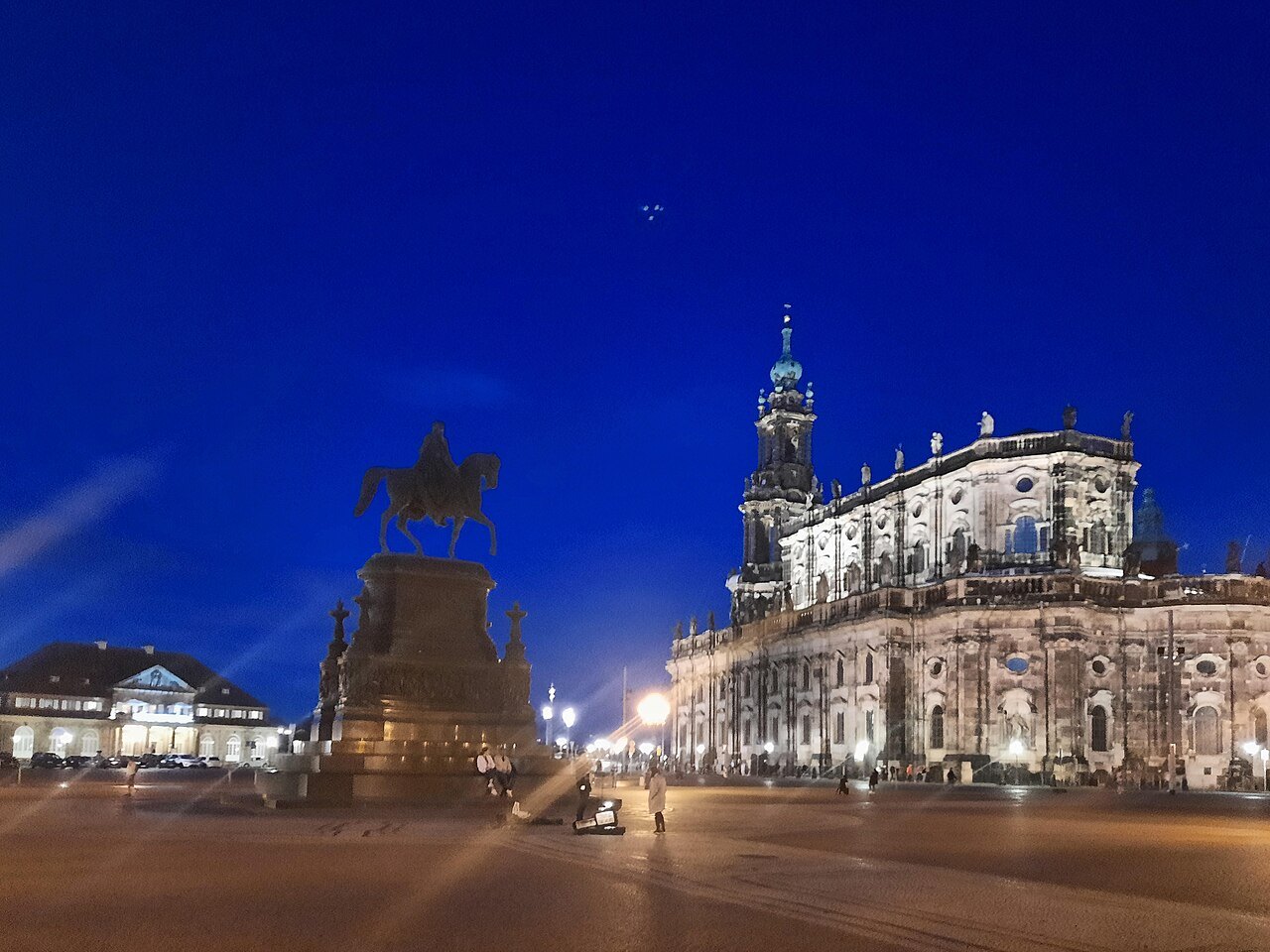
There is no entrance, no gate, and no controlled access to the Fürstenzug — it is a public wall on a public street, so you can see it whenever you are in the area, in any weather, at any point in your visit. That makes it a good fallback if a museum queue is longer than expected or if you simply have a spare stretch of time between booked slots elsewhere in the city; for how to plan around timed entries at other sights, see booking ahead. Getting to this part of the Altstadt on foot or by tram is covered on our getting around page, and if you are combining the mural with a first look at the city's major sights, the full sights overview puts it in context alongside the Residenzschloss, the Zwinger, and the churches nearby.
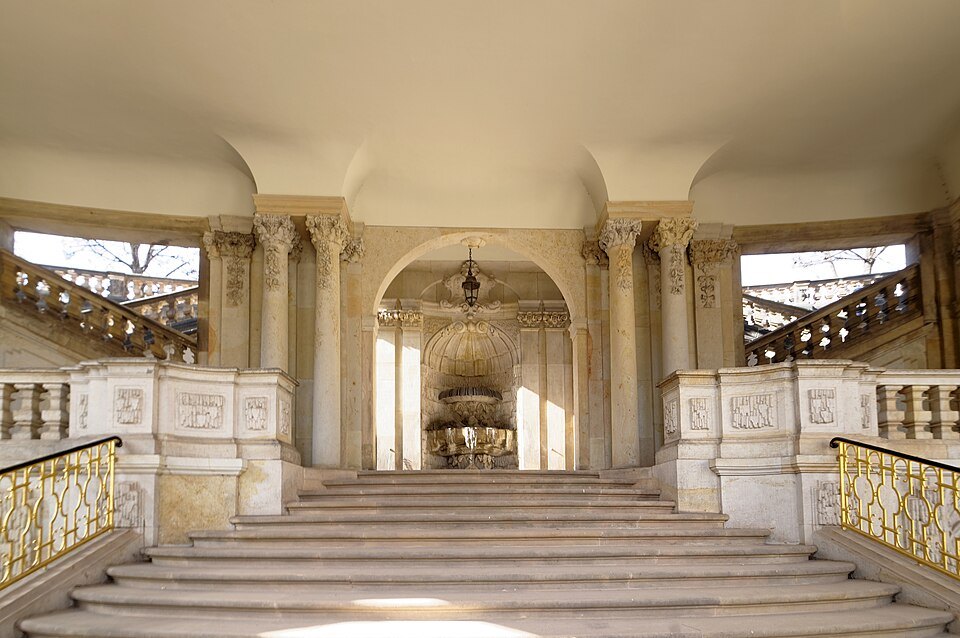 What to see in the Zwinger courtyard without buying a ticket
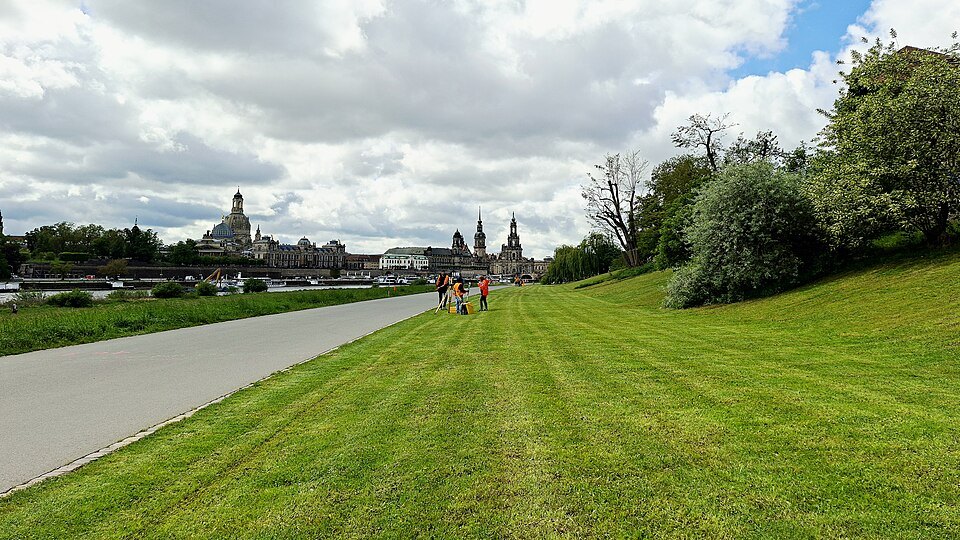 Where to stand for the Canaletto view of Dresden
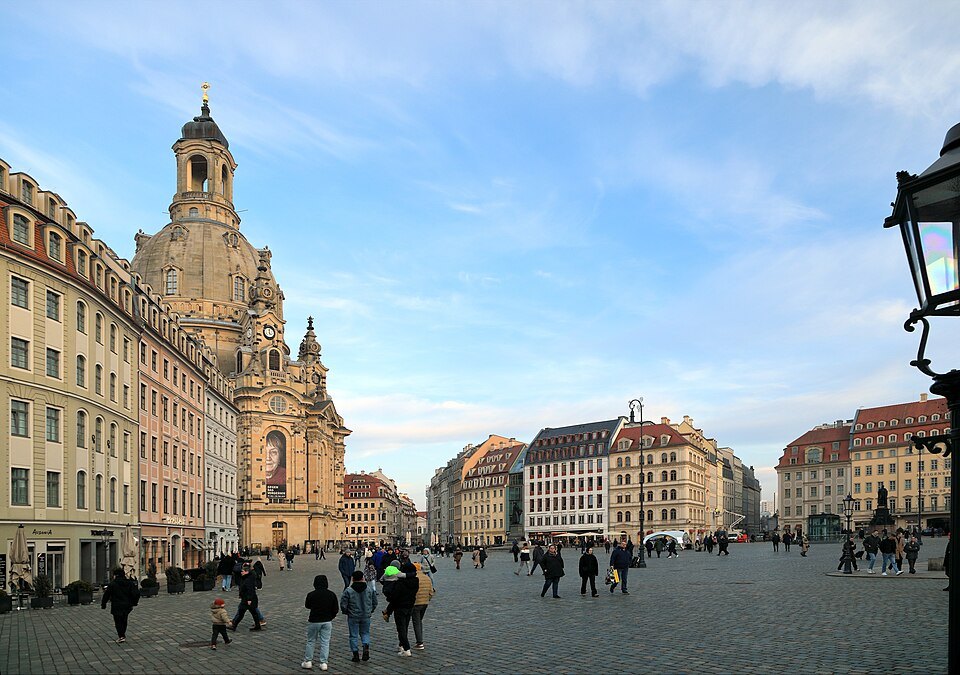 Reading the dark and pale stones of the Frauenkirche